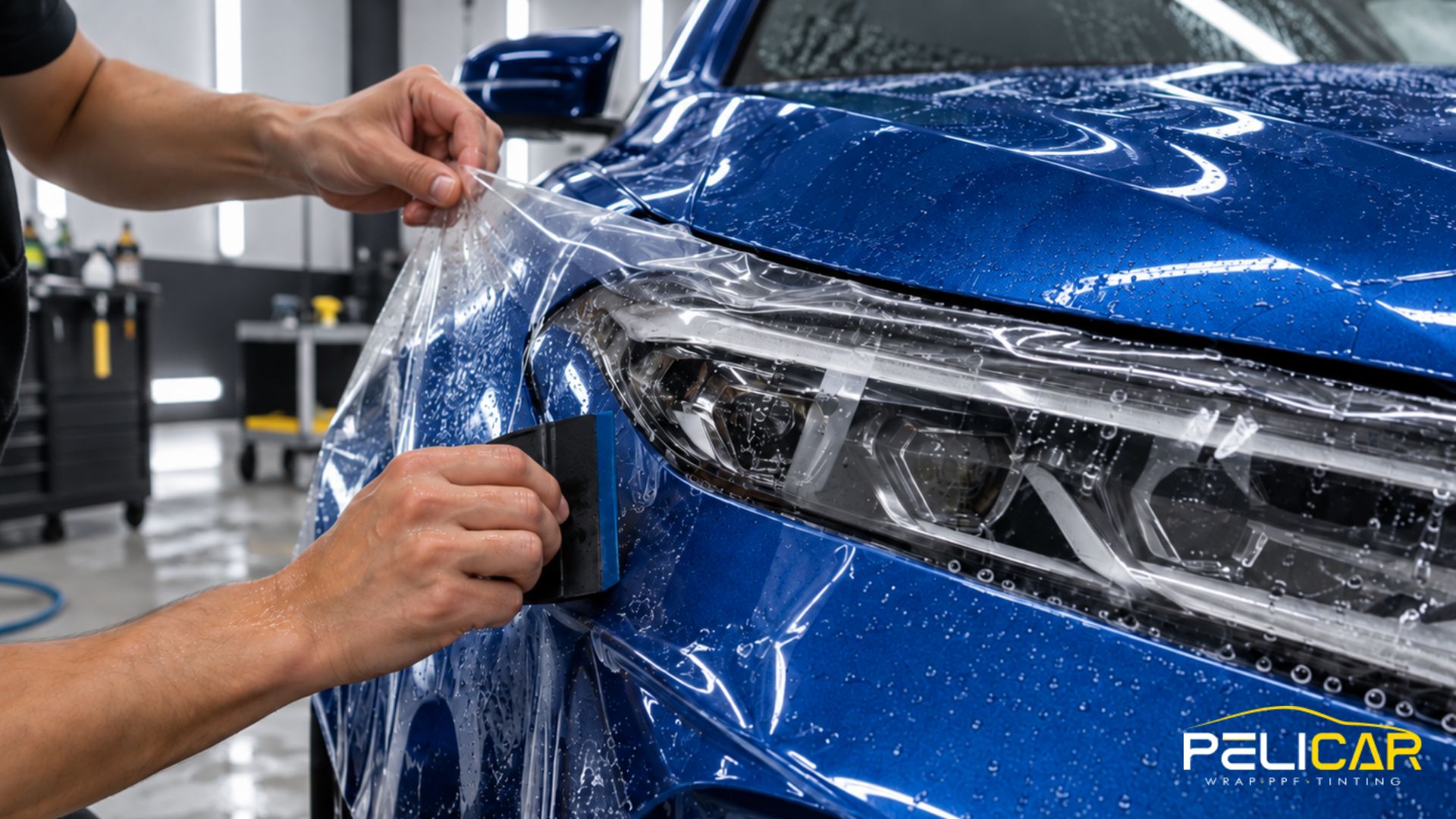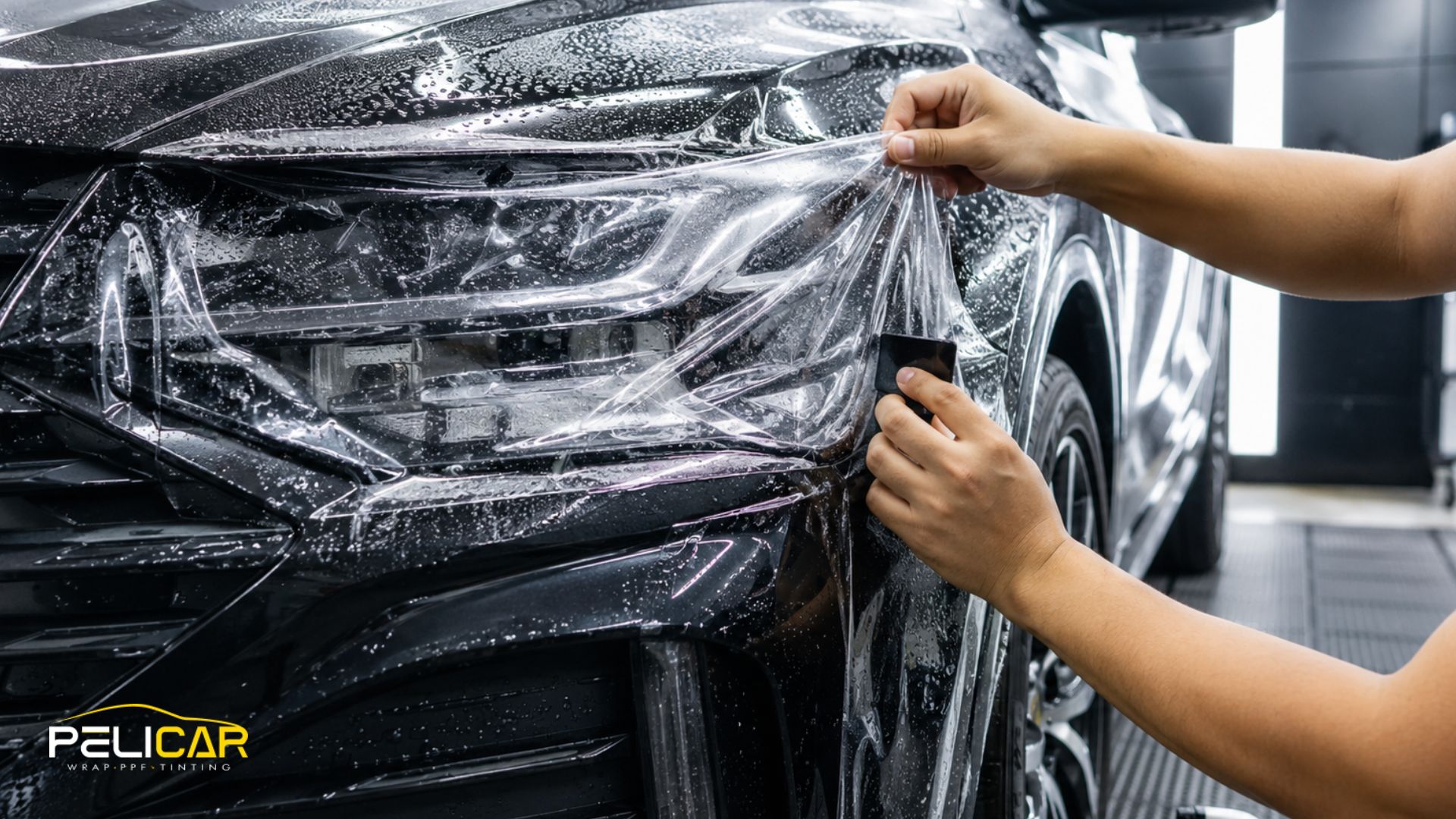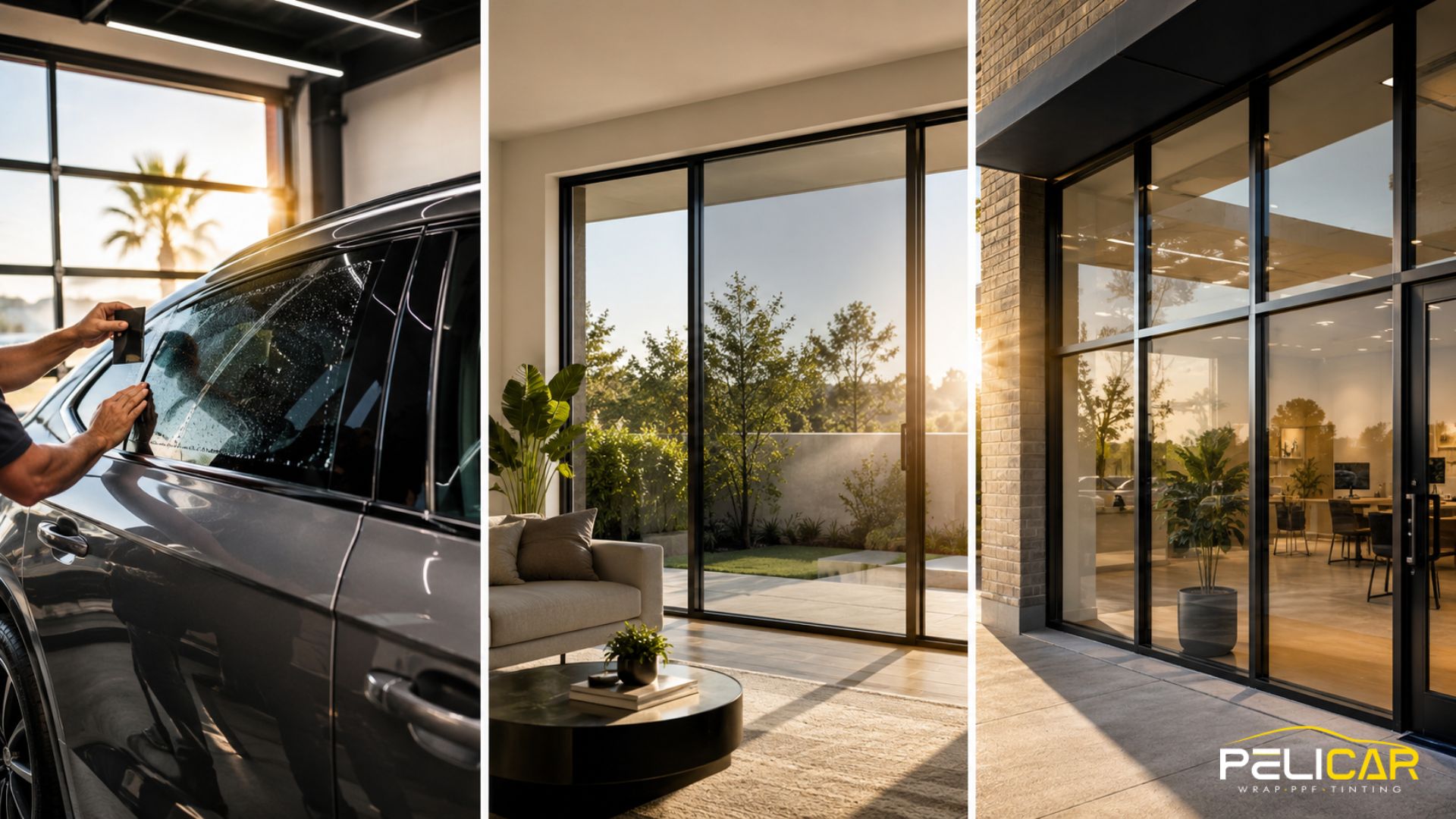
If you drive through Malden during winter, you already know it is not an easy season on cars. Between freezing mornings, sudden snowstorms, and roads treated heavily with salt, winter here puts real stress on your vehicle’s exterior. Add in narrow residential streets, tight parking, and constant stop-and-go traffic, and paint damage becomes less of a possibility and more of an expectation.
As a team that works on vehicles year-round, we see firsthand how winter conditions across Malden and the surrounding North Shore areas accelerate wear on unprotected paint. Snow piles along curbs, slush kicked up by passing cars, and abrasive road debris are all part of daily driving here.
From our own experience using Paint Protection Film on our personal vehicles, it stands out as one of the most practical winter protection solutions available. It is not about making a car look flashy. It is about adding a physical barrier that helps your paint survive real driving conditions, especially during a Massachusetts winter.
We approach this topic as installers, but also as drivers who deal with the same roads, the same weather, and the same challenges as our customers. The goal is not perfection. It is protection that makes sense for how people actually drive in Malden.
Why Freezing Temperatures Are Tough on Vehicle Paint in Malden
Cold weather changes how your vehicle’s paint behaves. When temperatures drop below freezing, paint surfaces become more rigid and less forgiving. That makes them more vulnerable to damage from impacts that might not be an issue during warmer months.
In Malden, winter conditions introduce several stressors at once:
- Road salt and sand used for traction
- De-icing chemicals that cling to lower panels
- Slush and ice thrown up at highway speeds
- Tight city streets where debris has nowhere to go
Daily routes like Route 60, Route 1A, and I-93 expose vehicles to constant spray from surrounding traffic. Salt particles and fine sand act like abrasives, slowly wearing down clear coat and leaving behind dullness, stains, and micro-damage that adds up over time.
This is where winter paint protection becomes less about appearance and more about preservation. Paint Protection Film works as a transparent shield that absorbs this abuse before it reaches the paint itself. Instead of the clear coat taking the hit, the film does.
From a vehicle surface protection standpoint, that distinction matters. Paint can only be corrected so many times. A protective film can take repeated winter damage and be replaced without affecting the factory finish underneath.
How Paint Protection Film Performs During Harsh Massachusetts Winters
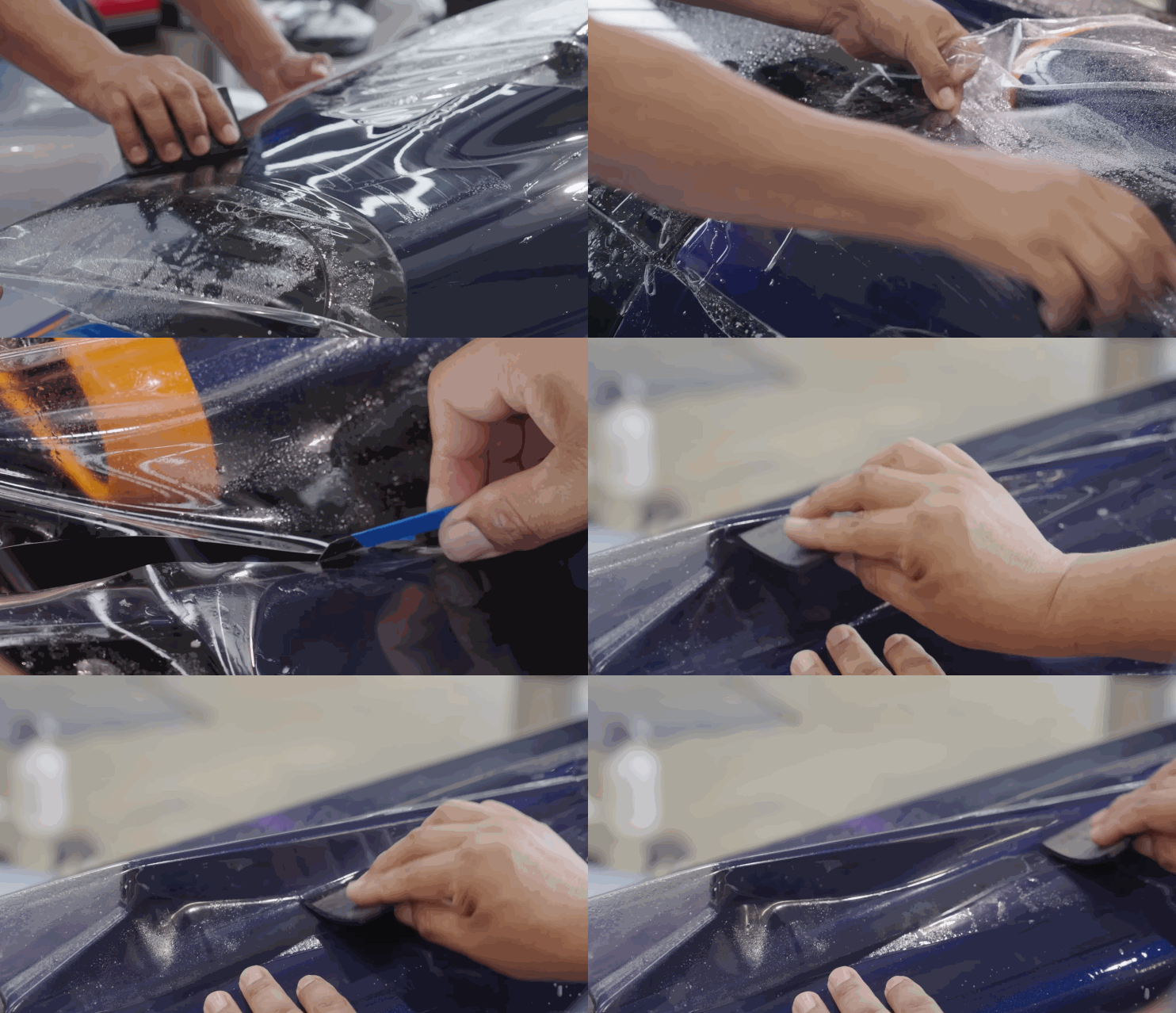
One of the most common questions we hear every winter is whether Paint Protection Film actually holds up in cold weather. The short answer is yes, when it is installed correctly and made from quality materials.
Modern Paint Protection Film is designed to remain flexible even in freezing temperatures. That flexibility allows the film to expand and contract as temperatures fluctuate, which is critical during Massachusetts winters where conditions can change dramatically within a single day.
Key performance characteristics we see during winter include:
- Strong adhesion that remains stable in cold weather
- Flexibility that prevents cracking when temperatures drop
- Durability against salt spray, sand, and road debris
There is a misconception that PPF will crack or peel once winter sets in. In reality, those issues are almost always tied to poor installation or low-quality film, not the cold itself.
It is also important to be realistic about what PPF can and cannot do. Paint Protection Film is excellent at absorbing impacts, resisting chemical staining, and protecting against abrasion. It is not designed to make a car invincible against severe collisions or deep structural damage.
That is why professional installation matters. At Pelicar Window Tinting, winter performance is something we account for from the start, because Malden winters demand it. Film choice, surface preparation, and edge work all influence how PPF behaves once freezing temperatures arrive.
Winter-Specific PPF Maintenance Considerations in Malden
PPF maintenance does not stop in winter, but it does change. Cold weather introduces different challenges compared to summer driving, and understanding those differences goes a long way toward extending film longevity.
Winter-specific factors we see most often include:
- Heavy snow buildup around wheel wells and lower panels
- Ice accumulation along edges and seams
- Salt residue sitting on the film for extended periods
During winter months, PPF care is less about aesthetics and more about reducing long-term exposure to harsh elements. Allowing salt and chemicals to sit on the surface for weeks can slowly degrade performance, even though the film itself is designed to handle chemical exposure.
From our own experience, winter maintenance is about consistency rather than intensity. You are not trying to baby the film. You are simply supporting it so it can keep doing its job.
When approached this way, PPF maintenance becomes part of responsible winter vehicle ownership in Malden, not an extra chore. The film works with you, not against you, as long as it is treated with realistic expectations and basic care suited to winter driving.
When approached this way, PPF maintenance becomes part of responsible winter vehicle ownership in Malden, not an extra chore. The film works with you, not against you, as long as it is treated with realistic expectations and basic care suited to winter driving.
Washing and Cleaning Paint Protection Film in Freezing Temperatures
Washing a vehicle during a Malden winter is never straightforward. Sub-freezing temperatures, frozen hoses, and limited warm days make regular cleaning more challenging than any other season. Still, winter driving makes cleaning more important, not less, especially when Paint Protection Film is doing the hard work of shielding your paint.
Around Malden, many drivers rely on touchless car washes during winter simply because they are practical. When temperatures stay low for days at a time, that option often becomes the safest way to remove salt buildup without risking damage from frozen equipment or aggressive brushes.
From a PPF maintenance perspective, the goal is not spotless results. It is salt removal. Road salt and de-icing chemicals are constant during winter, and allowing them to sit on the film for long periods can shorten its effective lifespan.
What matters most is consistency. Even occasional rinses during warmer breaks in the weather help support long-term film performance. At Pelicar Window Tinting, we see the difference between vehicles that get periodic winter cleaning and those that wait until spring. The film may still be intact, but its condition tells a very different story.
What matters most is consistency. Even occasional rinses during warmer breaks in the weather help support long-term film performance. At Pelicar Window Tinting, we see the difference between vehicles that get periodic winter cleaning and those that wait until spring. The film may still be intact, but its condition tells a very different story.
Ice, Snow, and Road Debris: What PPF Can Handle
Winter roads in Malden are unpredictable. Snow-packed streets, slush-covered intersections, and debris kicked up by passing traffic create constant impact risks. This is where Paint Protection Film proves its real value, especially during daily winter driving.
PPF acts as a sacrificial layer that absorbs impacts before they reach your paint. Snow chunks mixed with sand, ice fragments from wheel wells, and debris launched at highway speeds all hit the film first.
High-impact protection is especially noticeable in areas that take the most abuse:
- Front bumpers exposed to road spray
- Hood edges facing direct impact
- Side mirrors catching debris from passing vehicles
It is important to understand the difference between film wear and paint damage. Scuffs, marks, or surface wear on the film are signs that the film is doing its job. The paint underneath remains protected.
Front-end protection is one of the biggest advantages of PPF during winter, and it is something we consistently see when vehicles come through Pelicar Window Tinting after months of winter driving. The film takes the hit so the paint does not have to.
Parking, Storage, and Daily Winter Habits That Affect PPF
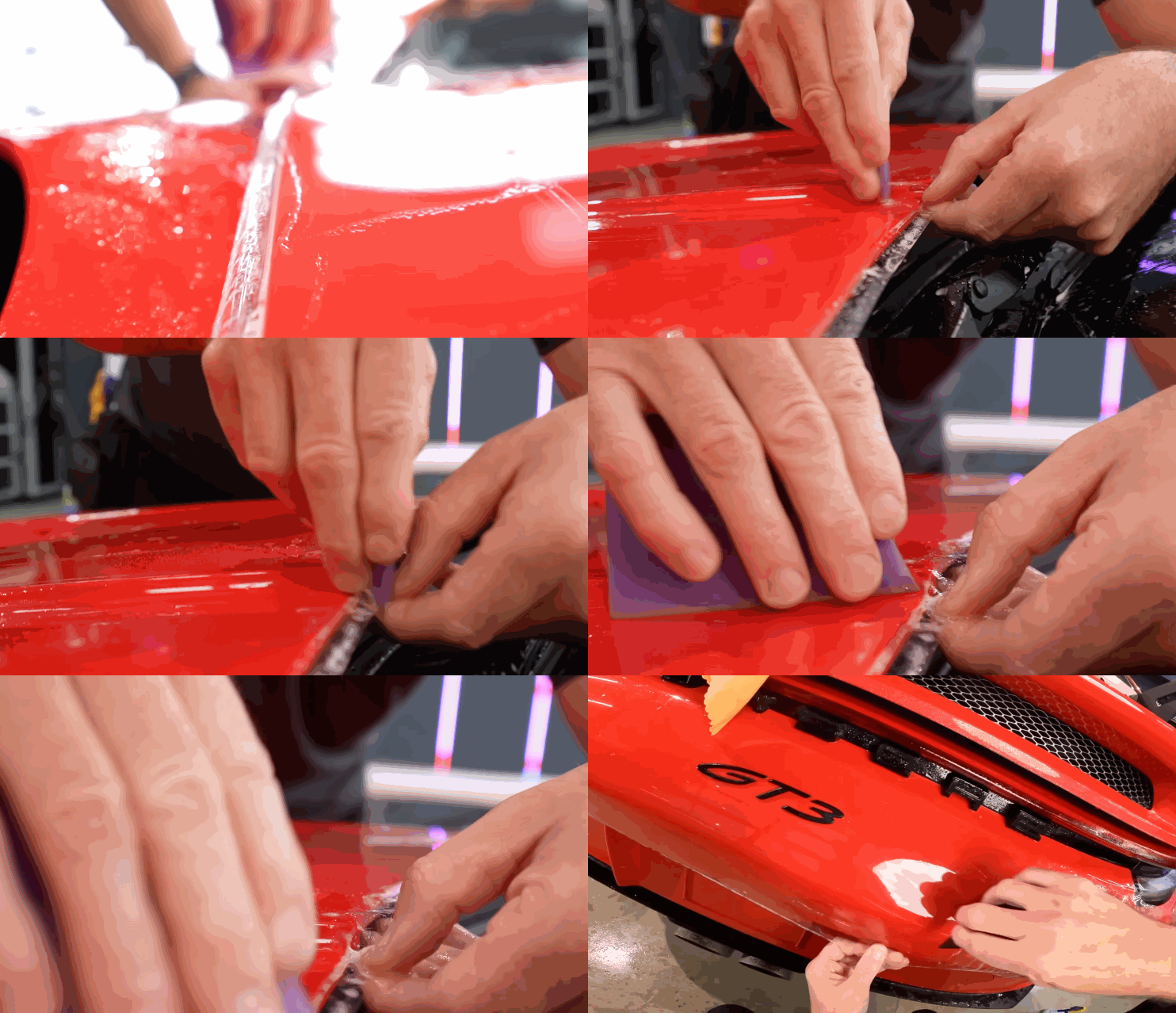
Not everyone in Malden has the luxury of indoor parking. Street parking, shared driveways, and apartment complex lots are part of everyday life here, and winter conditions amplify their impact on your vehicle.
Outdoor parking exposes Paint Protection Film to constant temperature fluctuations. Vehicles warm up while driving, then cool rapidly once parked. Over time, this expansion and contraction affects every exterior surface, including protective films.
Daily habits quietly influence film lifespan and protective performance:
- Parking near snowbanks increases exposure to road salt
- Frequent short trips create repeated temperature swings
- Ice buildup around edges can linger longer outdoors
None of these factors mean PPF will fail, but they do shape how long it performs at its best. From our experience, film durability is not about eliminating exposure. It is about understanding how winter habits affect long-term results and adjusting expectations accordingly.
A calm, realistic approach to winter driving goes a long way toward preserving both the film and the paint it protects.
When to Inspect Paint Protection Film After Winter Driving
Once winter starts to ease, inspection becomes an important part of PPF maintenance. Malden winters are demanding, and months of salt exposure, debris impact, and freezing temperatures leave their mark, even on high-quality film.
Common signs that an inspection may be worthwhile include subtle changes in appearance, edge wear, or areas that simply look more fatigued than others. These are not technical failures. They are normal signs of a film that has spent a season doing its job.
An inspection does not automatically mean replacement. In many cases, the film is still performing exactly as intended. The value lies in understanding its condition before small issues become bigger ones.
At Pelicar Window Tinting, we view post-winter evaluation as preventive, not reactive. Winter driving patterns in Malden are consistent year after year, and regular inspections support long-term value by keeping protection predictable rather than surprising.
Thinking this way helps drivers get the most out of Paint Protection Film without unnecessary replacements or unrealistic expectations.
Choosing a Local Malden, MA Professional for PPF Guidance
When it comes to winter vehicle protection, local expertise makes a real difference. Malden drivers face a specific combination of challenges that go beyond general cold weather. Tight residential streets, frequent stop-and-go traffic, and heavily treated roads all influence how Paint Protection Film performs over time.
Working with professionals who understand Malden roads, weather patterns, and daily driving habits adds an extra layer of confidence. Familiarity with routes like Route 60, Route 1A, and I-93 helps shape realistic expectations around impact zones, salt exposure, and long-term wear.
There is also value in experience. Professional PPF installation is not just about applying film, it is about knowing how that film will behave after months of freezing temperatures, snow buildup, and constant road spray. Details such as surface preparation, edge finishing, and material selection become even more important in a winter-heavy environment.
At Pelicar Window Tinting, local expertise is built through years of working with vehicles that live and drive in Malden year-round. That perspective allows us to offer guidance that is practical, informed, and aligned with how people actually use their cars here, without overpromising or overselling protection.
Conclusion: Maintaining Paint Protection Film Through Malden Winters
Winter-focused PPF maintenance matters because Malden winters are demanding. Freezing temperatures, road salt, snow, and debris place constant stress on vehicle paint, and Paint Protection Film plays a key role in managing that exposure throughout the year.
From daily commuting to street parking and highway driving, PPF helps absorb impacts, resist chemical damage, and preserve the factory finish beneath it. When supported by realistic maintenance habits and seasonal inspections, it remains one of the most reliable forms of year-round vehicle protection available.
We share this perspective not just as installers, but as drivers who rely on Paint Protection Film on our own vehicles through the same winters. We understand its strengths, its limits, and the value it provides when expectations are grounded in real-world use.
If you have questions about PPF maintenance, winter performance, or want guidance specific to how and where you drive in Malden, you are welcome to contact Pelicar Window Tinting for a free quote and consultation. We are always happy to help you make informed decisions that protect your vehicle through every season with confidence.
4.7 STARS 773 Google reviews
Window tinting service in Malden, Massachusetts