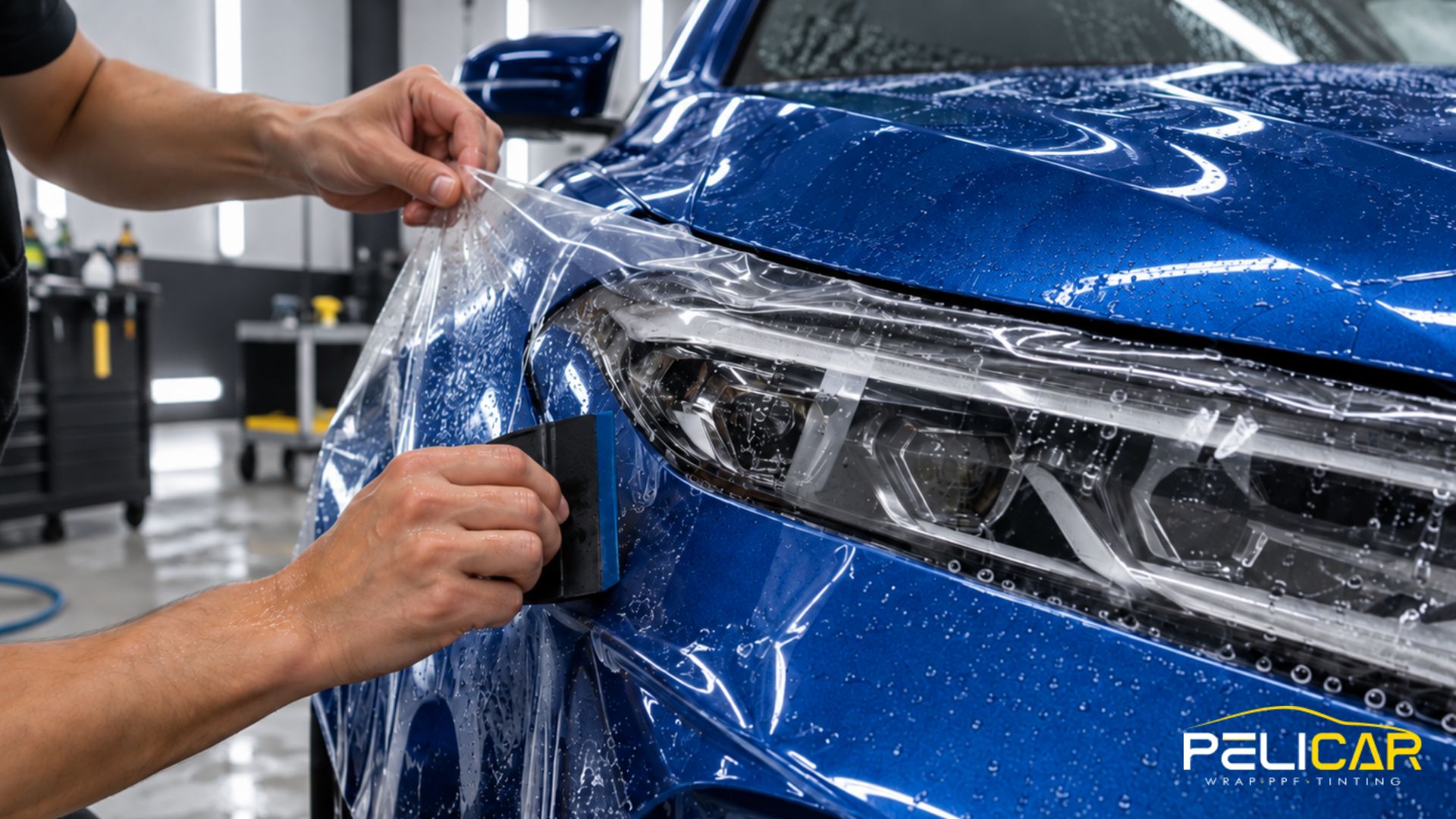
The cost of paint protection film in Malden, MA can vary considerably based on the vehicle, coverage area, film selected, existing paint condition, and installation complexity. Partial protection can cost significantly less than full-body coverage, which is why an accurate PPF cost in Malden, MA starts with knowing exactly which panels you want to protect.
Professional PPF installation also includes much more than the film itself. Surface preparation, precise material placement, fitting around complex panels, edge finishing, and skilled installation labor all contribute to the final price. Because vehicle designs vary so much, a quote based on the actual car and desired coverage is more useful than a single universal PPF price.
What Determines the Cost of Paint Protection Film?
PPF pricing is primarily determined by the amount of material and installation labor required for a specific vehicle. Coverage matters, but the shape and condition of the vehicle can make two seemingly similar PPF jobs very different in terms of time and difficulty.
Several factors have the biggest influence on paint protection film cost:
- Vehicle size: Larger panels generally require more film and more installation time.
- Body shape: Complex curves and aggressive styling can make precise film placement more labor-intensive.
- Coverage level: Protecting a bumper costs much less than covering the entire front end or vehicle.
- Film selection: Premium films and specialty finishes can carry different material costs.
- Panel complexity: Mirrors, vents, sensors, cameras, grilles, and intricate bumpers require careful fitting.
- Paint condition: Contamination or paint defects may require additional preparation before installation.
This is also why square footage doesn’t tell the entire story. A relatively small performance vehicle with an intricate front bumper, multiple air intakes, and sharp body lines can require more installation work than a larger sedan with simpler surfaces.
At Pelicar, we evaluate the actual vehicle and the owner’s protection goals before recommending coverage. Professional PPF installation should be priced around the work the vehicle genuinely requires, rather than forcing every car into the same package simply because it falls into a certain size category.
How Much Does PPF Cost by Coverage Area?
Coverage area is one of the largest factors affecting PPF cost. As more panels are protected, both material usage and installation time increase, which creates a fairly clear progression from targeted protection to full-body coverage.
Actual prices vary by vehicle and installer, but typical market ranges can help establish a realistic budget:
Common PPF Coverage Options
- High-impact or individual panels: roughly $300 to $800+. This approach targets specific vulnerable areas such as a bumper, mirrors, rocker panels, or portions of the hood.
- Partial front PPF: roughly $700 to $1,500+. Packages commonly include the front bumper, mirrors, and partial sections of the hood and front fenders.
- Full front PPF: roughly $1,500 to $2,500+. Coverage generally extends across the full hood, front bumper, front fenders, and mirrors for more complete forward-facing protection.
- Full body PPF: roughly $5,000 to $8,000+, sometimes higher. Nearly all painted exterior surfaces are covered, requiring substantially more film and labor.
These figures are general market ranges rather than guaranteed local quotes. Vehicle size, film brand, paint preparation, installation technique, and exactly what a shop includes in each package can move pricing above or below these estimates.
The most expensive option isn’t automatically the smartest one. For many daily drivers, targeted or full front PPF can concentrate the budget on panels that experience the greatest exposure. Full body PPF makes more sense when comprehensive paint protection is the actual ownership priority. Comparing PPF coverage options based on how you drive usually produces a better decision than choosing solely by package size.
Which Parts of a Car Are Most Worth Protecting With PPF?
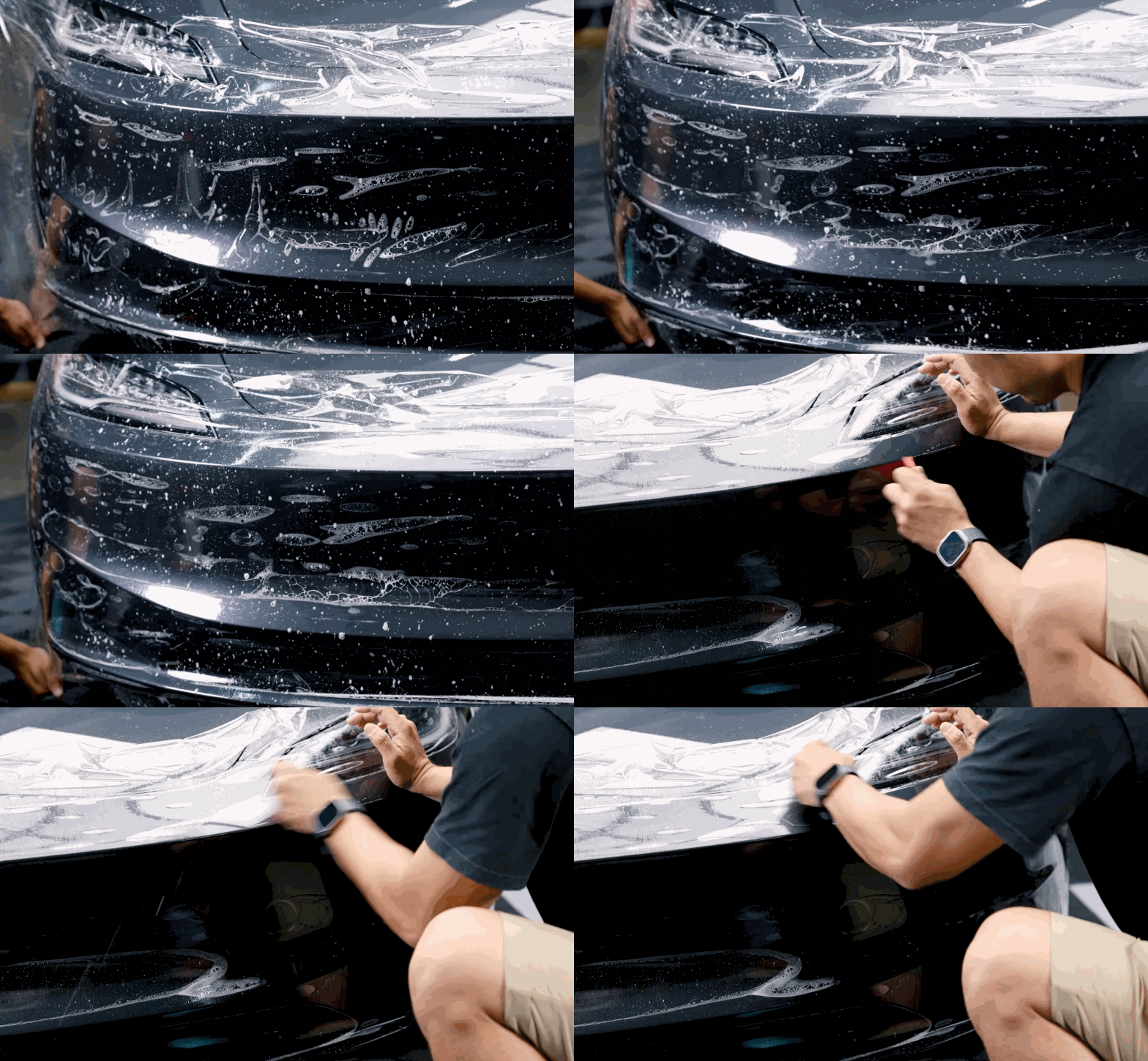
The front bumper, hood, front fenders, side mirrors, rocker panels, and other impact-prone surfaces are typically the highest priorities for paint protection film. These areas face the greatest exposure to loose debris, road contaminants, and repeated impacts during everyday driving.
For Malden drivers, the front end deserves particular attention. Regular trips toward Boston or time spent on I-93 and Route 1 can expose forward-facing paint to gravel, small road debris, insects, and material kicked up by surrounding traffic. Construction activity around Greater Boston adds another source of dust and debris that can reach painted surfaces.
Massachusetts winters introduce a different type of wear. Sand, salt, dirty snow, and road treatment residue can repeatedly collect around lower body panels. Rocker panels and areas behind the wheels can therefore be worthwhile additions for drivers who want protection beyond the traditional front-end package.
That’s the advantage of thinking in terms of high-impact PPF coverage. Effective road debris protection doesn’t necessarily mean wrapping every painted panel. Prioritizing the areas that actually receive the most abuse can provide practical car paint protection in Malden while keeping the project within a more manageable budget.
Does Vehicle Size and Design Affect PPF Pricing?
Yes. Larger vehicles generally increase PPF installation cost because they require more material, but body design can influence vehicle PPF pricing just as much as overall size.
A compact sedan, for example, may have relatively straightforward panels that allow the film to be positioned efficiently. An SUV or pickup typically introduces larger hoods, fenders, doors, and other surfaces, increasing material requirements. EVs and performance vehicles can create a different challenge altogether, particularly when their front ends include intricate aerodynamic shapes.
Complexity Changes the Installation
Bumpers with deep openings require careful film positioning. Sharp body lines have to be handled without overstretching the material. Cameras, parking sensors, trim pieces, badges, and other components can also increase the amount of precision work involved.
This means a smaller sports car can sometimes require more labor on a particular panel than a physically larger vehicle with simpler geometry. Automotive paint protection film has to conform cleanly to the surface, so installation difficulty can’t be calculated from vehicle dimensions alone.
At Pelicar, that’s why we prefer pricing coverage around the specific vehicle in front of us. We consider panel size, body geometry, film requirements, and installation complexity together, giving customers a much clearer picture of what their PPF installation cost actually represents.
How Paint Condition Can Affect the Cost Before PPF Installation
Paint protection film should be installed over a properly cleaned and prepared surface, so the condition of the paint can affect how much work is needed before the film goes on. A newer, well-maintained vehicle may need relatively straightforward preparation, while another car may require additional attention before PPF installation can begin.
Contamination is one of the first things we look for. Road film, tar, embedded particles, and other material stuck to the clear coat need to be removed so the PPF can sit cleanly against the surface. Scratches, swirl marks, rock chips, and previous paint repairs should also be evaluated before installation.
PPF is transparent, which means existing defects don’t simply disappear underneath it. In some cases, paint correction before PPF may be worthwhile to improve the finish before covering it. However, extensive correction isn’t automatically necessary for every vehicle. The appropriate level of PPF surface preparation depends on the condition of the paint and the owner’s expectations for the finished result.
Is Partial PPF or Full-Body PPF the Better Value?
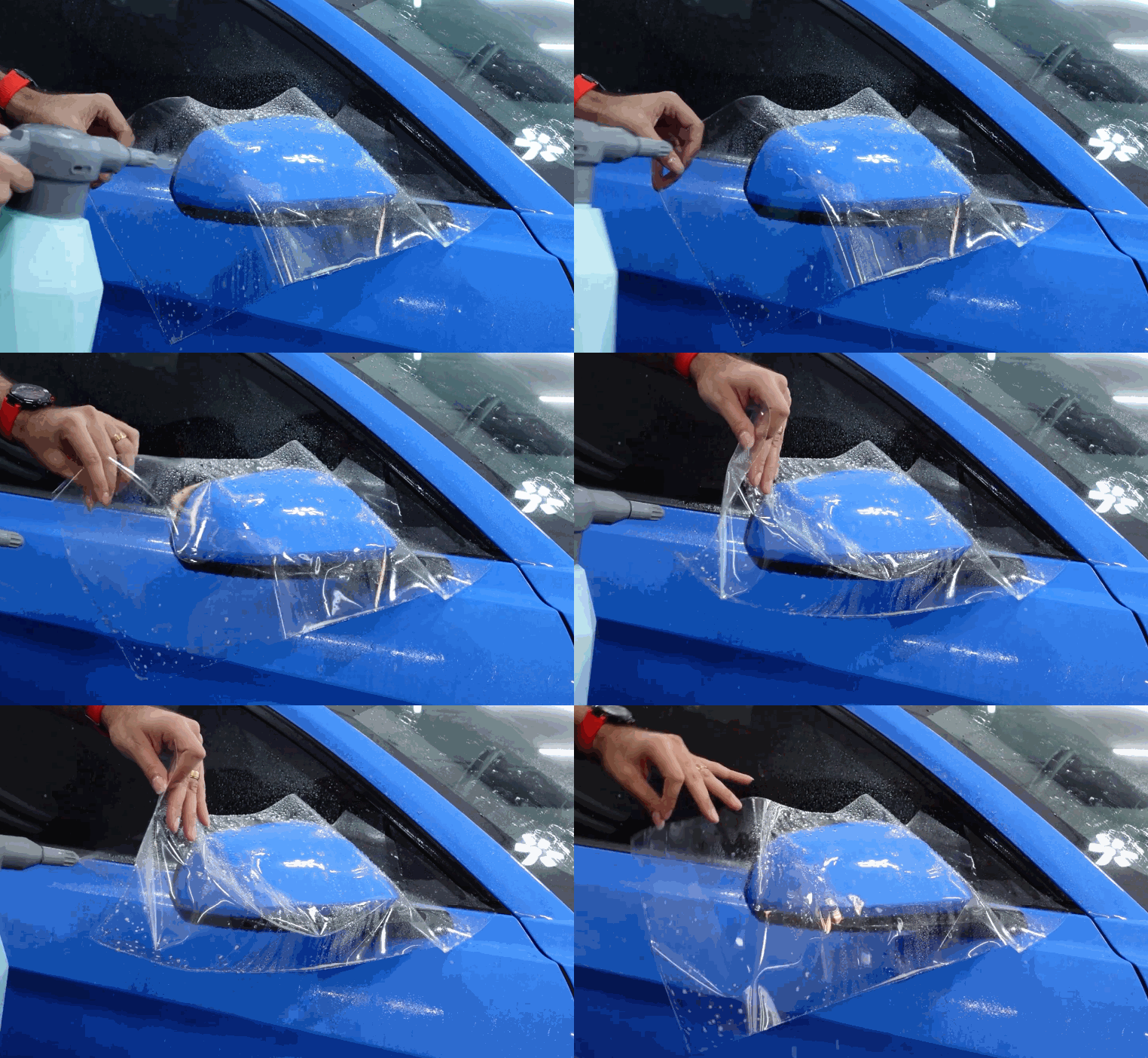
The better value depends on how the vehicle is driven, its current condition, how long the owner plans to keep it, and how much paint they actually want protected. More coverage provides more protection, but that doesn’t automatically make the largest package the smartest investment for every driver.
For many daily-driven vehicles, concentrating PPF on high-impact areas offers an effective middle ground.
When targeted coverage makes sense
Partial-front or full-front PPF coverage packages focus the budget on areas that repeatedly encounter road debris. This can be particularly practical for commuters who want to protect the bumper, hood, fenders, and mirrors without paying for film on panels that receive much less impact exposure.
When full-body coverage becomes more attractive
Full body paint protection film may make more sense for a newer vehicle, enthusiast-owned car, high-mileage vehicle, or something the owner plans to keep for many years. It extends physical protection to doors, quarter panels, rear sections, and other painted surfaces that can pick up scratches and everyday wear even though they aren’t directly facing the road.
At Pelicar, we don’t consider the biggest package automatically better. When recommending PPF for daily drivers, we look at where the vehicle travels, how it’s used, and what the owner wants to preserve. The best value is the coverage that protects the areas you care about without paying for protection you don’t actually need.
Why Professional PPF Installation Affects the Price
Professional PPF installation costs more than simply purchasing a roll of film because the finished result depends heavily on preparation, precision, and installer skill. High-quality material can still look disappointing or perform poorly when the installation itself is rushed.
A professional paint protection film installation typically involves several important stages:
- Cleaning and decontamination: Dirt and embedded contamination are removed before film touches the paint.
- Panel inspection: The installer checks the surface for defects or conditions that could affect the finished result.
- Pattern preparation and fitment: Film is sized and positioned for the specific panel.
- Precise placement: The material is carefully aligned while moisture and air are worked out from underneath.
- Contour and edge work: Curves, body lines, openings, and edges require controlled material handling.
- Final inspection: The installation is checked for alignment, adhesion, edges, and overall finish.
When comparing quotes, it’s worth looking beyond the final dollar amount. Film quality, preparation, actual panel coverage, edge treatment, installer experience, and warranty can differ substantially between shops.
Ultimately, PPF installation quality affects how naturally the film blends into the vehicle and how reliably it performs over time. A professional PPF installer is being paid not just for material, but for the workmanship required to make that material function as intended.
How to Get an Accurate PPF Quote in Malden
An accurate PPF quote requires more than a vehicle make and model. The vehicle’s condition, desired coverage, selected film, and protection goals all help determine realistic paint protection film pricing.
Before comparing quotes, make sure you’re comparing the same scope of work. One shop’s “front package” may not include exactly the same panels or coverage details as another’s.
A useful quote should make it clear which panels are being protected, whether coverage is partial or complete, what film is being installed, and what preparation is included. Edge coverage and warranty terms are also worth asking about.
Your driving habits can help determine which quote actually represents the better value. Someone commuting from Malden into Boston several days per week may prioritize front-end protection differently from a driver with lower annual mileage. Frequent highway travel, outdoor parking, winter driving, and long-term ownership can all influence the amount of coverage worth considering.
When requesting a PPF quote in Malden, MA, give the installer enough information to recommend appropriate coverage rather than simply asking for the cheapest package. A knowledgeable PPF installer in Malden should be able to explain exactly what you’re paying for and why that coverage makes sense for your vehicle.
Conclusion: Choosing PPF Coverage That Fits Your Budget and Vehicle
Paint protection film cost depends on several connected factors, including vehicle design, film selection, paint preparation, installation complexity, and total coverage. That’s why two vehicles can receive very different quotes even when their owners appear to be requesting similar protection.
Malden drivers also don’t necessarily need full-body PPF to receive meaningful benefits. For regular travel around Greater Boston, carefully selected front-end or high-impact coverage can protect some of the surfaces most exposed to road debris, winter contaminants, and everyday driving wear.
The right approach is to match coverage to the vehicle rather than the other way around. Consider which panels are vulnerable, how much highway driving you do, how long you plan to own the car, and what budget makes sense. Full-body coverage is excellent for the right owner, but strategic coverage can provide strong value when comprehensive protection isn’t necessary.
At Pelicar, we provide professional PPF installation in Malden based on those individual priorities. If you’re considering paint protection film for your vehicle, contact us for a personalized quote. We’ll help you compare coverage options, understand the costs involved, and choose a level of protection that makes sense for your car and the way you drive.
4.7 STARS 773 Google reviews
Window tinting service in Malden, Massachusetts