Quality window film can significantly reduce the amount of ultraviolet radiation passing through treated glass, helping lower everyday UV exposure inside vehicles, homes, and commercial spaces. UV protection window film is especially useful in places where people spend extended periods near windows, but it should complement, not replace, sunscreen, protective clothing, and appropriate medical advice.
UV exposure isn’t limited to hot, sunny afternoons. In Malden, ultraviolet radiation remains relevant during cloudy weather and cooler Massachusetts seasons, even when the sun doesn’t feel particularly strong. For people who spend considerable time driving or sitting beside untreated windows, that exposure can accumulate gradually.
That’s one reason UV performance has become an important consideration when choosing modern window tinting services. The right film can add a layer of protection to glass you interact with every day without necessarily making that glass noticeably dark.
What Types of UV Rays Can Pass Through Glass?
UVA and UVB rays behave differently around glass. Standard window glass generally blocks most UVB radiation, while UVA can pass through many types of untreated glass more readily, making UVA protection particularly relevant indoors and inside vehicles.
UVB is commonly associated with sunburn and plays an important role in skin damage. UVA penetrates deeper into the skin and contributes to premature skin aging and other forms of UV-related damage. Both matter, but glass changes how much of each type reaches you.
The important thing to remember is that heat and UV exposure are not the same thing. You can sit comfortably beside a cool window and still be exposed to UVA radiation. Likewise, a cloudy Massachusetts afternoon doesn’t mean ultraviolet exposure has disappeared.
What homeowners and drivers should know about glass and UV
- Ordinary glass provides different levels of protection against UVA and UVB.
- UVA can penetrate many common types of untreated glass.
- Feeling less heat does not necessarily mean receiving less UV exposure.
- Different glass types can have different UV transmission characteristics.
- UV blocking window film can further reduce the radiation transmitted through treated glass.
At Pelicar, we focus on actual product performance when discussing UV protection with customers. Rather than assuming that any dark film provides strong protection, we look at specifications such as UV rejection and visible light transmission to determine what a particular product is designed to accomplish.
That distinction makes it easier to choose film based on measurable protection rather than appearance alone.
How Window Film Reduces UV Exposure
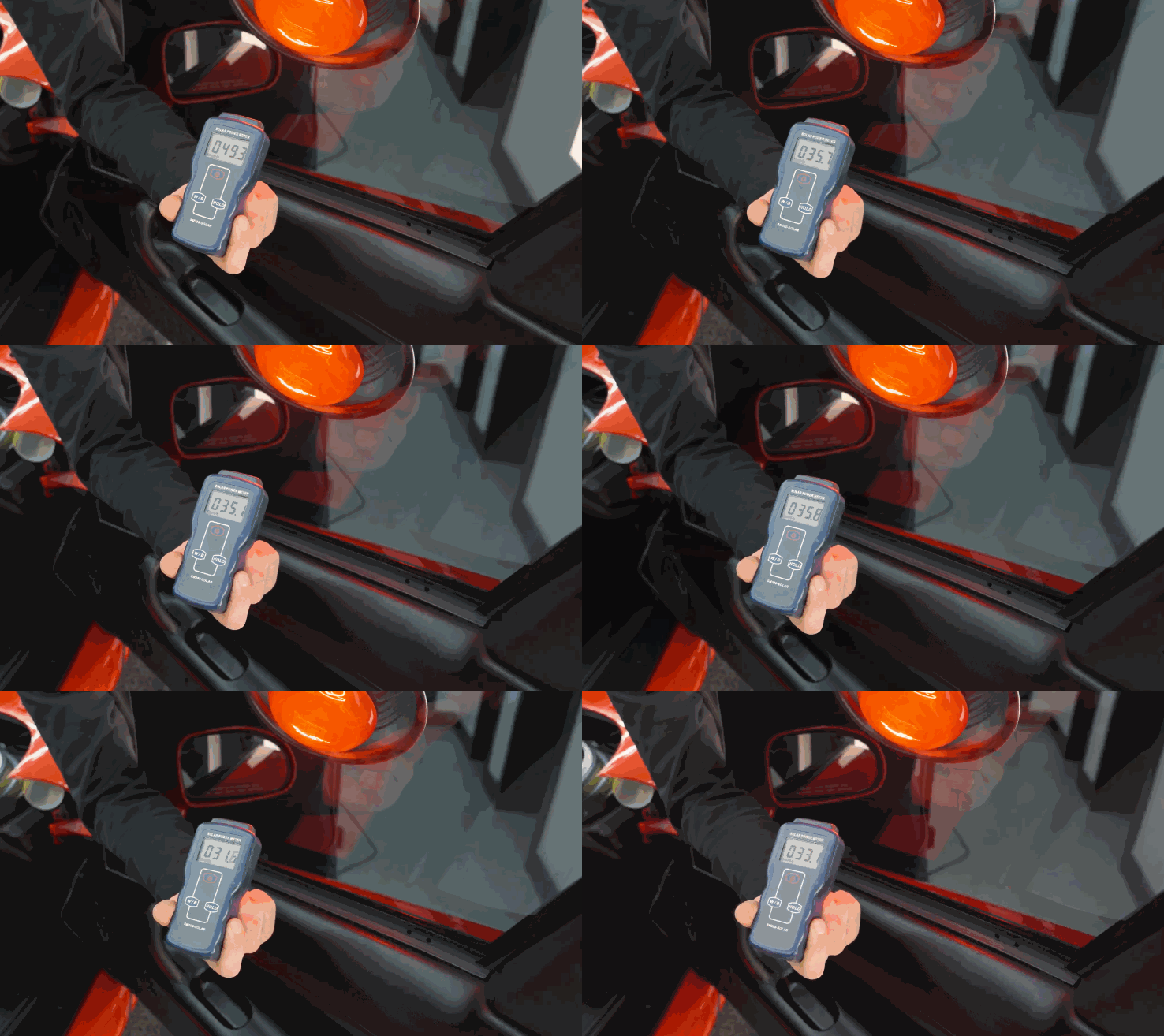
Specialized window films reduce UV exposure by absorbing or blocking ultraviolet radiation before much of it passes through the treated glass. High-quality products can provide substantial UV rejection while still allowing plenty of visible daylight into a vehicle, home, or workplace.
How effectively that happens depends on the construction of the film. Modern window film technology uses specialized materials, coatings, and adhesive systems engineered to interact with different portions of solar energy. UV rejection is therefore a performance characteristic of the product itself, not simply a consequence of making the glass darker.
Darkness and UV protection are not the same
This is an important distinction because people often assume a dark-looking film must provide better UV protection than a lighter one. That’s not necessarily true.
A nearly clear protective window film may offer strong UV rejection, while another darker product could have been designed primarily for privacy or glare control. Visible Light Transmission (VLT) tells you how much visible light passes through the film, while UV-rejection specifications tell you how the product performs against ultraviolet radiation.
For homes and commercial properties, this creates much more flexibility. You don’t necessarily have to dramatically change the appearance of the windows or sacrifice natural daylight just to improve UV protection.
Choosing a UV rejection window film based on verified specifications allows you to address ultraviolet exposure while still considering visibility, heat control, privacy, and the appearance you want from the glass.
Why UV Protection Matters Inside a Vehicle
Drivers and passengers can experience repeated UV exposure through vehicle windows, particularly through side glass during regular travel. Automotive window film can reduce the amount of UV radiation entering through treated windows, adding another layer of protection during commutes, errands, and longer trips.
That repeated exposure is worth considering around Malden because a lot of local driving involves time rather than distance. A commute toward Boston can include extended periods sitting in traffic, and regular travel on routes such as I-93 or Route 1 can mean spending hours each week beside the same side window.
Car window tint UV protection works continuously during those trips. Unlike heat rejection, which drivers tend to notice immediately, UV reduction is largely invisible. You don’t feel ultraviolet radiation being blocked, but the film continues reducing transmission whenever sunlight reaches the treated glass.
There is also a benefit for the vehicle itself. UV exposure contributes to the gradual deterioration of leather, dashboards, plastics, upholstery, and other interior materials. An automotive window film with strong UV performance can help reduce one contributor to fading and premature interior aging.
For people who drive frequently throughout Greater Boston, vehicle UV protection therefore serves two purposes: reducing UV transmission for occupants and helping preserve the cabin that receives that sunlight day after day.
How Residential Window Tint Can Help Around the Home
Residential window tint can reduce UV exposure in areas where people spend substantial amounts of time near exterior glass. This can be particularly useful in rooms that receive prolonged direct or indirect sunlight throughout the day.
The benefit isn’t limited to one type of room. How useful film becomes depends largely on the home’s layout and the way sunlight moves across the property.
Areas where UV control may be particularly useful
- Living rooms with large windows or glass doors
- Home offices where desks sit close to exterior glass
- Kitchens and dining areas receiving prolonged daylight
- Bedrooms with strong morning or afternoon exposure
- Rooms containing artwork, wood flooring, rugs, or upholstered furniture
Malden homes can have very different solar exposures depending on their orientation, surrounding buildings, trees, and window placement. Massachusetts seasons also change the angle and intensity of sunlight reaching the glass, so a window that seems relatively comfortable during one part of the year may receive much stronger exposure during another.
UV blocking residential window film helps address that exposure without requiring homeowners to keep blinds or curtains closed throughout the day. It can also help reduce UV-related fading of flooring, furniture, fabrics, artwork, and other interior finishes.
At Pelicar, we prefer to evaluate which windows are actually creating the greatest exposure rather than assuming every pane needs the same treatment. That allows home UV protection to be approached strategically, preserving natural light while adding protection where it provides the most practical value.
Why Commercial Window Tint Can Matter in Workplaces

Commercial window tint can reduce UV exposure in offices, storefronts, waiting rooms, and other workplaces where people spend hours near exterior glass. It becomes especially useful in buildings with large windows that receive consistent sunlight throughout the workday.
Commercial properties create different challenges than homes because the amount of glass can be much greater. Employees may work beside the same window every day, customers may spend time in sun-facing waiting areas, and products displayed near storefront glass can receive repeated UV exposure.
Around Malden Center and other commercial areas, storefront orientation can make a substantial difference in how sunlight affects the interior. A business with several sun-facing windows may experience strong exposure for hours at a time, along with glare and unwanted solar heat.
Where commercial film can provide practical value
- Offices with desks positioned close to exterior windows
- Retail stores with merchandise displayed near storefront glass
- Reception areas and waiting rooms receiving direct sunlight
- Restaurants or cafés with large dining-area windows
- Workspaces where glare interferes with computer screens
A quality commercial UV protection film can reduce UV transmission while preserving useful natural light. Depending on the product, business window film can also address glare and solar heat, creating a more comfortable environment without requiring blinds to remain closed all day.
For businesses, commercial window tint is ultimately about making existing glass work better for the people, furnishings, and merchandise behind it.
Does Window Film Replace Sunscreen or Other UV Protection?
No. Window film should complement other UV-protection measures rather than replace them. It reduces ultraviolet radiation transmitted through treated glass, but its protection applies only where the film is installed.
Once you step outside, sit beside untreated glass, or receive sunlight through an open window, the film is no longer providing that barrier. This is why we think it’s important to keep expectations realistic when discussing skin protection from UV.
Window film can be one part of a broader approach that includes:
- Using appropriate sunscreen
- Wearing protective clothing when needed
- Seeking shade during prolonged outdoor exposure
- Following other recommended sun-protection practices
The window film benefits become most relevant during the hours people already spend behind glass. It can reduce a source of UV exposure without requiring any additional action once the film is installed, whether you’re driving, working beside an office window, or spending time at home.
At Pelicar, we’d rather explain that benefit accurately than suggest film does something it cannot. Quality film provides meaningful UV protection through treated glass, but it isn’t a substitute for the protection you need when you’re outdoors.
How to Choose Window Film for UV Protection
The best window film for UV protection should be chosen by comparing its actual performance specifications, not simply by selecting the darkest product available. Strong UV rejection can be achieved without dramatically reducing the amount of visible light entering through the glass.
A good starting point is the film’s UV-rejection rating. From there, the decision should account for what else you expect the glass to accomplish.
Performance specifications worth comparing
- UV rejection: Indicates how effectively the film reduces ultraviolet radiation passing through treated glass.
- Visible Light Transmission (VLT): Shows how much visible light passes through, which affects brightness and appearance.
- Heat rejection: Becomes particularly important when excessive solar heat is also a concern.
- Glare reduction: Useful for driving, working at computer screens, and rooms receiving intense direct sunlight.
- Intended application: Automotive, residential, and commercial products are engineered for different glass systems and environments.
That last point shouldn’t be overlooked. The ideal film for a vehicle isn’t automatically the right product for a living-room window or Malden storefront. Residential and commercial window film needs to be compatible with the existing glass while delivering the performance required for that particular space.
Professional window tinting services can help narrow the options by balancing UV performance with visibility, solar control, appearance, and glass compatibility. Instead of treating UV protection as an isolated number, the goal should be finding a film that performs well as part of the complete application.
Conclusion: Adding UV Protection to the Glass You Use Every Day
Window film can meaningfully reduce the amount of UV radiation passing through treated vehicle, residential, and commercial glass. Depending on the product, it can also reduce solar heat and glare while helping protect furniture, flooring, merchandise, vehicle interiors, and other materials from UV-related fading.
The effectiveness of those benefits depends on the film itself. Product quality, UV-rejection specifications, glass compatibility, and professional installation all influence the finished result. Darkness alone doesn’t determine how much protection a film provides.
That versatility is particularly useful around Malden and Greater Boston, where people spend significant amounts of time behind glass throughout every season, whether commuting, working in an office or storefront, or relaxing at home.
At Pelicar, we provide automotive film, residential window tint, and commercial window tint solutions based on what each customer actually needs from their glass. UV protection can be an important part of that decision, but we also consider heat, glare, visibility, appearance, and the specific application before recommending a product.
If you’d like to reduce UV exposure through the glass in your vehicle, home, or business, contact us today. Our team can help you compare your options and choose professional window tinting services that fit your UV-protection goals in Malden, MA.
4.7 STARS 773 Google reviews
Window tinting service in Malden, Massachusetts