Commercial window tint can improve employee comfort by reducing solar heat, glare, UV exposure, and temperature inconsistencies around sun-exposed windows. A more comfortable visual and thermal environment can also remove distractions that make it harder to concentrate, although business window tint should not be treated as something that directly increases productivity on its own.
The results depend on factors such as building orientation, glass type, workspace layout, film performance, and professional window film installation. The right commercial window film addresses the specific sources of discomfort in a workplace while preserving the natural light and visibility the business wants to keep.
Why Can Untreated Business Windows Make Workspaces Uncomfortable?
Untreated business windows can allow substantial solar heat and glare into workspaces, making areas close to the glass noticeably less comfortable than interior areas. Desks, reception stations, meeting rooms, and other spaces beside large windows tend to experience these effects most directly.
A window-facing employee might be comfortable early in the morning but experience much stronger heat later as the sun reaches that side of the building. Another employee farther inside the same room may not experience that change at all. The thermostat then becomes an imperfect solution because the problem is concentrated near the glass rather than distributed evenly throughout the space.
Common responses to excessive sun exposure include:
- Closing blinds for much of the workday
- Repositioning monitors to avoid reflections
- Moving desks farther from windows
- Increasing air conditioning to compensate for localized heat
- Avoiding otherwise useful window-side areas
- Adjusting shades repeatedly as the sun changes position
Malden workplaces can experience these issues differently throughout the year. Strong summer sunlight can increase solar heat near exposed windows, while lower sun angles during other seasons can send direct light deeper into a workspace and create glare at different times of day.
At Pelicar, we look at the actual glass, orientation, sun exposure, and use of the interior before recommending commercial window tint. An office with employees working at computers has different priorities from a storefront with merchandise beside the glass, so choosing an office window film or heat control window film should begin with the problem the business actually needs to solve.
How Does Business Window Tint Help Control Indoor Heat?
Business window tint helps control indoor heat by reducing a portion of the solar energy entering through treated glass. Instead of waiting for sunlight to heat the interior and then relying entirely on air conditioning to compensate, solar control window film addresses part of that heat gain at the window itself.
This distinction matters in commercial spaces with large areas of sun-exposed glass. Turning down the thermostat may cool the building overall, but it does not necessarily solve the imbalance between an employee sitting beside a sunny window and someone working farther from the exterior wall.
A properly selected commercial heat rejection film can make those perimeter areas more practical while still allowing useful daylight into the building. Employees may be less dependent on keeping blinds closed throughout the day, which can help preserve the open appearance and natural light that made the windows desirable in the first place.
The amount of heat reduction is not identical for every property. Film specifications, glass construction, window orientation, exterior shading, and the intensity of solar exposure all influence performance. For that reason, choosing window tint in Malden, MA should involve matching the film to the building rather than simply selecting the darkest option available.
How Can Window Film Reduce Glare on Computer Screens?

Properly selected window film can reduce excessive daylight and reflections that make computer screens and other displays difficult to view. Glare control can be especially valuable when employees spend long periods working with screens near large exterior windows.
Direct sunlight is only one source of the problem. Bright reflections from neighboring buildings, parked vehicles, pavement, and other exterior surfaces can also create uncomfortable contrast between a screen and the surrounding workspace.
Areas where glare reduction window film can be particularly useful include:
- Computer workstations positioned near exterior windows
- Reception desks with customer-facing monitors
- Conference rooms using televisions or presentation screens
- Retail counters with point-of-sale displays
- Offices where employees regularly work across multiple monitors
Reducing glare does not mean eliminating daylight or turning the workplace into a dark room. A well-chosen office window tint can moderate excessive brightness while retaining an appropriate amount of natural light. The practical benefit is fewer visual distractions from constantly changing sunlight, rather than an unrealistic promise that commercial window film will automatically make employees more productive.
Can Window Tint Help Create More Consistent Workplace Temperatures?
Commercial window tint can help reduce temperature differences caused by solar heat entering through exposed windows, making conditions near the perimeter of a workplace more consistent with areas farther inside. It complements the HVAC system rather than replacing it.
Why Window-Side Areas Feel Different
An HVAC system responds to the temperature information available to it, but sunlight does not heat every part of a building equally. Employees beside heavily exposed glass may feel substantially warmer even while the rest of the office remains comfortable.
A temperature control window film reduces part of that solar gain before it contributes to the imbalance. This can be particularly useful when desks, conference tables, waiting areas, or other frequently occupied spaces cannot simply be moved away from the windows.
Orientation Changes the Problem
Different sides of the same Malden property can behave very differently. Morning exposure, afternoon sun, exterior shading, surrounding buildings, and seasonal changes in sun angle all affect how much solar energy reaches each section of glass.
At Pelicar, we consider those differences along with how each room is used. Commercial window tinting does not necessarily require treating every pane with an identical film. Matching solar heat reduction to the orientation and function of the space can provide better office comfort while maintaining appropriate natural light throughout the property.
Does Commercial Window Film Provide UV Protection for Employees and Interiors?
Yes. Many types of commercial window film can significantly reduce UV radiation passing through treated glass, providing an additional layer of protection for people and materials that spend long periods near windows.
For employees, UV protection window film reduces the amount of UV radiation entering through the treated glass. This can be particularly relevant for workstations, reception areas, and other occupied spaces located close to large windows. However, window film is only one component of sun protection and should not be treated as a substitute for appropriate personal UV protection.
The same benefit applies to the workplace itself. Repeated sunlight exposure can contribute to fading and deterioration of flooring, furniture, artwork, merchandise, displays, and other interior materials. A UV blocking window tint can help slow that process by reducing one of the factors responsible for fading.
It is also important to separate UV performance from other film characteristics. UV rejection, visible light transmission, glare reduction, and solar heat rejection measure different things. A business window tint does not necessarily need to look extremely dark to provide strong UV protection, which is why actual film specifications matter more than judging performance by appearance alone.
How Can Window Tint Support Employee Focus Without Making the Office Too Dark?
Workplace window tint does not have to make an office noticeably dark. Modern films are available with different visible light transmission levels and performance characteristics, allowing businesses to manage excessive sunlight while retaining useful natural light.
Keeping Natural Light
Natural light can be an important part of how an office looks and feels, so blocking as much daylight as possible is rarely the goal. Natural light window film can be selected to moderate problematic glare or solar exposure without creating the closed-off feeling that can come from keeping blinds or shades drawn all day.
Choosing an office window tint based solely on darkness can actually work against the needs of the workplace. The film should be selected according to the amount of light employees need, the direction the windows face, and the specific solar-control performance required.
Balancing Privacy and Visibility
Privacy is another consideration, but it should be evaluated separately from glare and heat control. A business may want greater daytime privacy in certain rooms while maintaining clear views in reception areas or customer-facing spaces.
Exterior appearance matters as well. The right business window tint should make sense for the building from both sides of the glass rather than solving one issue while creating another.
The objective is balance. Effective workplace glare control can reduce distracting brightness while maintaining enough natural light, visibility, and openness for employees to use the space comfortably.
Which Malden Businesses Can Benefit From Commercial Window Tint?
Offices, storefronts, restaurants, gyms, clinics, professional service businesses, and other properties with sun-exposed glass can benefit from commercial window tint in Malden, MA. Whether film is worthwhile depends less on the business category and more on what is happening at the windows and how the interior space is used.
A few examples show how priorities can differ:
- Offices may prioritize glare control around computer workstations and more comfortable window-side desks.
- Storefronts may need UV reduction for merchandise while preserving visibility through display windows.
- Restaurants and cafés can benefit when direct sunlight makes certain tables noticeably less comfortable.
- Gyms and studios may need to balance solar control, natural light, and privacy.
- Clinics and professional offices may value a combination of glare management, privacy, and comfortable waiting areas.
- Customer-facing businesses may want to improve comfort without dramatically changing the appearance of the storefront.
Commercial spaces around Malden Center and elsewhere throughout Malden can have very different window orientations, neighboring structures, interior layouts, and hours of operation. Those differences influence whether storefront window tint, office window film, or another business window film configuration makes the most sense.
At Pelicar, we match film recommendations to how the commercial space is actually used. Instead of assuming every large window needs the same treatment, we look at where employees and customers spend time, where sunlight creates problems, and what the business wants to preserve about the existing space.
Why Does Professional Window Film Installation Matter for a Business?
Professional window film installation matters because the film has to be appropriate for the existing glass and installed correctly to deliver the intended appearance and performance. Commercial glazing can vary significantly between properties, so selecting a film without considering the glass system is not a good starting point.
Installation begins with understanding the windows themselves. Glass type, glazing configuration, existing coatings, dimensions, and overall condition can influence which products are suitable.
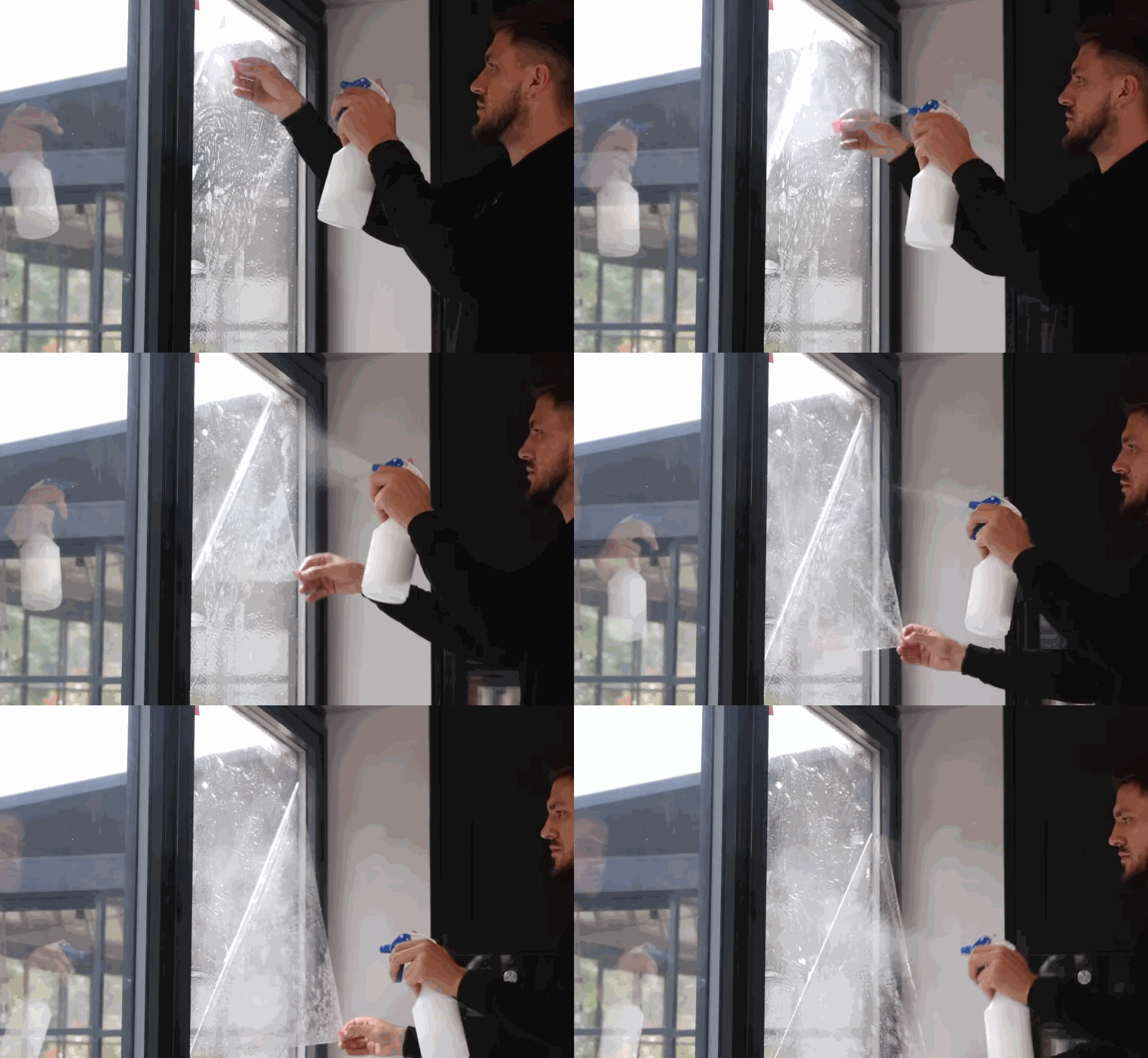
From there, professional installation involves careful surface cleaning and preparation, accurate film sizing, controlled placement, moisture removal, edge finishing, and appropriate curing. Contamination trapped beneath the film or poorly finished edges can be particularly noticeable across large commercial windows.
A professional commercial window film installer should also consider how the work affects normal business operations. Planning access to windows, moving around occupied areas carefully, and organizing the installation in practical stages can reduce unnecessary disruption to employees and customers.
Ultimately, professional commercial window tinting combines appropriate product selection with installation quality. Both matter when the film is expected to remain a functional and visible part of the workplace for years.
Conclusion: Improving Your Malden Workplace With Commercial Window Film
Commercial window tint can make a workplace more comfortable by reducing excessive solar heat, glare, UV transmission, and uneven conditions around exposed windows. Those improvements can remove some of the environmental distractions employees deal with during the workday while making previously uncomfortable areas more practical to use.
The right film should reflect the property itself. Glass construction, window orientation, natural-light goals, privacy requirements, interior layout, and the way employees and customers use each room all deserve consideration. Malden and Greater Boston businesses also experience meaningful seasonal changes in sunlight and temperature, making product selection more important than simply choosing a film based on how dark it looks.
At Pelicar, we evaluate commercial glass and the needs of the workplace before recommending a solution. If solar heat, glare, UV exposure, or uncomfortable window-side areas are affecting your Malden business, contact us to discuss professional window film installation. We can help you choose a business window tint that fits your property, employees, and everyday working environment.
4.7 STARS 773 Google reviews
Window tinting service in Malden, Massachusetts