Massachusetts Winter Car Care Checklist: What to Inspect Before the First Snow
Preparing your vehicle before the first snowfall can help prevent costly repairs and unexpected breakdowns. At Pelicar, we encourage drivers to make these essential checks part of their winter preparation routine, with professional assistance for mechanical inspections.
Inspect Your Tires for Winter Traction
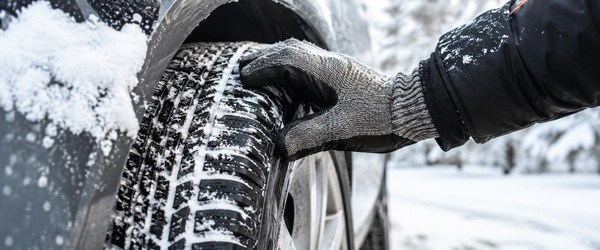
Tires play an important role in maintaining control on snowy and icy roads. Check tread depth, uneven wear, and air pressure before temperatures drop. For better winter traction, consider replacing worn tires before they reach 4/32 inch of tread depth or switching to dedicated winter tires. Always inflate tires according to your vehicle manufacturer's recommended pressure.
Test Your Battery Before Freezing Temperatures Arrive
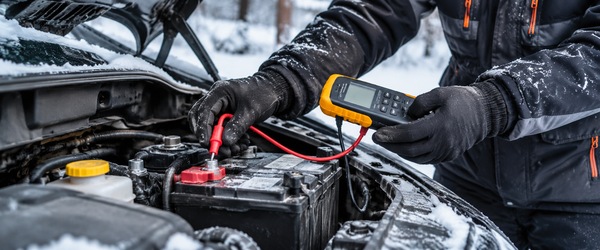
Cold temperatures reduce battery performance, making starting problems more likely. If your battery is several years old or your engine starts slowly, have it professionally tested. Checking for loose connections and terminal corrosion can also help prevent inconvenient breakdowns during freezing mornings.
Check Antifreeze, Engine Oil, and Other Fluids
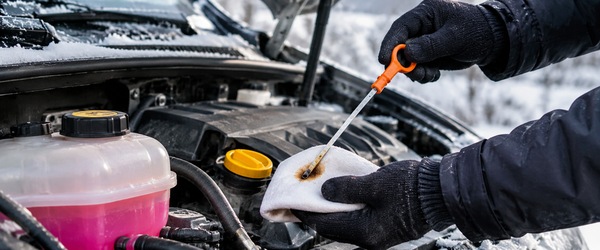
Your vehicle needs properly maintained fluids to handle freezing temperatures. Check coolant levels and freeze protection, and make sure you're using the engine oil recommended by your vehicle manufacturer. Addressing low fluid levels or leaks before winter can help prevent avoidable mechanical problems.
Inspect Your Brakes and Undercarriage
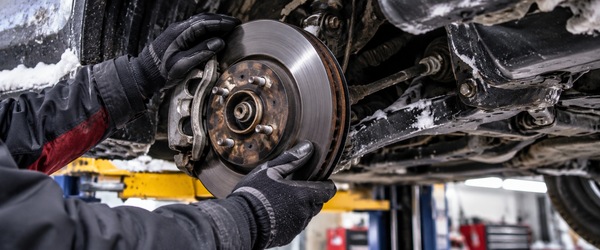
Reliable brakes are essential when driving on slippery Massachusetts roads. Have a qualified technician inspect your brake pads, rotors, and brake lines for wear or corrosion. Grinding noises, unusual vibrations, or a soft brake pedal may indicate problems that need immediate attention. An undercarriage inspection can also reveal damage caused by previous road salt exposure.
Check Your Windshield Wipers and Defrosters
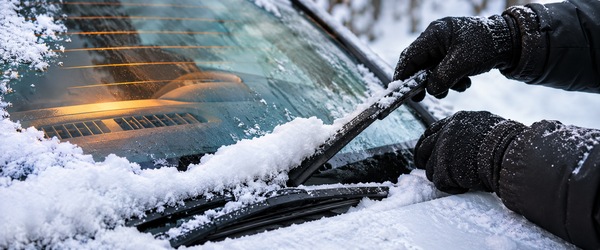
Snow, ice, and freezing rain can quickly reduce visibility. Replace worn windshield wipers, use winter-rated washer fluid, and test your front and rear defrosters. Before driving, clear snow and ice from your windows, mirrors, roof, and lights to maintain visibility and avoid creating hazards for other drivers.
Prepare a Winter Emergency Kit
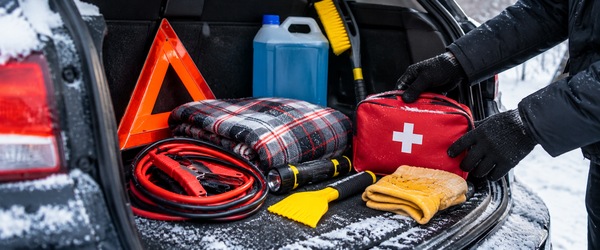
Even a well-maintained car can get stuck during severe weather. Keep an emergency kit with an ice scraper, snow brush, small shovel, flashlight, warm blankets, portable jump starter, first-aid supplies, water, and snacks. These essentials can make unexpected delays safer and more manageable, especially during longer winter trips.
How to Protect Your Car From Road Salt and Winter Paint Damage
Road salt, sand, and moisture can gradually damage your car's exterior during Massachusetts winters. At Pelicar, we believe proper cleaning and paint protection are essential for preventing unnecessary wear and keeping your vehicle looking its best.
Wash Your Vehicle Regularly Throughout Winter
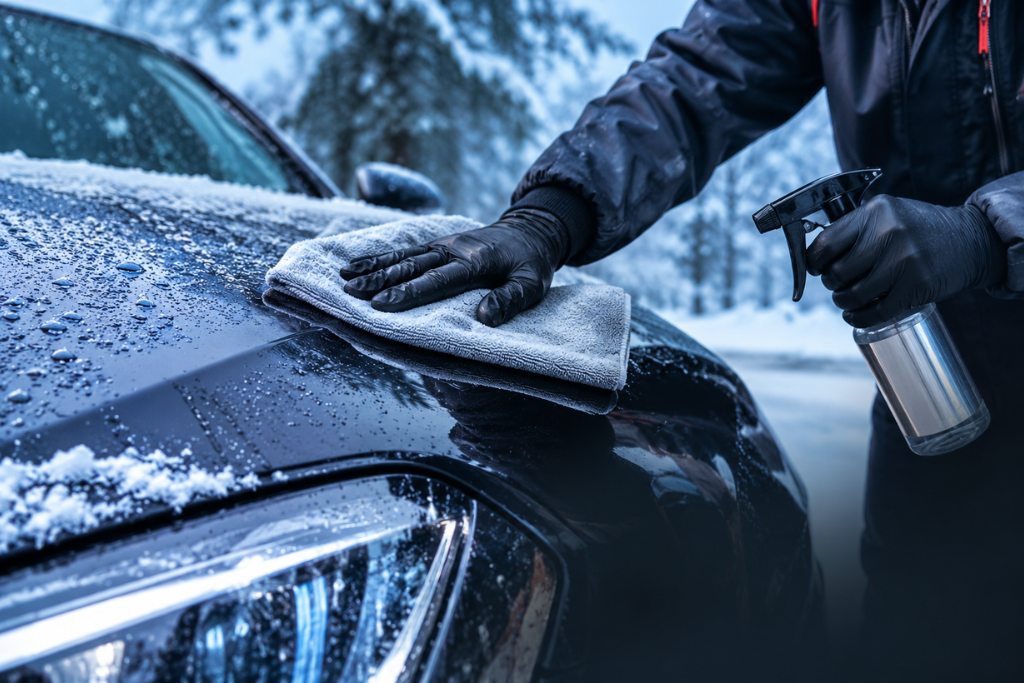
Regular washing helps remove road salt before it causes corrosion. Aim to wash your car every one to two weeks during periods of frequent salt exposure, paying special attention to wheel wells, lower body panels, and the undercarriage. Choose a car wash with undercarriage cleaning and wash when temperatures allow safe drying.
Address Paint Chips and Scratches Before Winter
Small paint chips can expose bare metal to moisture and road salt, increasing the risk of rust. Before winter, inspect your hood, bumper, wheel arches, and lower panels for damage. We recommend repairing exposed metal and existing rust before applying protective treatments to prevent further deterioration.
Understand the Difference Between Wax, Ceramic Coating, and PPF
Wax and ceramic coatings can help protect painted surfaces and make cleaning easier, while paint protection film (PPF) provides a physical barrier against minor scratches and road debris. However, none replaces regular washing or undercarriage maintenance. Combining these solutions with routine cleaning supports effective winter car care in Massachusetts.
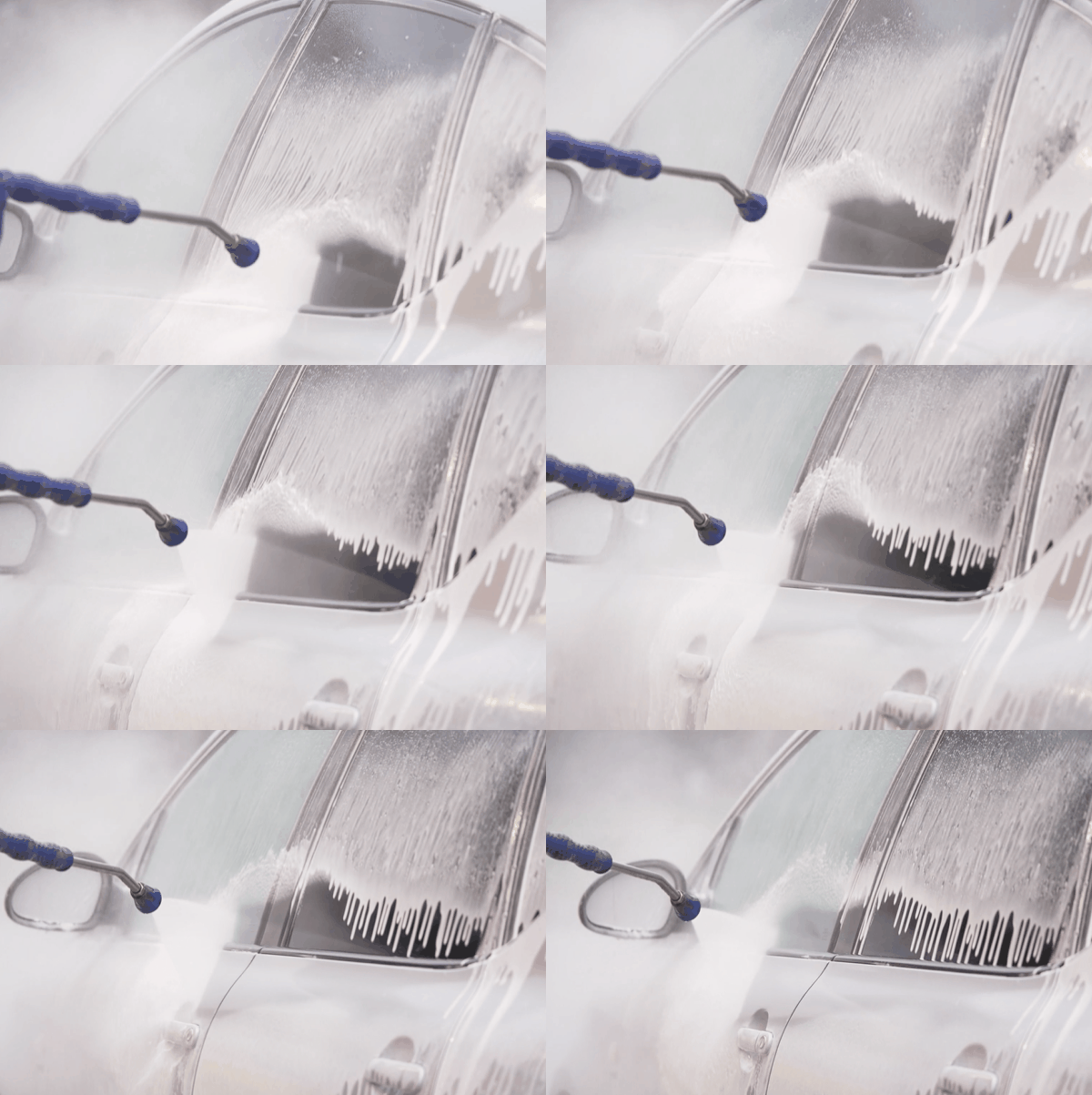
Want a quick reminder of the three essential steps for protecting your vehicle's exterior during winter?
Winter Vehicle Maintenance Tips for Malden Drivers
Winter preparation doesn't end after the first snowfall. Regular maintenance helps reduce salt damage and keeps your vehicle in better condition throughout the season.
After Driving on Salt-Treated Roads
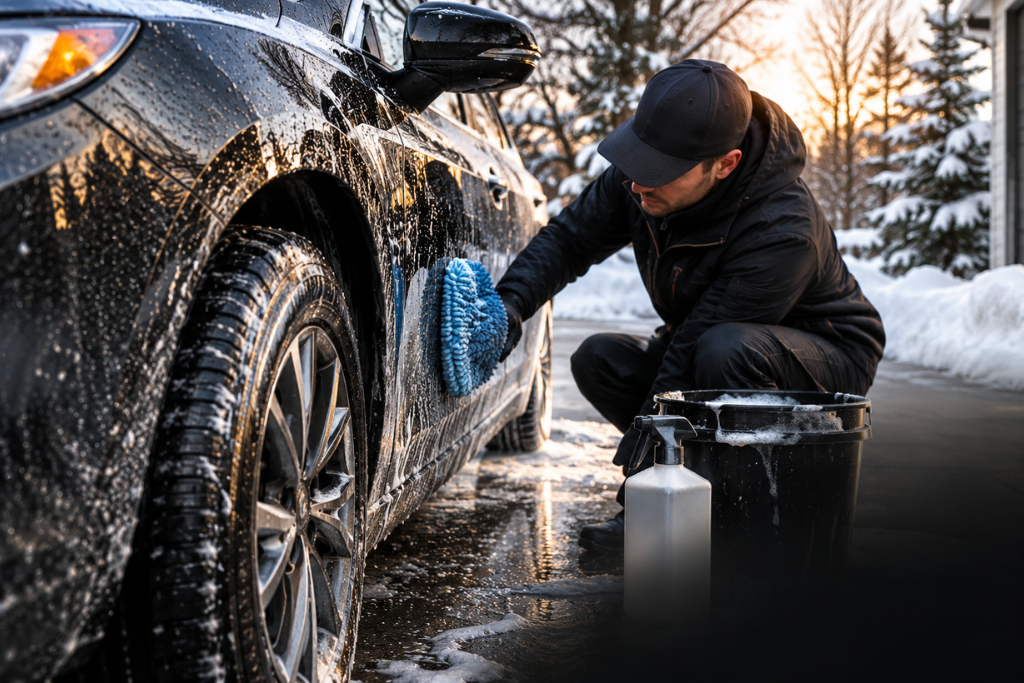
Check for salt and slush buildup around wheel wells and lower body panels. Wash your vehicle when conditions allow, especially after repeated exposure to treated roads.
After Heavy Snowfall
Remove snow and ice from your roof, windows, mirrors, hood, and lights using a suitable snow brush. Avoid sharp tools that could scratch paint or protective film, and ensure the exhaust outlet is clear before starting your vehicle.
Every Few Weeks During Winter
Check tire pressure, washer fluid, wipers, and exterior lights. Look for new paint chips, rust, or film damage, and arrange professional inspections if you notice mechanical problems.
When Should You Start Winter Car Care in Massachusetts?
Fall is the ideal time to begin winter car care in Massachusetts, giving you time to address mechanical issues and protect your vehicle before snow and road salt arrive.
We recommend a simple seasonal routine: inspect your vehicle and address existing damage before winter, wash away salt and monitor essential components throughout the season, and thoroughly clean the exterior and undercarriage once winter ends.
Consistent care helps reduce unnecessary wear and keeps your vehicle better prepared for changing Massachusetts weather.
Prepare Your Vehicle for Winter With Pelicar
Proper winter car care in Massachusetts starts with early maintenance and protection against road salt, snow, and freezing temperatures. At Pelicar in Malden, Massachusetts, we bring over 30 years of experience and premium 3M products to help protect your vehicle's exterior.
From paint protection film to vehicle wraps and window tinting, we're here to help keep your car looking its best year-round. Schedule a consultation with our team to explore the right protection for your vehicle before winter arrives.
Malden, Massachusetts | Pelicar