Window tint helps reduce interior heat, blocks harmful UV rays, cuts down glare, improves driving comfort, and protects your vehicle’s interior during the hottest months of the year. For many drivers, those benefits become noticeable almost immediately, especially after the car has been parked outside for several hours.
In Malden, summer often means warm afternoons, crowded parking areas, and daily commutes toward Boston where vehicles spend long periods exposed to direct sunlight. Those conditions make window tint much more than a cosmetic upgrade. It becomes a practical way to create a cooler cabin, reduce sun exposure, and preserve the condition of your vehicle over time.
When paired with professional window tint installation, today’s high-quality films continue delivering those benefits season after season, making summer window tint one of the most valuable upgrades many drivers choose for their vehicles.
How Window Tint Helps Keep Your Vehicle Cooler
Quality window tint helps keep a vehicle cooler by reducing the amount of solar energy that passes through the glass. Instead of allowing heat to build up inside the cabin, modern films are engineered to reject a significant portion of infrared energy before it enters the vehicle.
Why cabin temperatures stay more manageable
- Infrared heat rejection helps limit heat buildup during sunny days
- Less solar energy entering the cabin means seats, dashboards, and steering wheels stay cooler
- Vehicles parked outdoors recover to a comfortable temperature more quickly
- Air conditioning doesn’t have to work as aggressively to maintain comfort
- Drivers experience a more consistent cabin temperature during longer trips
These advantages become especially noticeable around Malden. Whether your vehicle spends the afternoon parked near Malden Center, sits outside while you’re at Oak Grove Station, or remains on residential streets throughout the workday, the amount of heat entering through untreated windows adds up quickly.
At Pelicar, we regularly hear from customers who say the difference isn’t just something they measure, it’s something they feel every time they open the door after parking outside. That’s what makes heat rejection window tint one of the most appreciated features of modern automotive window tint for summer driving.
Why UV Protection Matters Even Beyond Summer
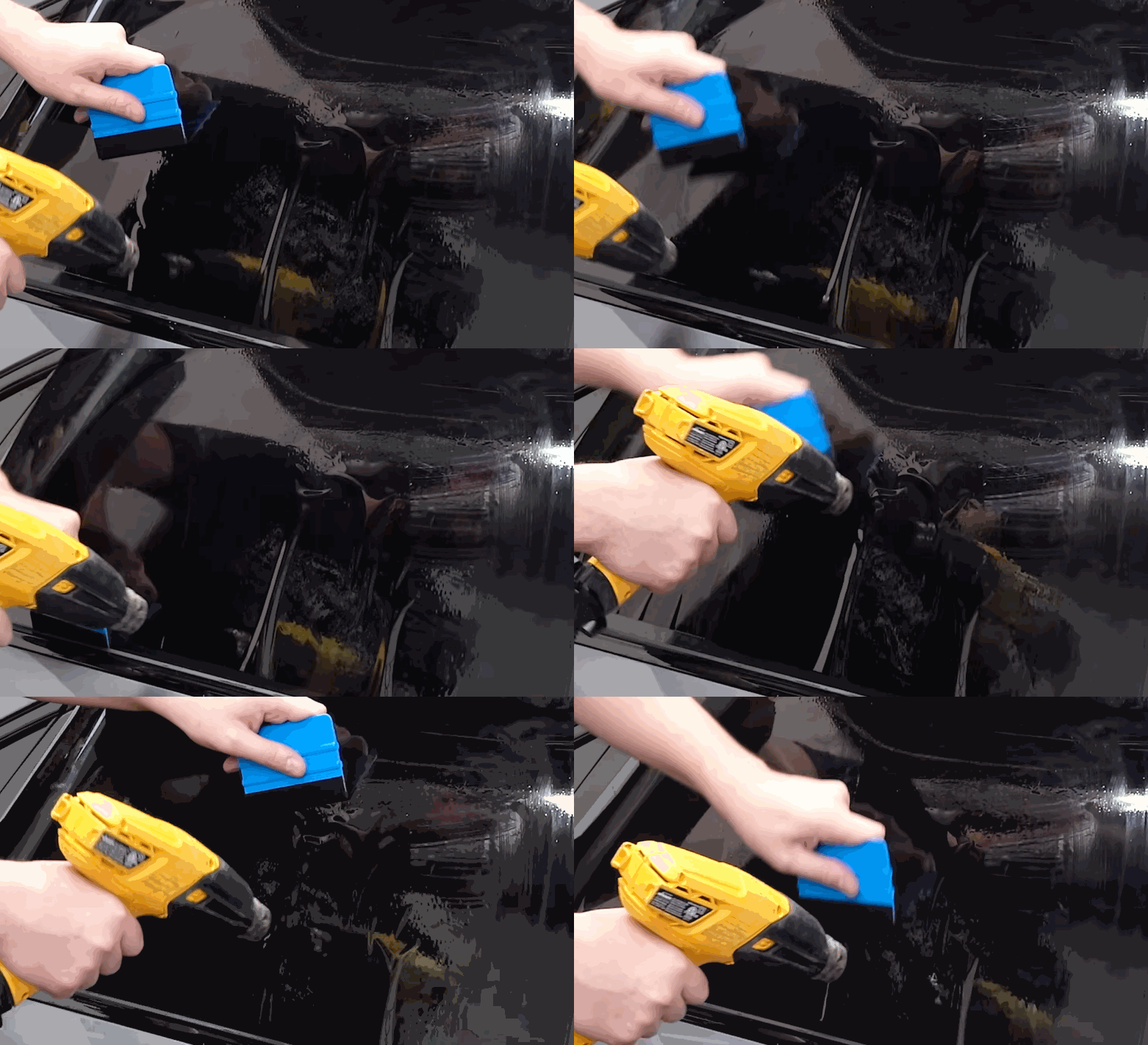
Window tint blocks a large percentage of harmful ultraviolet rays, helping protect both vehicle occupants and interior materials from long-term sun exposure. While people often associate UV protection with hot weather, ultraviolet radiation reaches your vehicle throughout the year, even on cooler or overcast days in Massachusetts.
Over time, constant UV exposure gradually affects nearly every surface inside the cabin. Dashboards begin to fade, leather loses moisture and flexibility, plastic trim becomes more brittle, and upholstery slowly changes color. These changes rarely happen overnight, but they accumulate year after year until they become difficult to ignore.
Installing UV protection window tint helps slow that process by reducing the amount of ultraviolet radiation entering through the glass. The result is better car interior protection for components that are expensive to repair or replace, while also reducing direct UV exposure for everyone inside the vehicle.
Automotive UV protection is one of those benefits that continues working quietly in the background every day, regardless of the season. That’s part of what makes quality window tint valuable long after summer has ended.
How Window Tint Reduces Driver Fatigue During Hot Weather
Long periods behind the wheel become more comfortable when the cabin stays cooler and your eyes aren’t constantly adjusting to harsh sunlight. That’s why window tint can contribute to a less tiring driving experience during the summer months.
Factors that help reduce driving fatigue
- Less glare from direct sunlight during morning and afternoon commutes
- More stable interior temperatures throughout the drive
- Reduced eye strain caused by bright reflections
- Improved visibility without excessive brightness entering the cabin
- A more comfortable environment during stop-and-go traffic
These improvements are especially noticeable for drivers traveling between Malden and Greater Boston during rush hour. Sitting in traffic with intense sunlight coming through untreated side windows can quickly become uncomfortable, particularly during the warmer months.
Glare reduction window tint helps create a more balanced driving environment, allowing you to focus on the road instead of constantly dealing with heat and bright reflections. While it won’t change traffic conditions, it can certainly make time spent behind the wheel feel less demanding.
Which Window Tint Performs Best in Summer?
Not every window tint performs the same way during summer. While all films provide some level of shading, the amount of heat rejection, UV protection, and long-term durability varies considerably depending on the material.
Comparing the most common window tint options
- Dyed window tint: An economical option that mainly improves appearance and provides basic shading with modest heat reduction.
- Carbon window tint: Offers better heat management than dyed films while maintaining a clean appearance and good durability.
- Ceramic window tint: Delivers the highest level of heat rejection, excellent UV protection, outstanding clarity, and no interference with electronic signals.
Choosing between these window tint options usually comes down to balancing budget and performance. Some drivers simply want a darker appearance, while others prioritize cooler cabin temperatures during daily commuting or extended highway driving.
For drivers focused on maximum comfort during Massachusetts summers, ceramic window tint is often the preferred choice because it delivers exceptional performance without requiring extremely dark glass. It combines strong heat rejection with long-term durability, making it one of the best window tint for heat solutions currently available.
At Pelicar, we encourage customers to compare films based on how they perform instead of how they look. Once drivers understand the differences in technology, selecting the right window tint becomes much easier than simply choosing the darkest option.
Why Summer Is a Great Time for Window Tint Installation
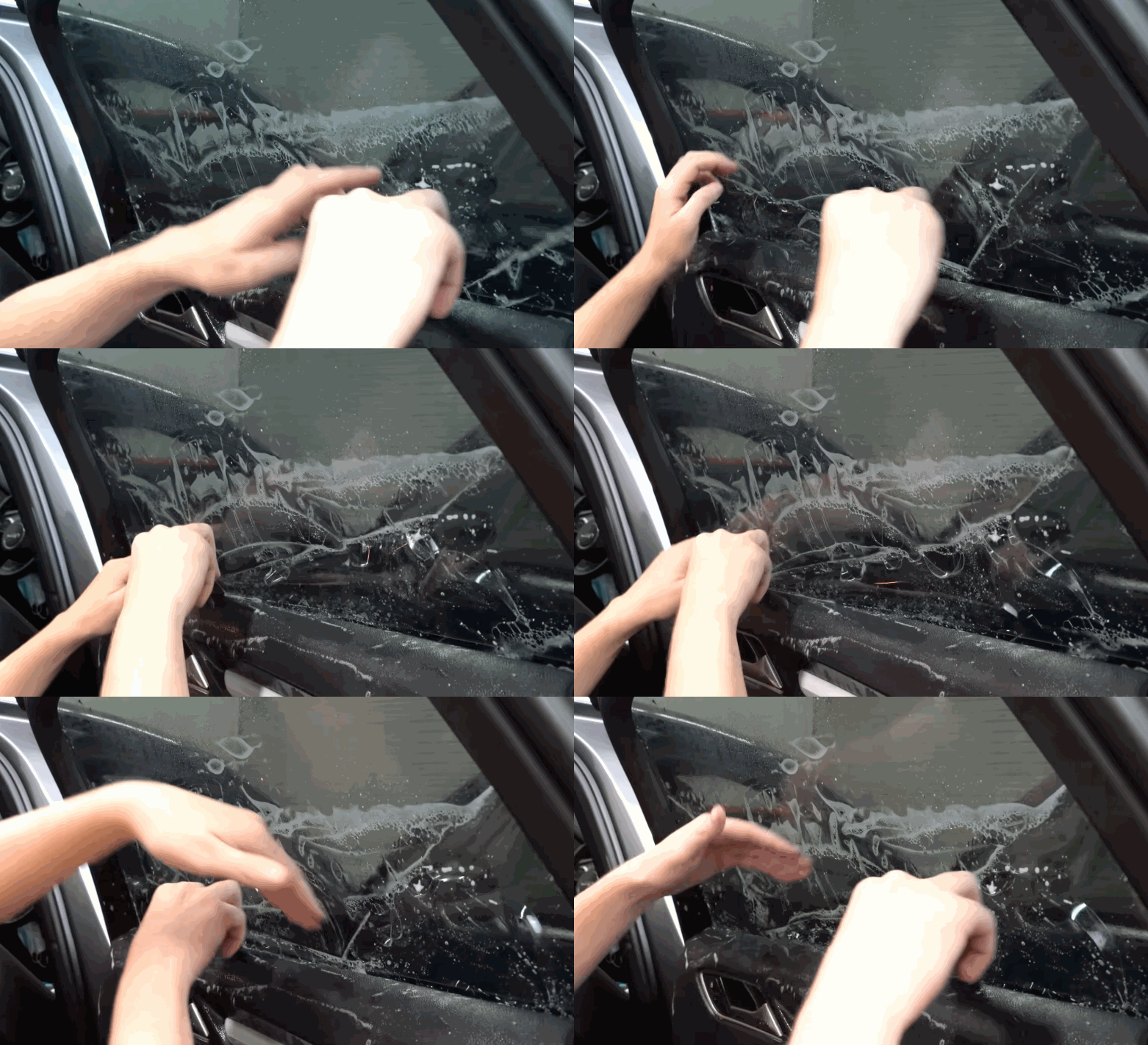
Summer is one of the best times to schedule window tint installation because the benefits become noticeable almost immediately. As temperatures rise, drivers quickly experience cooler cabin conditions, reduced glare, and better overall comfort, making the investment feel worthwhile from the very first drive.
Many people choose to install tint before the hottest part of the season arrives. Doing so means spending less of the summer dealing with overheated seats, hot steering wheels, and excessive sunlight coming through untreated glass. Instead of waiting until discomfort becomes routine, drivers can enjoy improved comfort throughout the months when it’s needed most.
Why many vehicle owners schedule tint before peak summer
- Immediate reduction in interior heat buildup
- Better comfort during daily commuting
- Improved protection for interior materials during the strongest UV months
- Less dependence on air conditioning to cool the cabin
- Long-term benefits that continue well beyond summer
Although summer is a popular season for tint, the quality of the installation matters much more than the time of year. Professional window tint installation ensures the film is applied correctly, cures properly, and continues performing for years to come. Quality window tinting services are designed to deliver lasting results regardless of when the film is installed.
Common Mistakes Drivers Make When Choosing Summer Window Tint
One of the biggest mistakes drivers make is assuming that the darkest film automatically delivers the best performance. In reality, heat rejection depends far more on the technology inside the film than on how dark it appears from the outside.
There are several details that deserve just as much attention as visible light transmission, yet they’re often overlooked during the buying process.
Common mistakes to avoid
- Choosing tint based only on darkness instead of heat-blocking performance
- Comparing products solely by price
- Ignoring UV rejection specifications
- Overlooking manufacturer warranty coverage
- Forgetting to verify legal window tint requirements in Massachusetts
A thorough window tint comparison should focus on long-term performance rather than appearance alone. Two films can look nearly identical while providing very different levels of heat blocking, UV protection, and durability.
At Pelicar, we believe drivers make better decisions when they understand those differences upfront. Our goal is to recommend the film that best fits each vehicle and driving style, not simply the one that looks the darkest or carries the highest price tag.
Is Window Tint Worth It for Summer Driving in Malden?
For many drivers, window tint is absolutely worth it because the benefits are experienced almost every time they get behind the wheel during the summer. Lower cabin temperatures, improved comfort, and added protection for the vehicle’s interior continue providing value long after installation day.
The biggest advantage isn’t one dramatic improvement. It’s the combination of several smaller ones that become part of your everyday driving routine. A cooler cabin after work. Less glare during the commute home. Interior materials that stay in better condition after years of sun exposure.
Long-term advantages many drivers appreciate
- More comfortable cabin temperatures throughout the summer
- Reduced fading and wear on interior materials
- Better visibility in bright sunlight
- Increased comfort during daily commuting
- Added long-term vehicle protection
These window tint benefits are especially meaningful around Malden, where many vehicles spend hours parked outdoors before heading into traffic toward Greater Boston. Whether your car sits outside during the workday or you’re regularly commuting through busy routes, quality tint continues working quietly every mile you drive.
For window tint for daily drivers, the value often comes from improving the ownership experience rather than simply changing the appearance of the vehicle.
Conclusion: Stay Cooler and Better Protected This Summer
Quality window tint offers much more than a different look. It helps reduce cabin heat, blocks harmful UV rays, minimizes glare, improves visibility, and helps preserve your vehicle’s interior throughout the hottest months of the year.
Those advantages become especially valuable for drivers throughout Malden and Greater Boston, where outdoor parking, daily commuting, and long periods of summer sun create challenging conditions for both vehicles and their occupants. Choosing the right film and investing in professional window tint installation helps ensure those benefits continue for years rather than just one season.
At Pelicar, we’re proud to provide window tinting services and window tint installation designed around the way Massachusetts drivers actually use their vehicles. Whether you’re looking for maximum heat rejection, better UV protection, or a balanced solution that fits your budget, we’ll help you choose the option that makes the most sense for your needs.
If you’re ready to stay cooler and drive more comfortably this summer, contact Pelicar today. Our team is here to answer your questions, recommend the right film for your vehicle, and provide professional window tint installation in Malden, MA.
4.7 STARS 773 Google reviews
Window tinting service in Malden, Massachusetts