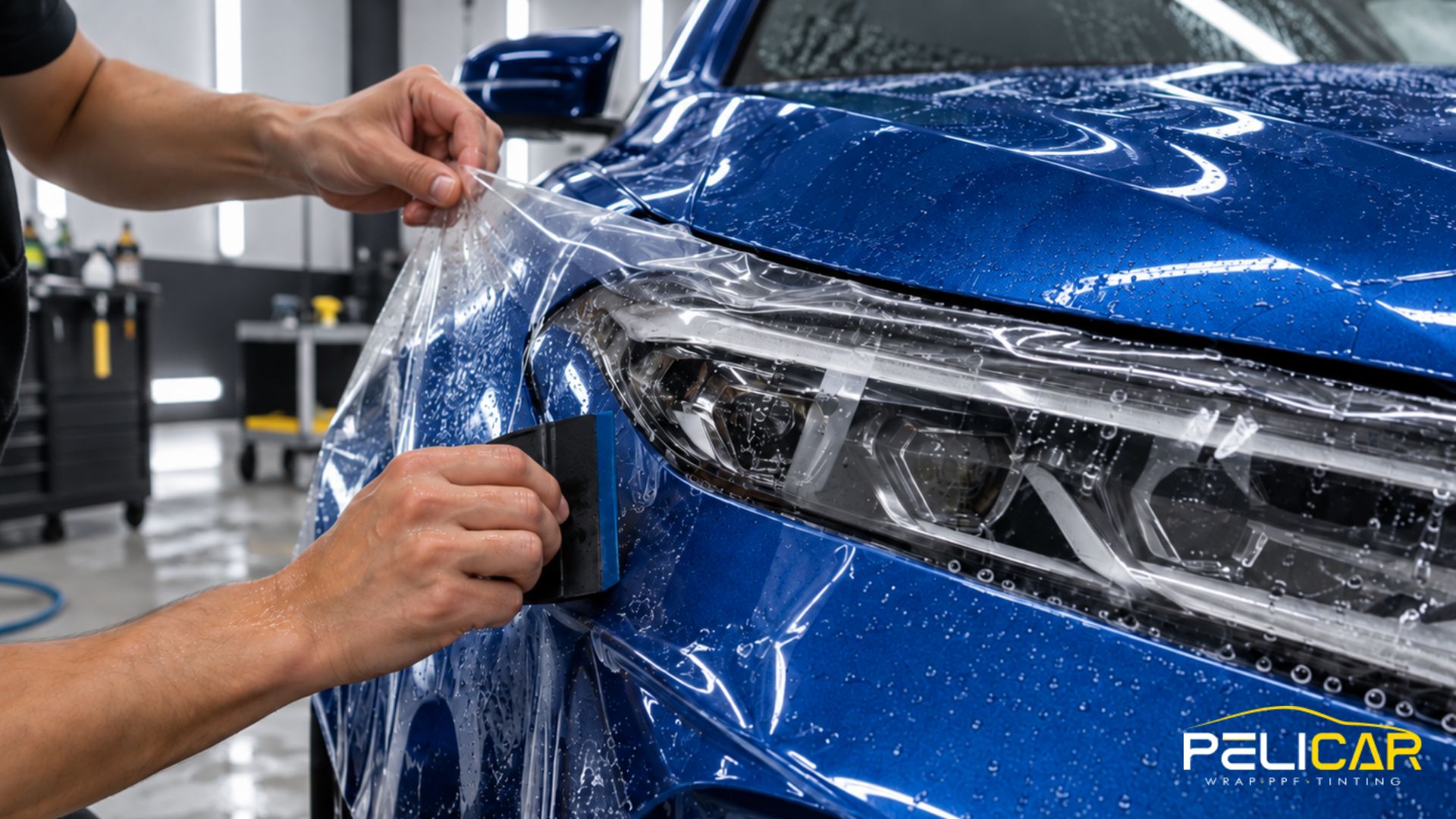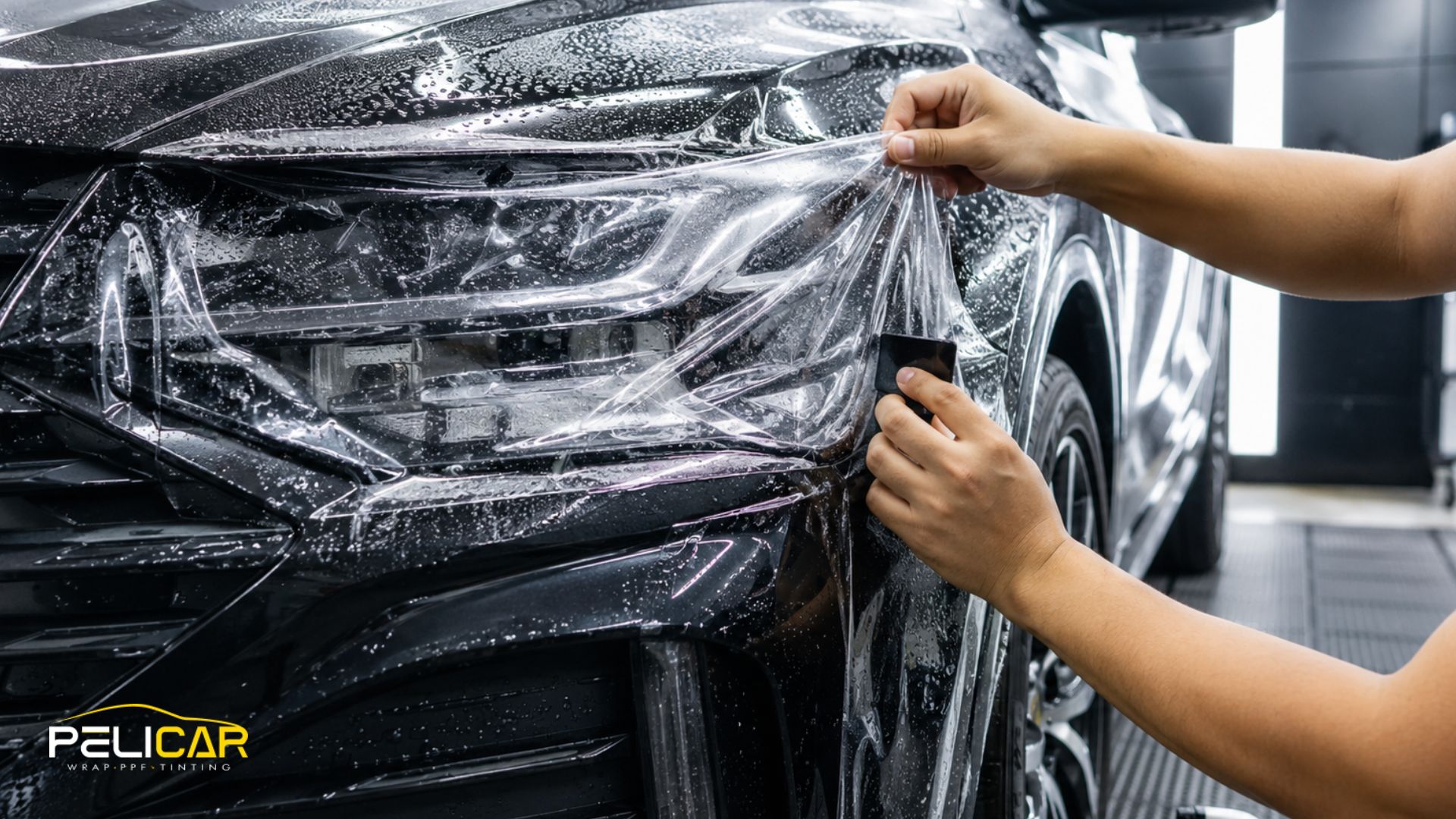
Modern paint protection film typically lasts between 5 and 10 years, and many premium products can reach or exceed that range when properly maintained. The exact lifespan depends on several variables, including the quality of the film, the precision of the installation, how the vehicle is driven, and the environmental conditions it faces throughout the year.
Massachusetts presents a unique test for any protective product applied to a vehicle. Winter road salt, frequent temperature swings, coastal humidity in some areas, and long stretches of highway driving all contribute to wear over time. Even with those challenges, today’s paint protection film is engineered to provide years of reliable defense against chips, stains, and surface damage.
The good news is that modern paint protection film durability is significantly better than it was a decade ago. With the right product and proper care, vehicle owners can expect strong performance throughout a substantial portion of their ownership experience, making PPF lifespan a realistic long-term investment rather than a short-term solution.
What Determines How Long Paint Protection Film Lasts?
The lifespan of paint protection film is influenced by much more than the film itself. While product quality is important, longevity is really the result of several technologies and design features working together over time.
Key factors that influence PPF durability
- Film construction and material thickness
- Quality of the protective top coat
- Self-healing capabilities
- Resistance to staining and UV degradation
- Manufacturer engineering standards and testing requirements
One of the biggest advancements in recent years has been the development of self-healing PPF. These films are designed to recover from many light surface marks when exposed to heat, helping them maintain a cleaner appearance for longer periods. That technology not only improves aesthetics but also contributes to long-term performance.
Premium paint protection film products also tend to feature stronger resistance to environmental contamination, discoloration, and weather-related degradation. While lower-tier films may provide short-term protection, they often lack the long-term stability that higher-end products are engineered to deliver.
At Pelicar, we work with modern film technologies specifically designed for long-term performance because we know Massachusetts drivers expect protection that continues performing year after year, not just during the first season after installation.
How Massachusetts Weather Affects Paint Protection Film
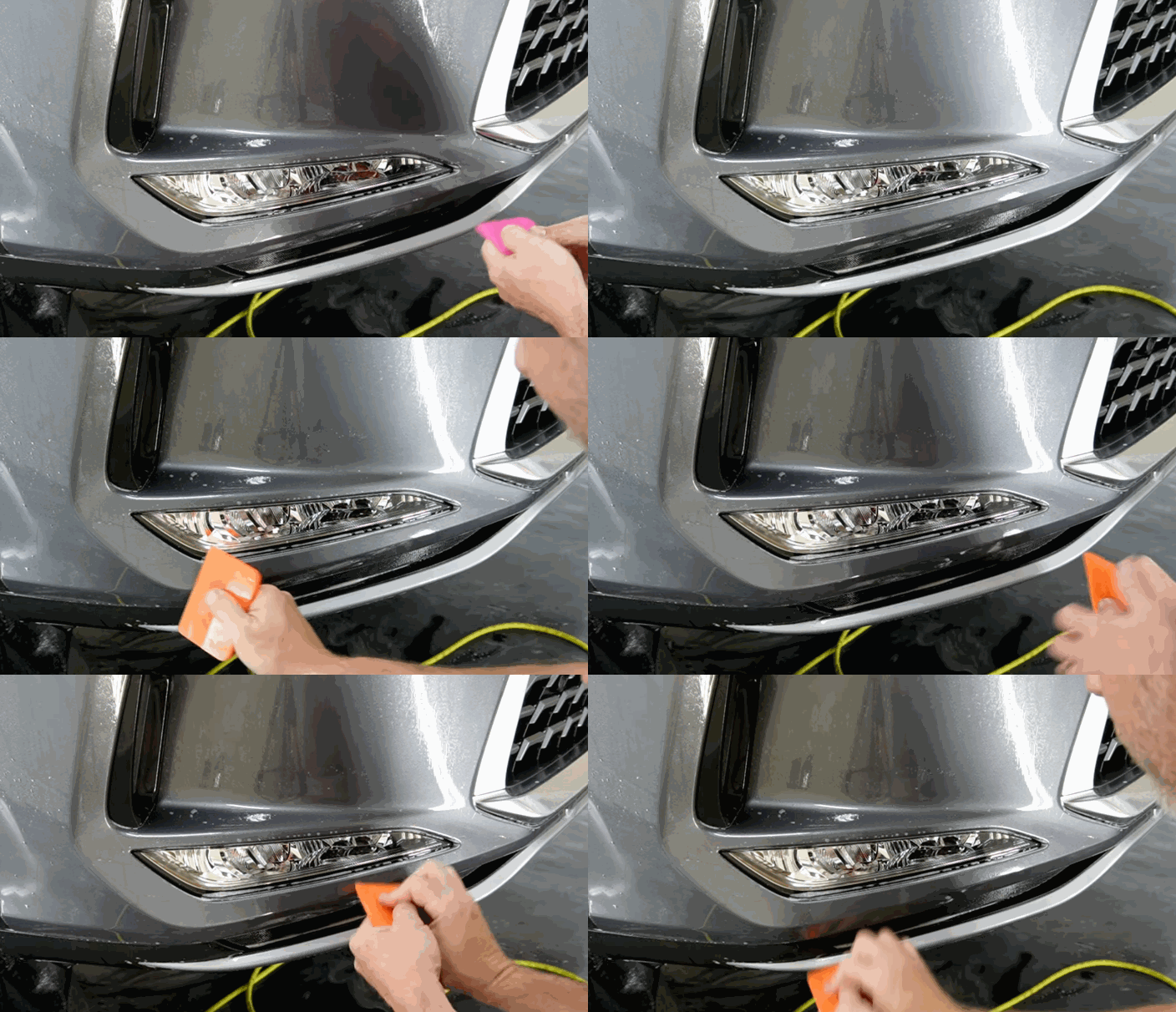
Climate plays a major role in how paint protection film ages over time. A vehicle driven exclusively in mild weather will experience different conditions than one exposed to everything Massachusetts throws at it throughout the year.
Winter is often the most demanding season. Road salt, sand, slush, and moisture create a constant cycle of exposure that can challenge vehicle surfaces. Then, just as quickly, temperatures can swing dramatically, creating repeated freeze-thaw cycles that put stress on exterior materials.
Environmental factors that influence PPF performance
- Winter salt and chemical de-icers
- Road sand and abrasive debris
- Seasonal temperature fluctuations
- UV exposure during warmer months
- Humidity and moisture accumulation
Massachusetts highways add another layer of exposure. Vehicles traveling regularly through Greater Boston, Route 1 corridors, I-93, and other major routes encounter a steady stream of road debris, construction materials, and contaminants that impact the front end of the vehicle.
This is exactly why paint protection film in Massachusetts continues to grow in popularity. Vehicle paint protection isn’t just about appearance here. It’s about helping vehicles withstand environmental conditions that naturally accelerate wear. When quality film is paired with proper care, PPF performance can remain strong despite these demanding conditions.
Does Paint Protection Film Wear Out Faster on Daily Drivers?
Higher-mileage vehicles generally expose paint protection film to more hazards, but quality film is specifically engineered to handle regular use. Daily driving doesn’t automatically shorten film life dramatically, though it does increase the amount of stress the film absorbs.
A vehicle commuting every day through Boston-area traffic will naturally encounter more road debris, bug residue, construction zones, and highway contaminants than a car driven only on weekends. The key difference is that PPF is designed to take that abuse instead of the paint underneath.
How different driving habits affect exposure levels
- Daily commuters encounter more debris and road contaminants
- Highway drivers experience higher-speed impacts from rocks and gravel
- Long-distance travelers face more environmental exposure overall
- Weekend vehicles typically accumulate wear more slowly
- Urban drivers often deal with more construction-related debris
One thing we’ve noticed over the years is that daily driver paint protection often provides some of the greatest value because those vehicles face the most opportunities for paint damage. The more time a vehicle spends on the road, the more chances there are for chips, stains, and surface wear to occur.
From a practical standpoint, quality PPF installation becomes even more important for drivers who rely on their vehicles every day. Long-term paint protection is often most appreciated by the people who put the most miles on their cars.
Signs Your Paint Protection Film Is Reaching the End of Its Life
Aging film typically shows visible changes before it completely loses effectiveness. While modern products are designed to last for many years, there comes a point when replacement becomes the better option.
Recognizing those signs early can help vehicle owners maintain both appearance and protection without waiting until the film begins failing more noticeably.
Common indicators of aging PPF
- Loss of clarity or gloss compared to surrounding paint surfaces
- Persistent staining that remains visible after thorough cleaning
- Edge lifting or separation from the vehicle surface
- Surface cracking, brittleness, or visible deterioration
- Reduced self-healing performance when exposed to heat
Not every film will show these signs at the same rate. Environmental exposure, maintenance habits, and product quality all influence how aging PPF appears over time. Some vehicles may show only minor changes after many years, while others develop more noticeable wear sooner.
At Pelicar, we regularly help vehicle owners evaluate film condition and determine whether replacement is necessary. In many cases, a professional inspection can provide a much clearer picture of remaining performance than visual appearance alone.
Understanding these signs is an important part of paint protection film maintenance because it helps ensure the film continues doing the job it was installed to do in the first place.
Can Proper Maintenance Extend PPF Lifespan?
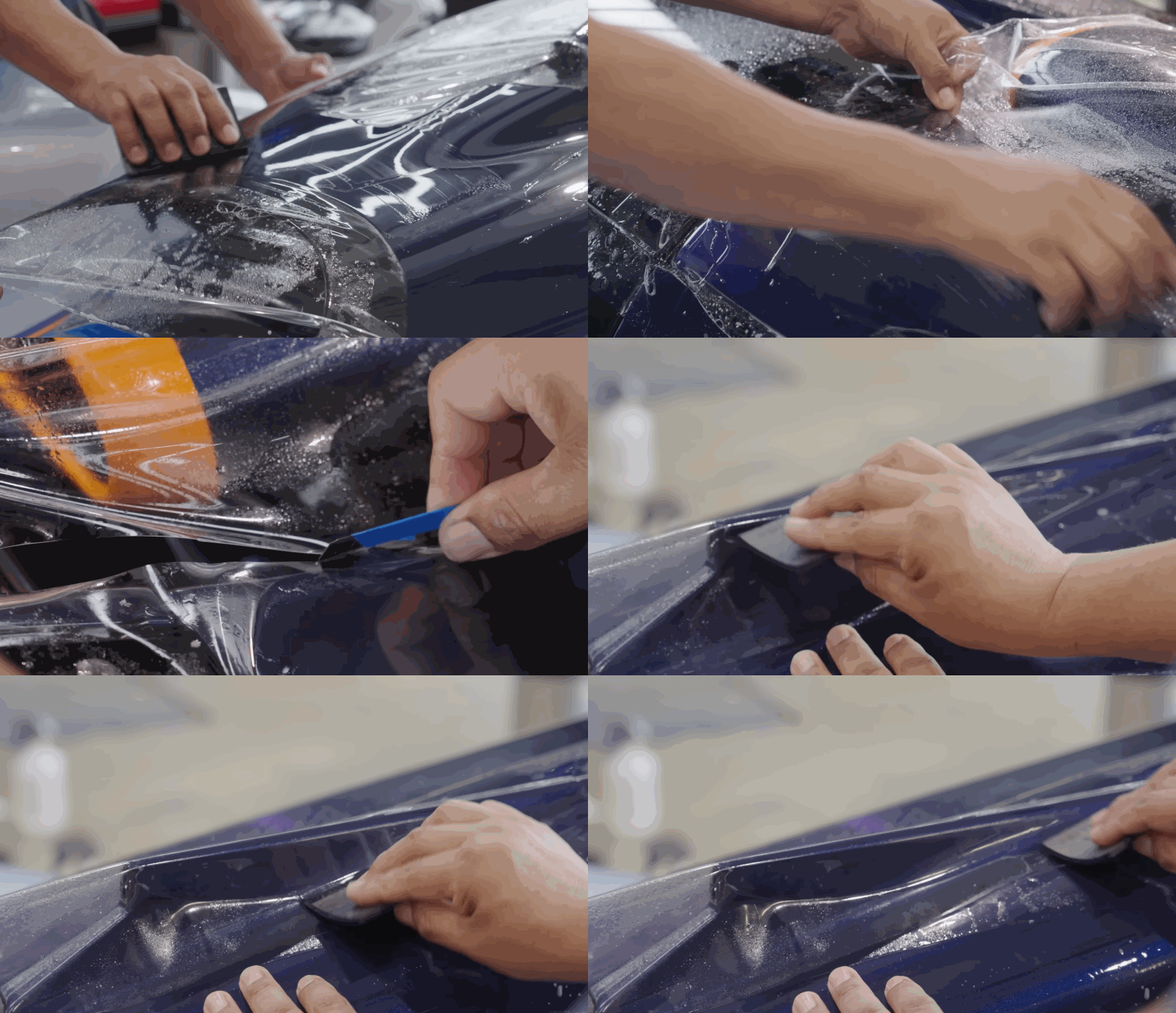
Yes, routine maintenance can absolutely help maximize both the performance and longevity of paint protection film. While even the best film will age eventually, how it’s cared for throughout its life can make a noticeable difference in how long it maintains its appearance and protective qualities.
One of the biggest advantages of modern PPF is that it doesn’t require complicated upkeep. Most of the habits that help preserve the film are the same practices that benefit the vehicle itself. The goal is simply to minimize unnecessary stress while preventing contaminants from sitting on the surface for extended periods.
Habits that support paint protection film longevity
- Wash the vehicle regularly to remove dirt, salt, and environmental contaminants
- Remove bug residue, bird droppings, and tree sap as soon as possible
- Use cleaning products designed for automotive finishes and protective films
- Avoid aggressive scrubbing or abrasive materials
- Keep the surface free from contamination buildup that can affect appearance over time
Proper paint protection film care does more than keep the vehicle looking clean. It helps preserve the self-healing top layer, reduces staining risks, and allows the film to continue performing as intended. Consistent PPF maintenance is often one of the easiest ways to maximize the value of the investment over the years.
Is Modern Paint Protection Film More Durable Than Older Generations?
Yes, today’s films are significantly more advanced than the products available ten or even fifteen years ago. While early versions of PPF were effective at preventing paint damage, they lacked many of the refinements drivers now expect from a premium protective product.
Older films were more prone to yellowing, staining, visible edges, and surface wear. They provided protection, but appearance and longevity often became concerns as the film aged. Modern paint protection film has addressed many of those limitations through improved materials and engineering.
Areas where advanced PPF technology has improved
- Enhanced self-healing capabilities for minor scratches and swirl marks
- Better stain resistance against environmental contaminants
- Increased UV stability to reduce discoloration over time
- Improved optical clarity for a more invisible appearance
- Longer manufacturer warranties backed by extensive testing
One of the most important developments has been self-healing paint protection film. The ability for minor surface imperfections to diminish with heat exposure has dramatically changed how films maintain their appearance over the years.
At Pelicar, we’ve watched these advancements happen firsthand. The difference between older-generation films and modern products is substantial. Today’s films are not only more protective, but they also stay clearer, cleaner, and more visually appealing throughout a much longer service life.
Is Paint Protection Film Worth It for Massachusetts Drivers Long Term?
For many vehicle owners, the answer is yes. Paint protection film helps reduce the impact of the very conditions that Massachusetts drivers encounter on a regular basis, making it a practical long-term protection strategy rather than simply an appearance upgrade.
Vehicles throughout the state face a combination of challenges that can gradually wear down exterior finishes. Highway commuting, winter road treatment chemicals, seasonal debris, and year-round environmental exposure all contribute to paint damage over time. PPF creates a sacrificial layer designed to absorb much of that wear before it reaches the paint itself.
Reasons many drivers see long-term value in PPF
- Protection against rock chips and highway debris
- Reduced paint wear from winter road conditions
- Preservation of vehicle appearance over time
- Fewer paint correction requirements throughout ownership
- Additional confidence when driving in demanding conditions
Vehicle paint protection in Massachusetts often becomes more valuable the longer someone plans to keep their car. While no product can eliminate every form of damage, paint protection film benefits can significantly reduce the amount of wear that accumulates during years of daily use.
For drivers focused on long-term vehicle protection, PPF is often viewed as a preventative measure rather than a repair solution. Protecting the finish before damage occurs is usually easier and less expensive than correcting it afterward.
Conclusion: Getting the Most From Paint Protection Film in Massachusetts
Most modern paint protection film products last between 5 and 10 years or more, depending on film quality, maintenance habits, driving conditions, and environmental exposure. Premium films paired with proper care often remain effective well beyond what many drivers expect.
Massachusetts presents unique challenges for vehicle surfaces. Winter salt, temperature fluctuations, road debris, and heavy highway commuting all contribute to long-term wear. That’s why both product selection and installation quality play such an important role in overall film longevity.
Choosing a high-quality film, maintaining it properly, and working with an experienced installer can help maximize both protection and appearance throughout the life of the vehicle.
At Pelicar, we help drivers throughout Massachusetts evaluate their options, understand expected film lifespan, and choose protection solutions that fit their driving habits. If you’re considering paint protection film or want to evaluate the condition of your current film, contact us today for professional recommendations, inspections, and PPF installation services.
4.7 STARS 773 Google reviews
Window tinting service in Malden, Massachusetts