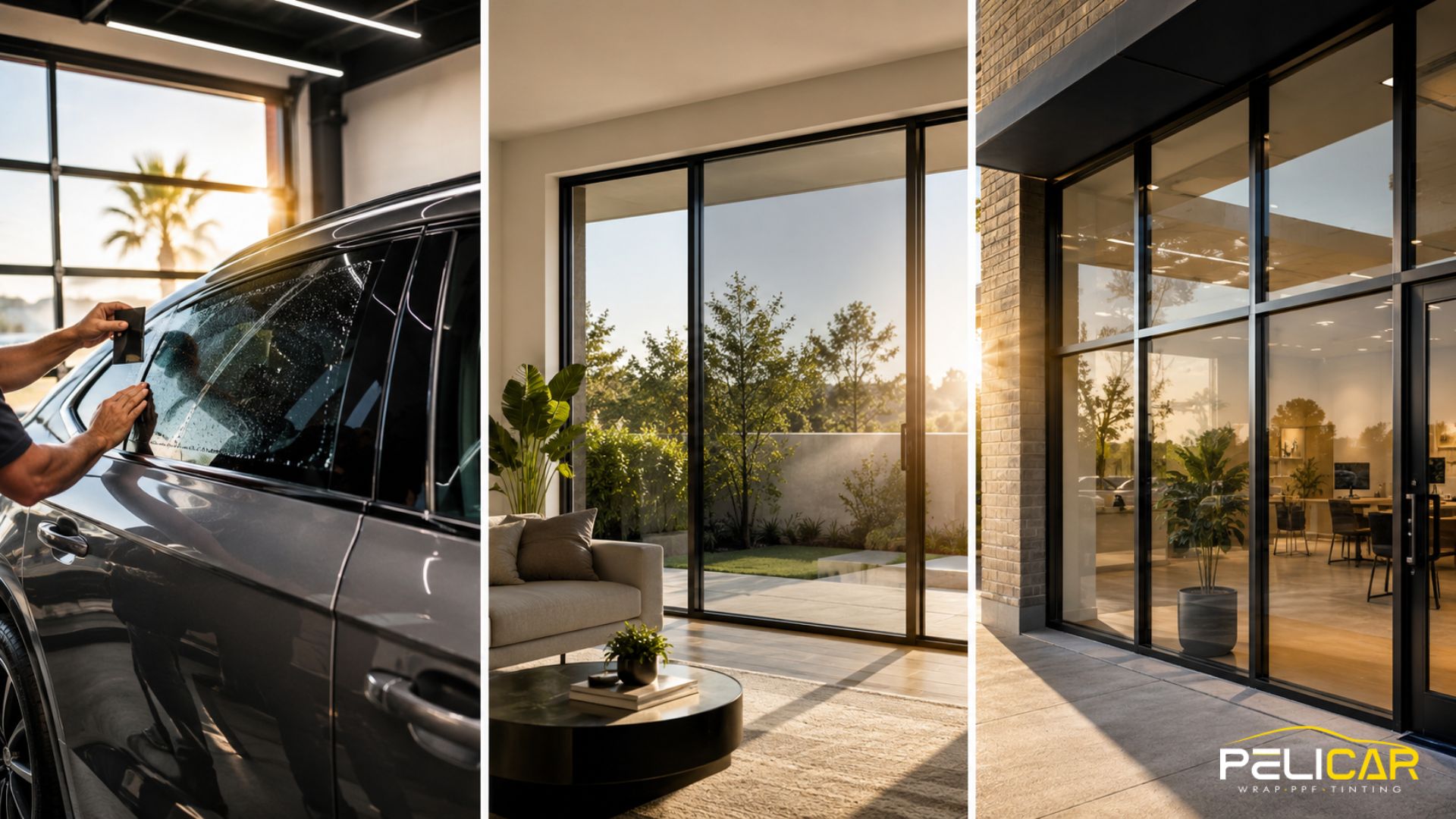
When most people start researching window tint, they usually begin with one question: “How dark should I go?” It’s understandable. Darkness is the first thing you notice when looking at a tinted vehicle. What often gets overlooked, however, is the performance side of the equation.
Around Malden, we see this all the time. Drivers spend hours commuting toward Boston, leave their vehicles parked outdoors near Malden Center, or deal with hot summer afternoons where the cabin temperature climbs much faster than expected. In those situations, the real value of window tint has very little to do with appearance and everything to do with comfort, heat management, and UV protection.
That’s why this article isn’t about choosing the darkest film. It’s about understanding what actually helps keep a vehicle cooler, protects interior materials, and improves the driving experience over the long run. As a team that works with window tinting services every day, we want to break down what matters most when heat and UV protection are your priorities.
Looking Beyond Shade Percentage: What Actually Blocks Heat?
A common misconception is that darker glass automatically equals better protection from heat. In reality, the darkness of a film and its ability to reject heat are two completely different things.
Modern film technology has made it possible for a lighter-looking tint to outperform a darker one when it comes to keeping heat out of the vehicle. The secret lies in how the film interacts with solar energy rather than how much visible light it blocks.
The factors that influence heat rejection
- Infrared heat rejection, which targets the portion of sunlight responsible for most heat buildup
- UV blocking capabilities that reduce harmful ultraviolet exposure
- Film construction and material quality
- The ability to reflect or absorb solar energy before it enters the cabin
- Overall technology used within the film itself
This is why two vehicles parked side by side can have window tint that looks nearly identical while delivering completely different levels of comfort inside. One may simply darken the glass, while the other actively reduces heat transfer.
At Pelicar, helping drivers understand this difference is a big part of the conversation. We spend less time talking about darkness percentages and more time discussing how a heat rejection window tint actually performs during daily driving in Massachusetts.
Why Ceramic Window Tint Has Become the Benchmark
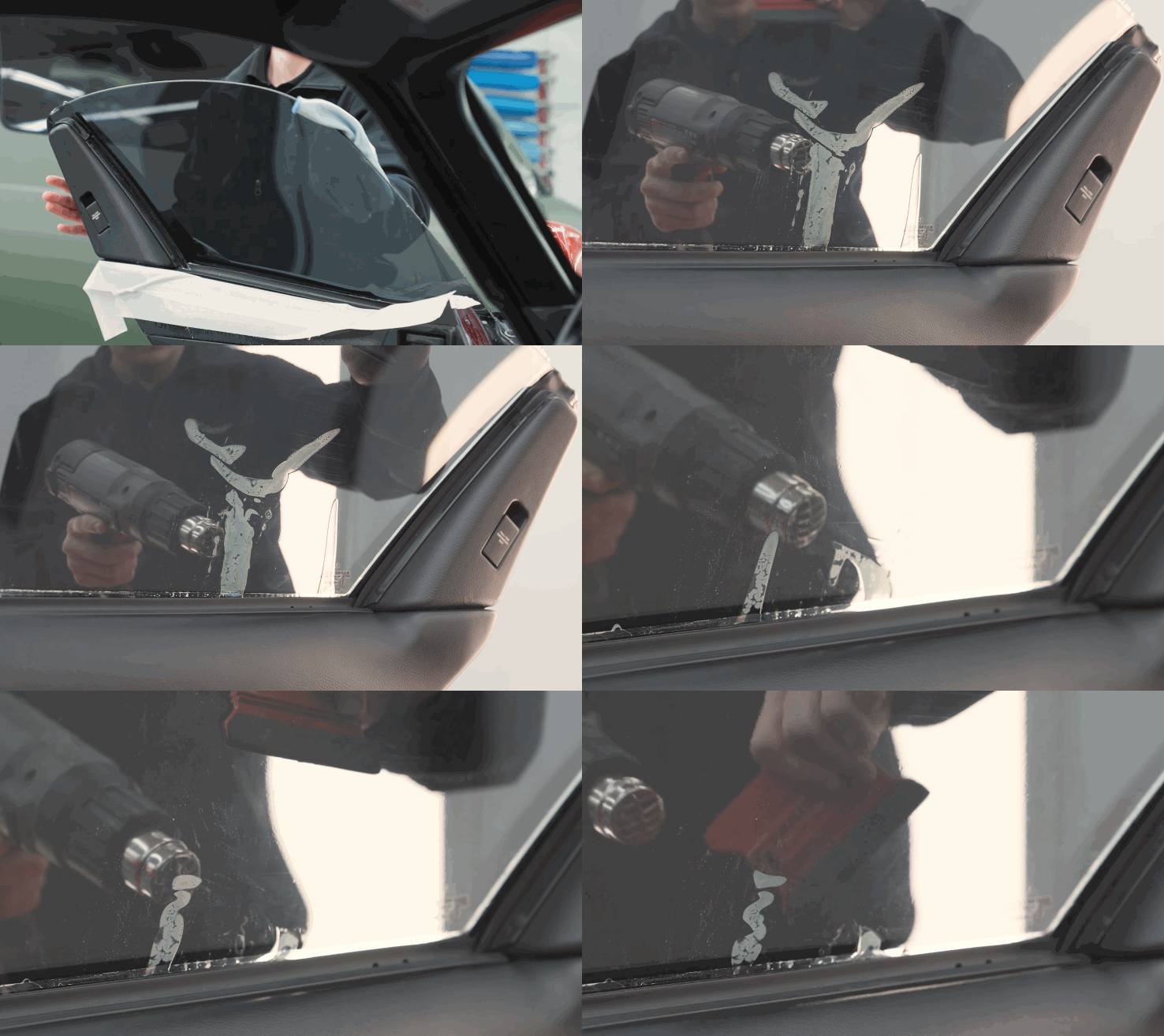
The rise of ceramic window tint changed the conversation around automotive window tint almost entirely. Instead of focusing only on appearance, drivers suddenly had access to films engineered specifically for performance. This is how ceramic technology stands apart:
Heat Management
Ceramic particles are designed to help block infrared heat more effectively than traditional dyed films, making the cabin feel noticeably cooler during warmer months.
Signal-Friendly Performance
Unlike some older metallic films, ceramic tint does not interfere with GPS navigation, cell phone reception, Bluetooth connections, or radio signals.
Optical Clarity
One of the biggest ceramic tint benefits is visibility. The film can deliver strong performance while maintaining a clean, natural view through the glass.
Long-Term Durability
Premium window tint products built with ceramic technology are known for resisting fading, discoloration, and performance loss over time.
As vehicles have become more technologically advanced and drivers have become more informed about film performance, ceramic tint has naturally moved toward the top of many recommendation lists. It delivers the kind of balanced protection that modern drivers are looking for without requiring significant compromises elsewhere.
The reason it continues to gain popularity is simple: people can actually feel the difference when they spend enough time inside the vehicle.
The Hidden Impact of UV Exposure on Your Vehicle
Most drivers associate UV exposure with skin protection, but the vehicle itself is constantly affected by sunlight as well.
Over time, dashboards can fade. Leather can dry out and crack. Plastic trim can become brittle. Upholstery can lose color and texture. These changes usually happen gradually, which is why many people don’t immediately connect them to sun exposure. Yet UV radiation is one of the biggest contributors to interior aging.
What surprises some Massachusetts drivers is that this process doesn’t stop when summer ends. Even during cooler months, UV rays continue reaching the interior through untreated glass. The temperatures may be lower, but the exposure remains.
That’s where UV protection window tint provides value year-round. By reducing the amount of ultraviolet radiation entering the vehicle, it helps preserve interior materials that are expensive and difficult to replace. Whether it’s a touchscreen display, leather seating, or dashboard surfaces, automotive UV protection works quietly in the background every day.
When viewed from that perspective, window tint becomes less about immediate comfort and more about protecting the condition of the vehicle over the years ahead.
Matching Window Tint Performance to Your Driving Habits
The best window tint for heat isn’t necessarily the same for every driver. What works perfectly for one person may be unnecessary for someone else. The right choice often depends on how the vehicle is actually used throughout the week.
Different driving patterns create different demands on the film.
- Daily commuters navigating Route 60 and Greater Boston traffic often benefit from stronger heat rejection capabilities
- Vehicles parked outdoors near Malden Center or Oak Grove Station typically experience more heat buildup throughout the day
- Professionals who spend hours driving for work may prioritize long-term comfort and glare reduction
- Families taking regular road trips often focus on passenger comfort and UV protection
- Owners of newer vehicles frequently prioritize interior preservation and long-term appearance
This is why we rarely approach automotive window tint solutions as one-size-fits-all products. A vehicle that spends most of its life in a garage has different needs than one parked outdoors year-round. At Pelicar, those differences matter.
We spend time learning how customers use their vehicles because the most effective window tint options are usually the ones that match real driving habits rather than simply checking a box on a product sheet.
Why Some Window Tint Products Age Better Than Others
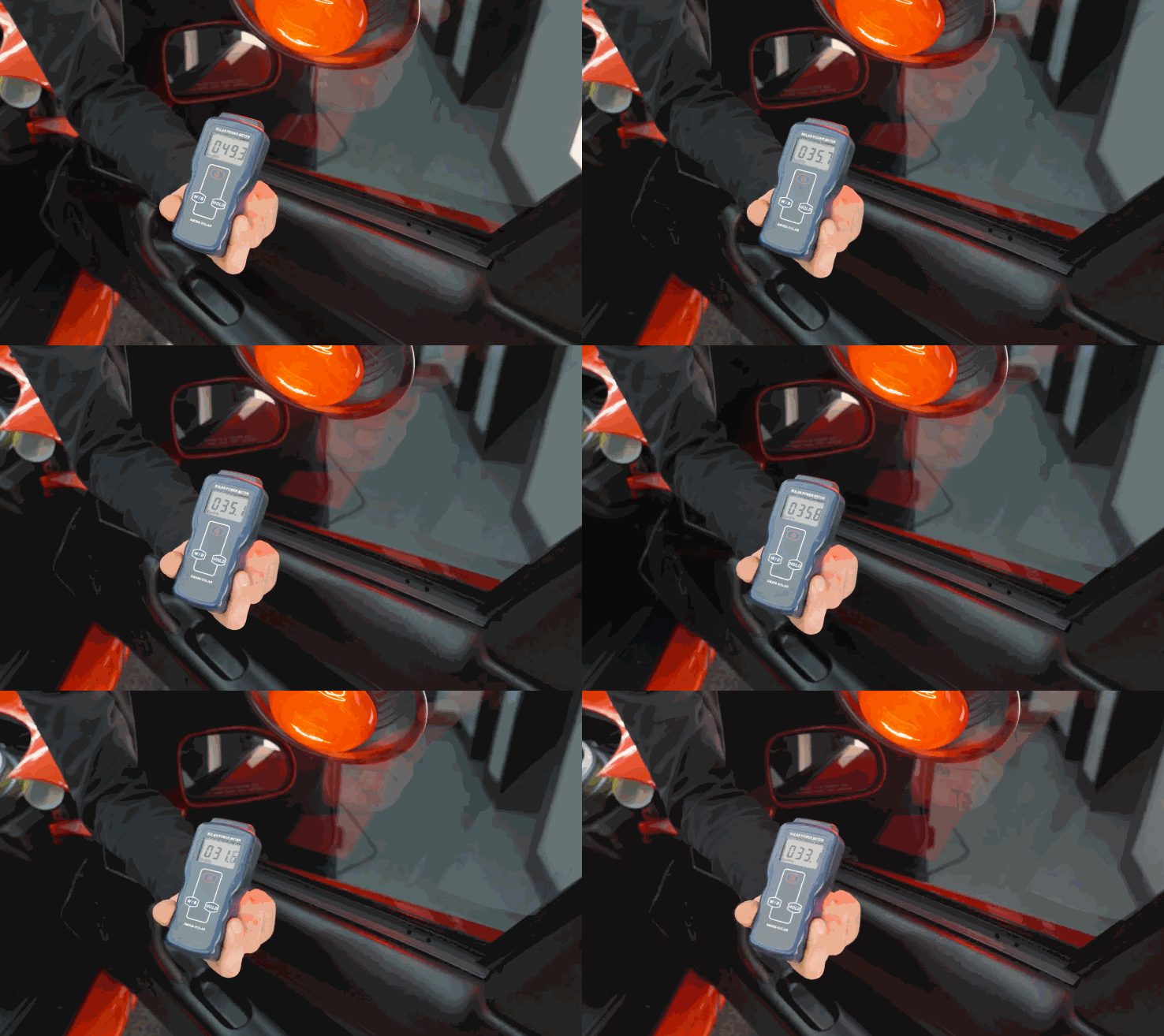
Not all window tint is built with the same lifespan in mind. Two vehicles may leave the shop looking nearly identical on installation day, but the difference often becomes obvious several years later.
The reason comes down largely to material quality. Lower-grade films tend to break down faster when exposed to sunlight, heat, and seasonal temperature fluctuations. In a place like Massachusetts, where vehicles experience everything from hot summer afternoons to freezing winter mornings, those weaknesses can show up sooner than many drivers expect.
Common signs that a film is aging poorly
- Fading that changes the original appearance of the tint
- Purple or brown discoloration caused by material breakdown
- Bubbling that develops between the film and glass
- Adhesive failure that creates lifting edges or distorted areas
- Reduced heat rejection performance compared to when the film was new
Modern premium automotive window tint products are engineered differently. Manufacturers have spent years improving the stability of dyes, adhesives, and protective layers to help films maintain their appearance and performance for much longer periods. That’s a big reason why long-lasting window tint has become more common than it was a decade ago.
When drivers compare window tint durability, they often focus on what they can see today. In reality, the more important question is how the film will look and perform after years of exposure to sunlight, temperature swings, and daily use.
Understanding the Trade-Off Between Budget and Performance
One of the most common questions we hear is whether spending more on tint is actually worth it. The honest answer is that every category of film exists for a reason, and each one serves a different type of driver.
Someone looking for basic appearance enhancement may be perfectly satisfied with an entry-level product. Another driver spending hours each week on the road might place much more value on heat rejection and long-term comfort. Neither choice is automatically right or wrong.
How different budget levels typically align with driver priorities
- Entry-level films often focus on appearance and basic shading
- Mid-range products balance cost with improved comfort and durability
- Premium options emphasize heat rejection, UV protection, and long-term performance
- High-performance ceramic films typically deliver the strongest overall protection
- Advanced products tend to retain their appearance and performance longer
What we encourage people to consider is ownership rather than installation day. Looking only at window tint cost can make a premium film seem expensive. Looking at that same film over five, seven, or even ten years can tell a very different story.
That’s where ceramic window tint value often becomes clearer. The investment isn’t only about how the vehicle feels next week. It’s about years of heat blocking window tint performance, reduced interior wear, and consistent comfort every time you get behind the wheel
What Drivers Often Overlook When Comparing Window Tint Options
Many window tint comparisons start with the wrong question. People naturally compare percentages, darkness levels, and pricing because those details are easy to see. The problem is that those factors rarely tell the full story about how a film will actually perform once it’s installed.
There are several important details that often get overlooked during the decision-making process.
- Judging performance based only on how dark the film looks
- Skipping over heat rejection specifications and infrared performance data
- Ignoring UV protection ratings altogether
- Comparing products only by upfront cost
- Assuming all professional window tinting services offer the same materials and product quality
A film can look impressive on the outside while offering relatively modest heat protection. Meanwhile, another film with a lighter appearance may deliver significantly better comfort inside the vehicle. That’s why darkness alone has become a poor indicator of performance.
At Pelicar, we spend a lot of time helping drivers understand these differences because they’re not always obvious. The goal isn’t to steer someone toward the most expensive option. It’s to help them understand what they’re actually getting so they can make a decision based on performance rather than assumptions.
A thoughtful window tint comparison usually leads to better long-term satisfaction than simply choosing the film that looks darkest or costs the least.
Conclusion: Choosing Window Tint That Works for Malden Conditions
The best window tint for a vehicle in Malden isn’t necessarily the darkest film or the most expensive one. It’s the film that delivers the right balance of heat rejection, UV protection, durability, and long-term value for the way the vehicle is actually used.
Whether you’re commuting toward Boston, parking outdoors near Malden Center, or simply trying to make your daily drive more comfortable, performance matters. Heat rejection helps create a cooler cabin. UV protection helps preserve interior materials. And higher-quality films often maintain those benefits much longer than lower-tier alternatives.
As we’ve covered throughout this guide, the right choice depends on your driving habits, ownership plans, and expectations. A driver who spends significant time on the road may prioritize different features than someone who only drives occasionally.
At Pelicar, we help drivers sort through those options every day. Our team focuses on recommending solutions that fit real-world driving conditions throughout Malden and Greater Boston, not just what looks good on a product brochure.
If you’re considering window tint for your vehicle, contact Pelicar today. We’ll help you compare your options, explain the differences clearly, and recommend the window tinting services that best fit your comfort, protection, and performance goals.
4.7 STARS 773 Google reviews
Window tinting service in Malden, Massachusetts