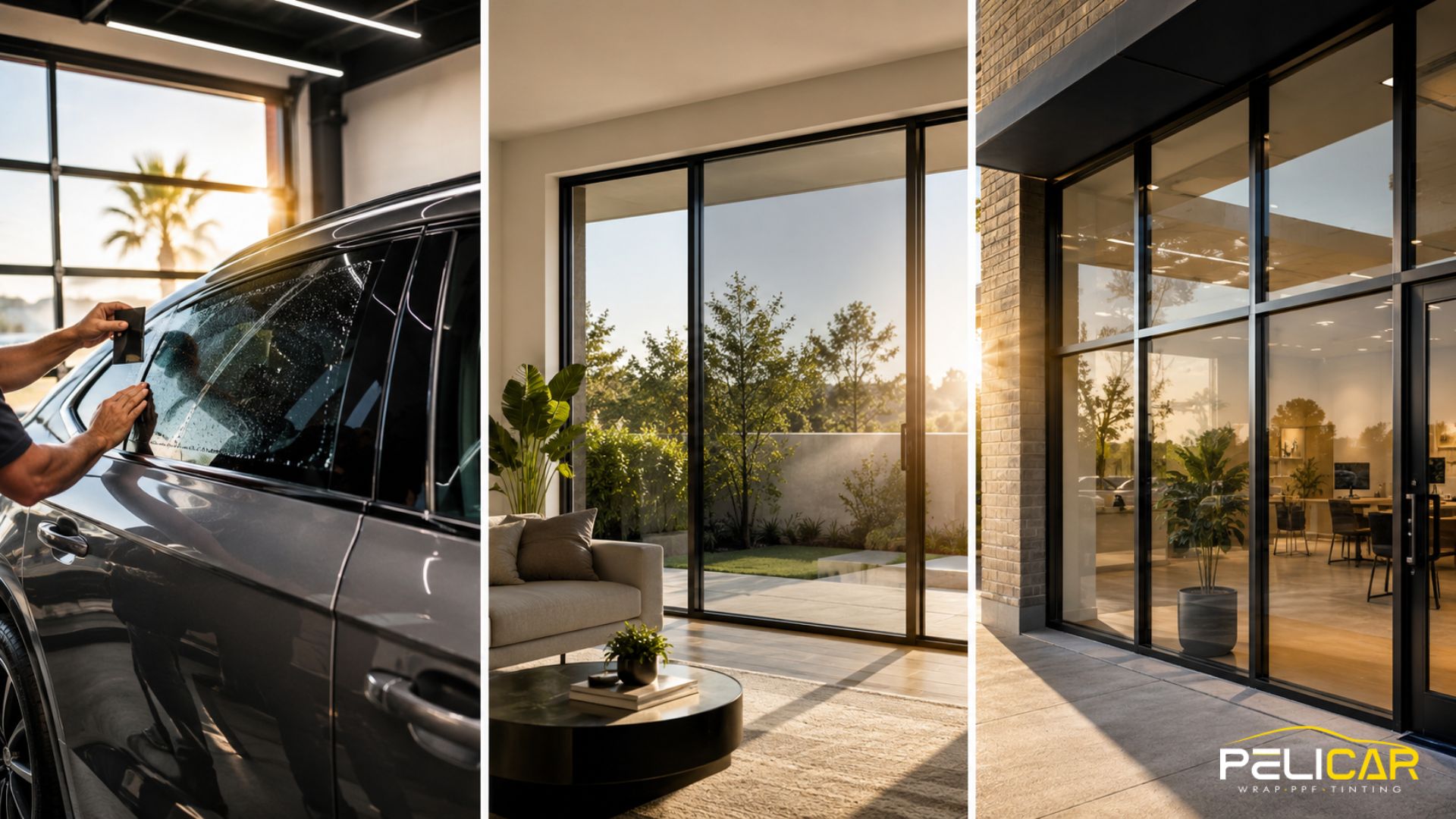
Winter in Malden, MA is not just about cold temperatures, it is about sustained exposure to freezing air, wind, and long heating cycles that put real pressure on commercial buildings. From late fall through early spring, properties across Greater Boston deal with daily temperature swings, coastal moisture, and consistent heat loss through glass surfaces. Storefronts along Pleasant Street, office buildings near Salem Street, and mixed-use properties off Route 60 all share one common challenge during winter: keeping interior spaces warm without overworking the heating system.
As part of the team at Pelicar Window Tinting, we see this every season. Many Malden businesses assume rising heating bills are unavoidable during New England winters, but in reality, a large portion of that energy loss happens right through untreated windows.
Heating costs spike in this region because warm interior air naturally seeks colder exterior surfaces. Glass, especially older commercial glass, provides very little resistance to that transfer. The result is heating systems running longer and harder just to maintain basic comfort. This is where commercial window tint becomes a practical, building-focused solution rather than a cosmetic upgrade.
From first-hand experience installing and using this technology, we know that commercial window tint is not about blocking light or darkening windows. It is about improving how a building performs during harsh winter months, especially in climates like Malden’s where heat retention directly affects operational costs.
How Heat Loss Happens Through Commercial Windows in Winter
Commercial windows are one of the weakest points in a building’s thermal envelope. During winter, untreated glass allows interior heat to escape rapidly, forcing heating systems to compensate continuously.
Key factors that drive heat loss include:
- Thermal transfer through glass: Standard glass has low insulating value, allowing heat to move quickly from warm interiors to cold outdoor air.
- Older storefront and office construction: Many Malden properties were built before modern energy standards, especially mixed-use buildings with large front-facing windows.
- Large window layouts: Street-facing glass along Pleasant Street, Salem Street, and Route 60 increases exposure to cold air and wind.
- Low insulation efficiency: Without additional layers, glass offers minimal resistance to temperature transfer.
When heat retention is poor, glass performance drops, and interior warmth dissipates faster than heating systems can replace it. This direct energy loss translates into higher heating demand, longer HVAC run times, and less stable indoor temperatures throughout the workday.
What Commercial Window Tint Actually Does in Cold Weather
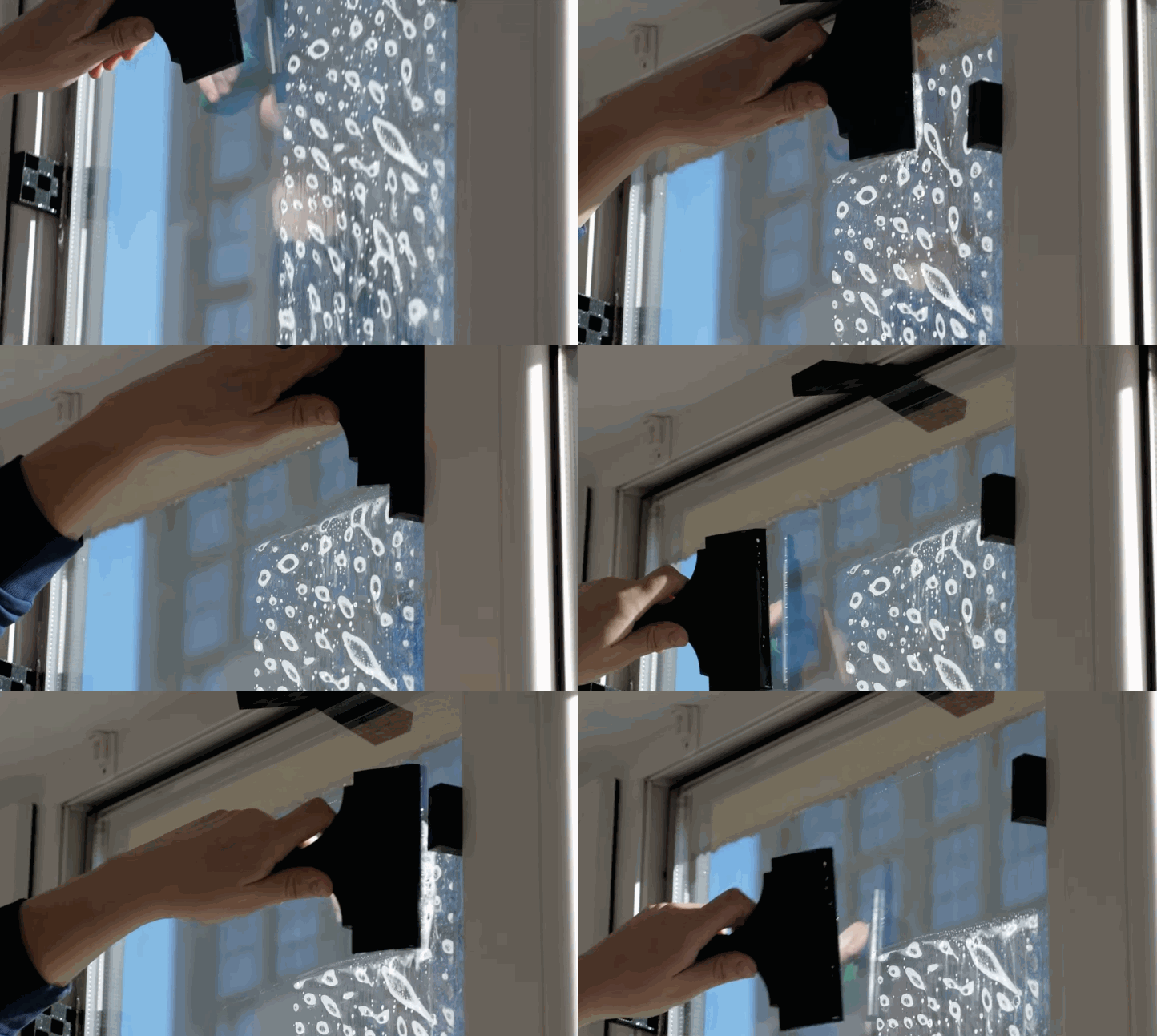
Commercial window tint is a professionally installed window film designed to improve the thermal performance of commercial glass. Unlike older films or residential products, modern commercial window tint is engineered to work year-round, including during cold weather conditions.
In winter, this type of window film helps by:
- Reducing heat transfer through glass: The film adds a functional layer that slows down the movement of heat toward cold exterior surfaces.
- Improving overall heat retention: Interior warmth stays inside longer, reducing how often heating systems need to cycle.
- Enhancing insulation efficiency without replacement: Businesses gain performance benefits without replacing windows or disrupting operations.
Modern energy-efficient window film and insulating window film options are designed specifically for commercial environments. They differ significantly from older or residential products in durability, clarity, and thermal performance. When properly selected and installed, these films support consistent indoor conditions throughout Malden’s coldest months.
From our experience, performance always depends on correct film selection and professional installation. The right commercial window tint matched to the building’s glass type and usage makes a measurable difference during winter, while poor selection or rushed installation limits real-world results.
Energy Efficiency Benefits for Malden Commercial Properties
When heat retention improves, the entire building operates more efficiently. One of the most noticeable benefits we see across Malden commercial properties is reduced strain on heating systems.
Commercial window tint contributes to energy efficiency by:
- Lowering HVAC workload as interior heat stays contained
- Supporting more stable indoor temperatures throughout the day
- Reducing temperature fluctuations near windows and exterior-facing spaces
For retail shops, medical offices, and professional buildings in Malden, consistent comfort matters. Employees are less affected by cold drafts near windows, and customers experience a more balanced indoor environment. While exact energy savings vary by building, usage patterns, and window layout, improved glass performance often leads to more predictable winter energy usage without overpromising specific numbers.
Everything we install is based on real building conditions we encounter locally, not generic claims. Malden properties are diverse, and energy efficiency improvements must reflect how those spaces are actually used during New England winters.
Installation Quality and Why It Matters in Winter Performance
When it comes to winter performance, the quality of installation is just as important as the commercial window tint itself. From our experience working on commercial properties throughout Malden, we have seen how professional installation directly influences how well window film performs over time, especially during extended cold seasons.
A proper installation starts well before the film ever touches the glass. Surface preparation ensures the glass is clean, smooth, and ready to accept the film without imperfections that could compromise adhesion. Film alignment is equally critical, particularly on large storefront windows and multi-pane office layouts common throughout Malden. Precise alignment allows the film to perform as intended across the entire glass surface.
Edge sealing plays a major role in winter conditions. When edges are finished correctly, the film remains stable despite temperature fluctuations, condensation, and prolonged heating cycles. Poor installation can leave gaps or weak points where heat transfer increases, reducing the insulating benefits the film is designed to provide.
This is where working with an experienced local installer matters. At Pelicar Window Tinting, our familiarity with Malden winters, older commercial buildings, and varied window systems allows us to focus on craftsmanship rather than product hype. Long-term performance comes from attention to detail, not shortcuts.
Additional Winter Advantages Beyond Heating Cost Reduction
While heating efficiency is often the primary motivation, commercial window tint delivers several additional winter benefits that improve day-to-day operations inside commercial spaces.
These advantages include:
- Reduced drafts near windows: Improved glass performance helps limit cold air movement along interior surfaces.
- More consistent comfort for occupants: Employees and customers experience fewer cold spots during long winter days.
- Improved glare control: Low-angle winter sunlight can be harsh, especially in the mornings and late afternoons. Window film helps manage glare without sacrificing natural light.
- Better temperature regulation: Interior spaces remain more stable even as outdoor temperatures fluctuate.
These benefits support productivity and comfort without shifting focus away from practical building performance. The goal is smoother daily operations during winter, not marketing-driven promises.
Long-Term Value for Malden Business Owners

Consistent interior conditions do more than improve comfort, they contribute to the long-term health of a building. By improving heat retention, commercial window tint helps reduce repeated thermal stress on windows, frames, and interior finishes.
Over time, reduced strain on heating systems can support longer equipment lifespan and fewer winter-related maintenance issues. For Malden business owners, this often translates into more predictable winter operating costs and fewer surprises during the coldest months.
Commercial window tint works best when viewed as part of a broader building efficiency strategy rather than a standalone upgrade. From our perspective, supporting long-term performance is where this solution truly proves its value. Many of our clients continue working with Pelicar Window Tinting over the years because they see how these improvements hold up season after season.
Choosing the Right Commercial Window Tint for Malden Buildings
Not all window film is the same, and selecting the right commercial window tint depends heavily on how a building is used. Film selection should account for building orientation, window size, and how interior spaces function throughout the day.
Storefront glass often requires a different approach than office windows or upper-floor panels. Street-facing windows may deal with more exposure and glare, while interior offices prioritize consistent temperature regulation. Upper floors can experience different heat loss patterns altogether.
Setting realistic expectations is essential. A professional assessment helps match the right film to the right application without overselling outcomes. Working with a local expert who understands Malden’s climate ensures that recommendations are grounded in real conditions rather than generic assumptions.
Conclusion: A Smarter Winter Strategy for Malden Businesses
Commercial window tint plays a meaningful role in supporting heat retention and overall energy efficiency during Malden’s long winters. By improving glass performance, it helps businesses manage heating demands more effectively while maintaining comfortable interior environments.
From our experience, this solution matters because it addresses a problem many buildings quietly struggle with every winter: energy loss through glass. When applied correctly, commercial window tint becomes a reliable tool for managing winter heating costs across Malden, MA.
If you are evaluating options for your commercial property, we encourage you to reach out for a final consultation or quote. Pelicar Window Tinting remains a knowledgeable local resource for businesses looking to make informed, practical decisions about their building performance.
4.7 STARS 773 Google reviews
Window tinting service in Malden, Massachusetts