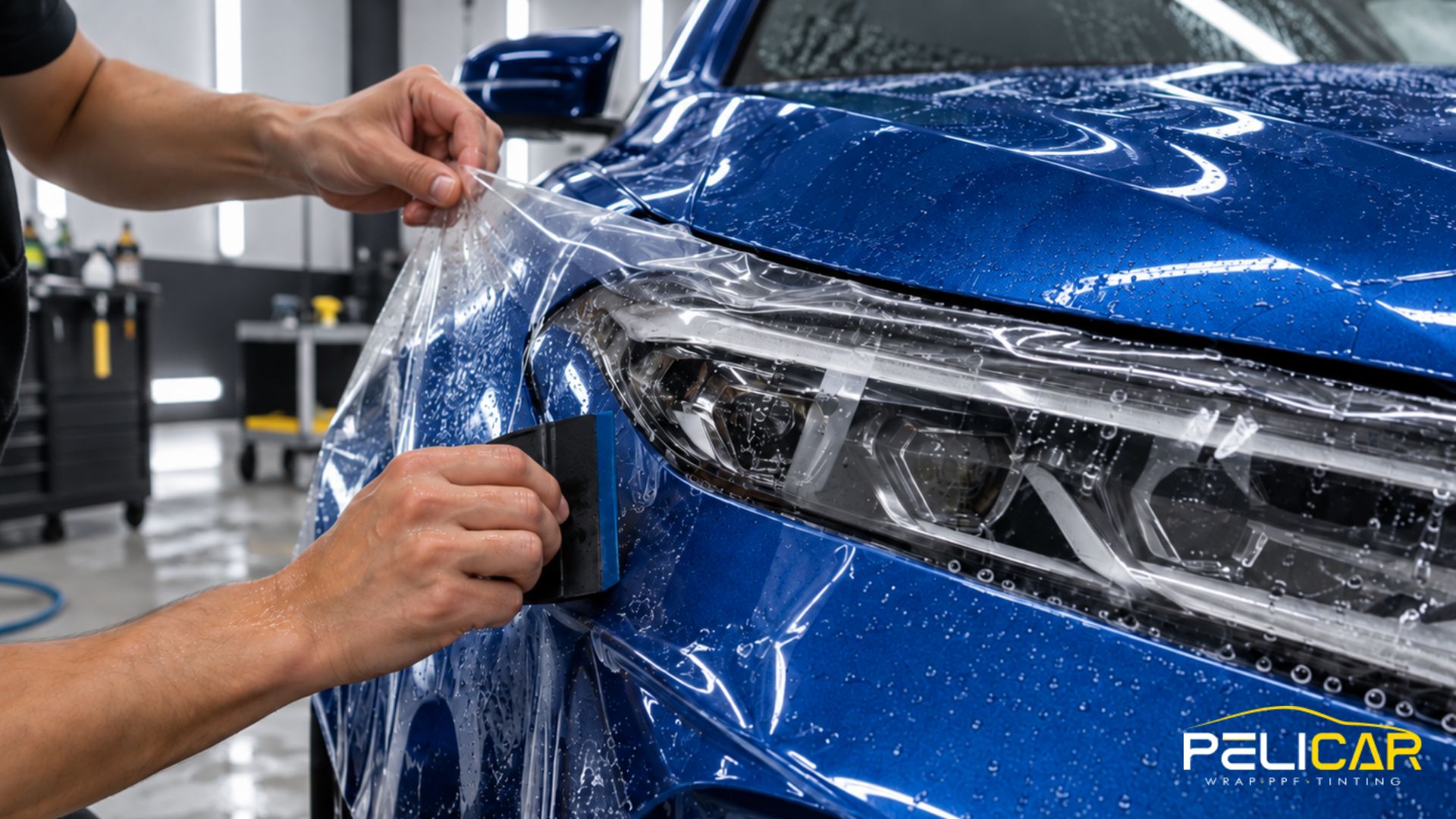
Most people see paint protection film as a modern car care product, but the truth is, its history goes much deeper than the automotive world. Long before it was being installed on sports cars or daily drivers around Malden, the earliest versions of PPF were developed for military use.
Back then, the goal had nothing to do with gloss, aesthetics, or preserving resale value. Engineers needed a material capable of protecting helicopter rotor blades and other sensitive surfaces from debris damage during extreme operating conditions. Rocks, sand, dirt, and airborne particles were constantly damaging critical equipment, so protective film technology became a practical solution rather than a cosmetic one.
What’s interesting is how much of that original purpose still exists today. The environment may be different, but modern drivers in Massachusetts still deal with constant paint damage from highway debris, winter sand, salt, and rough road conditions around Greater Boston. The difference is that decades of innovation transformed those early military materials into something refined enough for modern automotive finishes.
At our shop, we’ve always found that part of the story fascinating because it changes how people view paint protection film entirely. Once you understand where the technology came from, modern PPF starts feeling less like a trend and more like the result of years of engineering evolution.
The Early Origins of 3M Paint Protection Film
When people talk about the history of paint protection film, 3M is usually one of the first names that comes up, and for good reason. The company played a major role in developing some of the earliest protective film solutions designed to withstand harsh physical impact.
The original concept was simple in theory but difficult in execution: create a transparent protective layer capable of absorbing damage before sensitive surfaces underneath became compromised. That early PPF technology eventually earned the nickname “helicopter tape” because of its military applications, particularly around rotor blades exposed to constant abrasion.
What early protective films were originally designed to handle
- High-speed debris impact
- Sand and dirt abrasion
- Surface wear during extreme operating conditions
- Material preservation under constant environmental stress
- Damage prevention on vulnerable equipment surfaces
Appearance really wasn’t part of the equation yet. Early versions of protective film were much thicker, more noticeable, and focused almost entirely on durability. Clarity, edge finish, and visual integration with painted surfaces came much later as the technology evolved.
Eventually, manufacturers realized the same concept could solve a growing problem in the automotive industry. Vehicle paint was becoming more refined, but also more vulnerable to chips and surface damage from daily driving. That shift is what pushed protective film history into the automotive world.
At Pelicar, we work with the modern evolution of these materials every day, and it’s honestly impressive how far the technology has come from those early industrial-grade films.
How Paint Protection Film Evolved Beyond Basic Protection
The biggest transformation in paint protection film wasn’t just durability, it was refinement.
Older films were effective at absorbing impact, but visually, they were far from ideal. They could appear thick, slightly cloudy, and much more noticeable on the vehicle surface. Over time, some films would yellow, lose clarity, or struggle to conform smoothly around curves and body lines.
Modern paint protection film changed that completely.
What improved as automotive-grade PPF evolved
- Better optical clarity for a cleaner, more invisible finish
- Increased flexibility around complex body panels and edges
- Stronger resistance to yellowing and discoloration
- Smoother surface finishes that blend naturally into modern paintwork
- More precise installation techniques through advanced cutting technology
As clear bra technology improved, it started attracting a much wider audience. At first, PPF was mostly associated with high-end sports cars and luxury vehicles. Today, automotive paint protection has become common on everything from performance vehicles to family SUVs and daily commuters throughout Malden and Greater Boston.
Part of that shift happened because drivers began viewing paint preservation differently. Vehicles became larger investments, paint finishes became more expensive to correct, and people started wanting longer-term protection instead of constantly repairing chips and surface wear.
Why Self-Healing Technology Changed the Industry
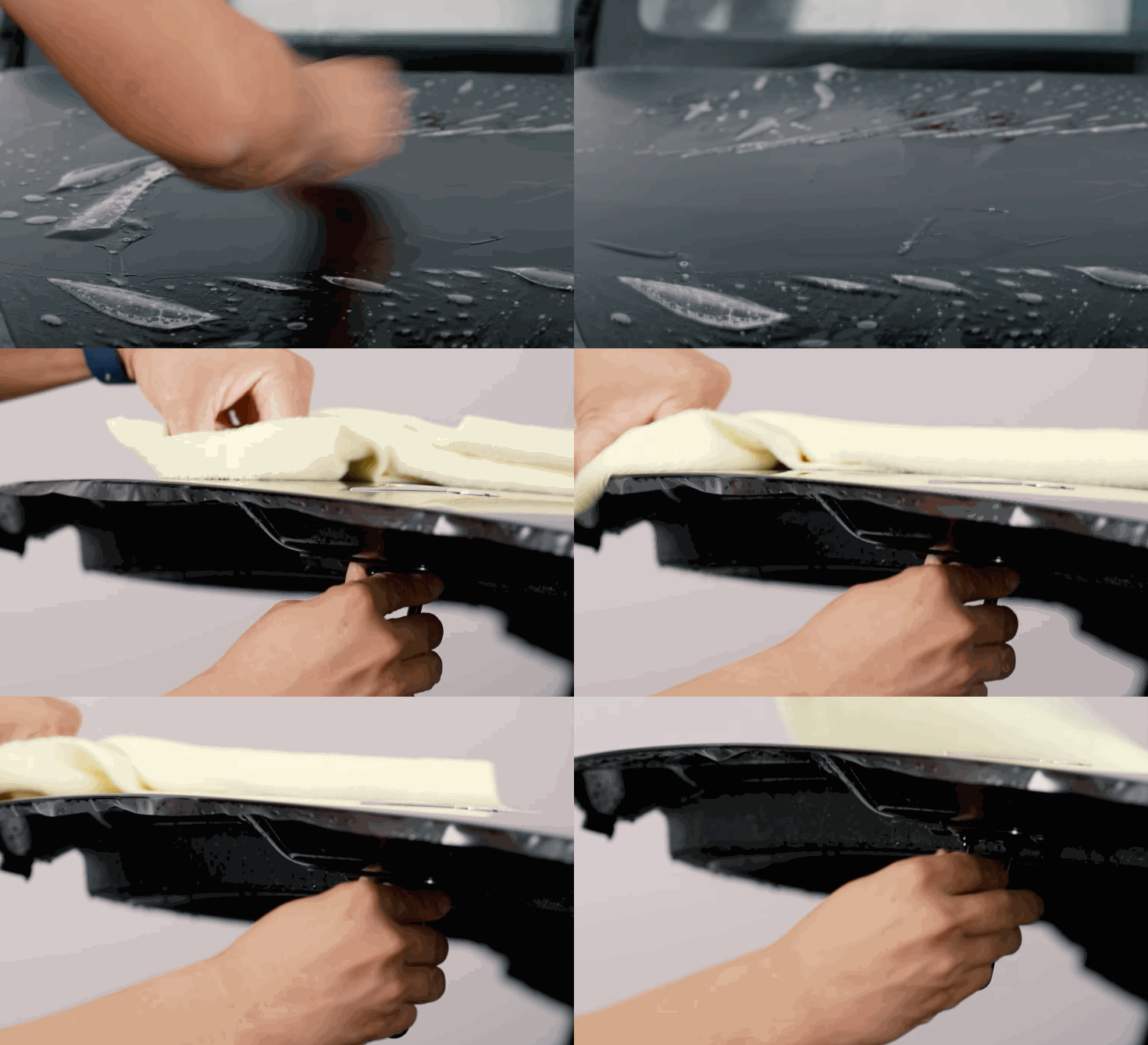
One of the most important turning points in advanced PPF technology was the introduction of self-healing top layers. Before that development, even quality paint protection film could still show swirl marks and minor surface scratches over time, especially after regular washing or exposure to road debris.
Self-healing technology changed the way modern PPF aged.
Instead of permanent light surface damage building up year after year, newer films were engineered with elastomeric top layers capable of reacting to heat. When exposed to sunlight, warm water, or ambient heat, many light scratches and swirl marks begin leveling back out naturally.
For drivers, that was a major shift in expectations. Paint protection film no longer only protected against rock chips, it also helped preserve the cleaner, smoother appearance people wanted from the start.
The confidence this created around scratch resistant PPF helped push the industry forward quickly. Suddenly, protection and aesthetics were working together instead of feeling like separate priorities. That balance is a big reason why self-healing paint protection film became such a defining part of modern automotive protection systems.
Today, when customers see a properly installed modern film recover from light surface marks, it still tends to surprise them. Even after years in the industry, it’s one of those technologies that genuinely changed how people view long-term vehicle protection.
How Modern PPF Became More Practical for Daily Drivers
For a long time, paint protection film carried the reputation of being something reserved for exotic cars, garage-kept collectibles, or high-end luxury vehicles. That perception has changed a lot over the last decade.
Modern PPF durability standards made the product much more realistic for regular drivers dealing with everyday road conditions around Malden and the Greater Boston area. The technology became stronger, cleaner-looking, easier to maintain, and more adaptable to different budgets and driving habits.
Why more daily drivers now consider paint protection film
- Better resistance against highway debris and road impact damage
- Improved UV and stain resistance compared to older generations
- Longer-lasting manufacturer warranties for added confidence
- Easier cleaning and smoother maintenance overall
- Flexible coverage options ranging from partial front protection to full-body wraps
That last part matters more than people think. Not every driver needs full-body protection, and modern installation options allow people to protect the areas most exposed to wear without overcommitting financially.
At Pelicar, that’s something we discuss with customers constantly. Some Malden drivers spend hours commuting on highways every week, while others mainly want protection against city driving damage and winter conditions. The flexibility of modern paint protection film benefits allows us to tailor solutions in a much more practical way than what was possible years ago.
And honestly, that’s a huge part of why PPF became mainstream. It evolved from a niche military-inspired material into something realistic and valuable for everyday vehicles.
Why Paint Protection Matters in the Malden Area
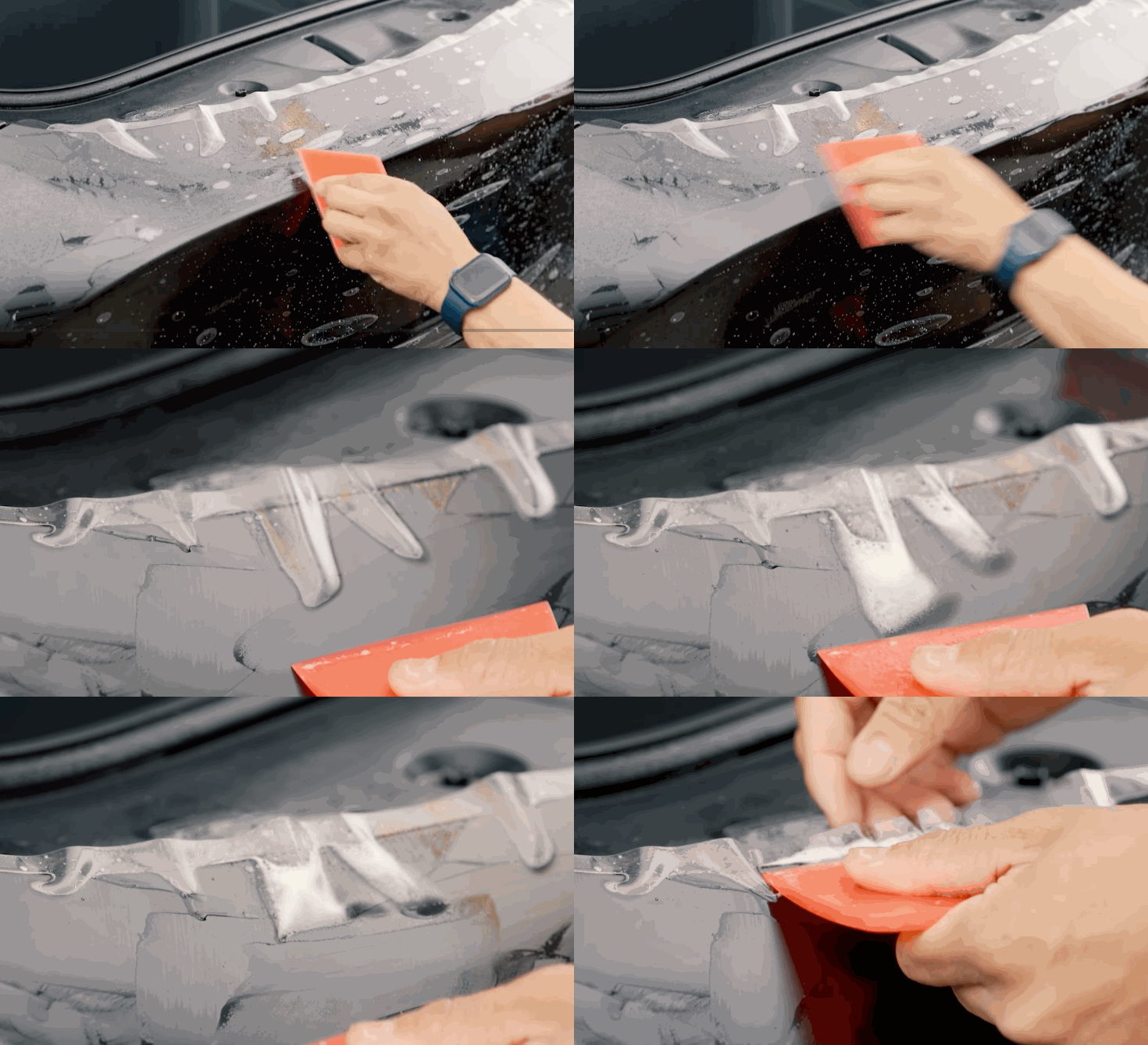
Paint protection film makes a lot more sense once you look at the kind of conditions vehicles deal with around Malden and Greater Boston every day. This isn’t an environment where paint stays untouched for very long.
Between highway commuting, dense traffic, changing weather, and rough winter conditions, vehicle paint takes constant abuse throughout the year. Even drivers who are careful with their cars eventually start noticing small chips, surface wear, and road damage building up over time.
Local driving conditions that constantly stress vehicle paint
- Highway debris traveling along Route 1 and I-93
- Winter sand and road salt during Massachusetts snow season
- Tight city parking where doors, carts, and close spaces increase accidental contact
- Daily commuting through construction zones and congested traffic areas
- Seasonal weather changes that repeatedly expose paint to moisture, grime, and UV exposure
That’s why vehicle paint protection in Massachusetts has become a much bigger priority than it was years ago. Drivers are keeping vehicles longer, investing more into their finishes, and looking for ways to avoid constant paint correction or repainting work later.
Modern paint protection film in Malden MA isn’t really about perfection anymore, it’s about reducing long-term wear in an environment that naturally creates it. And honestly, once you’ve seen what years of highway driving and winter conditions can do to unprotected paint, the purpose behind modern PPF becomes pretty easy to understand.
What Drivers Still Get Wrong About Paint Protection Film
A lot of the opinions people still have about paint protection film come from older generations of products. The technology changed significantly over the years, but many assumptions never really caught up with it.
One of the biggest paint protection film misconceptions is that PPF still looks thick, cloudy, or overly noticeable on the vehicle surface. Modern films are dramatically more refined than what existed a decade ago, both visually and technically.
Common misconceptions we still hear regularly
- Modern PPF is much clearer and less visible than earlier generations
- Today’s films are designed for long-term durability, not short-term temporary protection
- Professional PPF installation has a major impact on how the film looks and performs
- Paint protection film still requires proper maintenance and washing habits
- Different manufacturers and film lines can vary significantly in quality and warranty coverage
That last point matters more than many people realize. Not every film performs the same way, even if they appear similar at first glance. Clarity, hydrophobic behavior, self-healing performance, and long-term aging can vary a lot depending on the product and installation quality.
At Pelicar, part of our job is helping customers look at modern PPF realistically instead of relying on outdated impressions or internet myths. Once drivers see how far the technology has evolved, the conversation around protection usually changes pretty quickly
Why Modern 3M Paint Protection Film Continues to Evolve
One thing that makes the PPF industry interesting is that the technology never really stopped improving. Even now, manufacturers continue refining how films perform, feel, and age on modern vehicles.
Earlier generations focused mainly on impact resistance. Today, premium paint protection film is expected to do much more than simply absorb rock chips. Drivers now expect clarity, stain resistance, hydrophobic behavior, self-healing performance, and a finish that blends naturally into modern paint systems.
The industry keeps moving because customer expectations keep changing too.
Modern advanced clear bra technology now focuses heavily on balancing three things at once: protection, appearance, and long-term preservation. That balance simply didn’t exist during the early stages of PPF development.
Some of the improvements modern films continue pushing toward include:
- Better water repellency and easier cleaning
- Increased resistance against environmental staining
- Improved gloss and surface smoothness
- Stronger long-term clarity retention
- More flexible installation adaptability on modern vehicle designs
What’s fascinating is that modern PPF has become almost unrecognizable compared to its military origins. The same core concept still exists, protecting surfaces from damage, but today’s films are engineered with a level of refinement early developers probably never imagined.
And realistically, that evolution is probably far from finished.
Conclusion: A Smarter Era of Vehicle Protection
Paint protection film has come a long way from its early military-inspired beginnings. What started as a practical solution for protecting helicopter components eventually evolved into one of the most advanced forms of automotive surface protection available today.
Modern PPF combines durability, clarity, self-healing technology, and long-term preservation in a way older generations simply couldn’t. That’s a huge reason why drivers now trust it not only to protect their vehicles, but also to maintain appearance and long-term value over time.
Around Malden and Greater Boston, those benefits become even more relevant. Between highway driving, winter road conditions, debris exposure, and tight urban environments, vehicle paint constantly faces wear that builds up year after year.
At Pelicar, we’ve seen firsthand how modern 3M paint protection film helps drivers preserve their vehicles under real Massachusetts driving conditions. Whether you’re looking for partial front-end coverage or full-body protection, our team can help you understand what makes sense for your vehicle and driving habits.
If you’ve been considering paint protection film in Malden, MA, reach out to Pelicar today. We’ll help you explore your options, explain the differences between modern PPF solutions, and recommend protection that fits the way you actually drive.
4.7 STARS 773 Google reviews
Window tinting service in Malden, Massachusetts