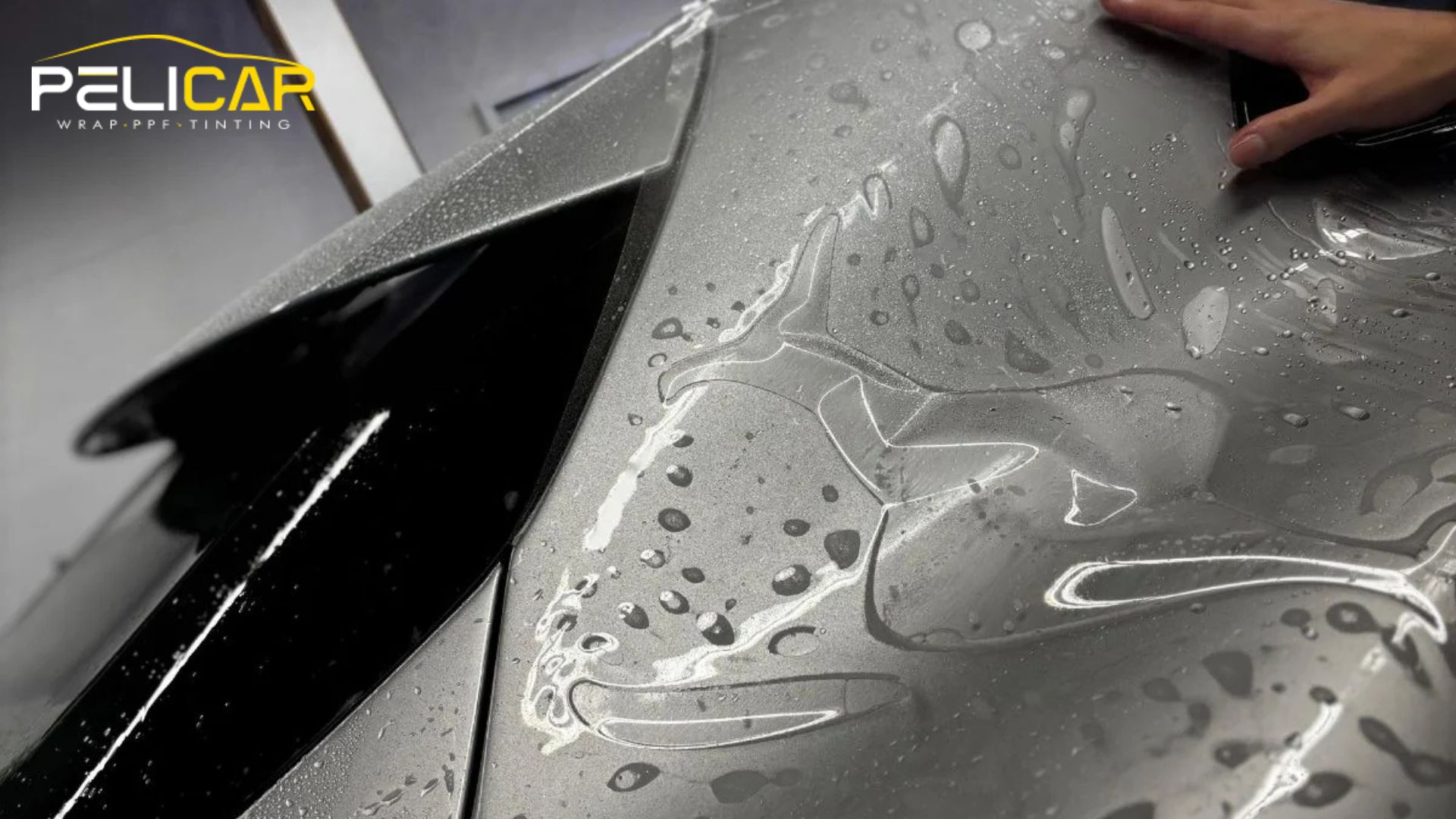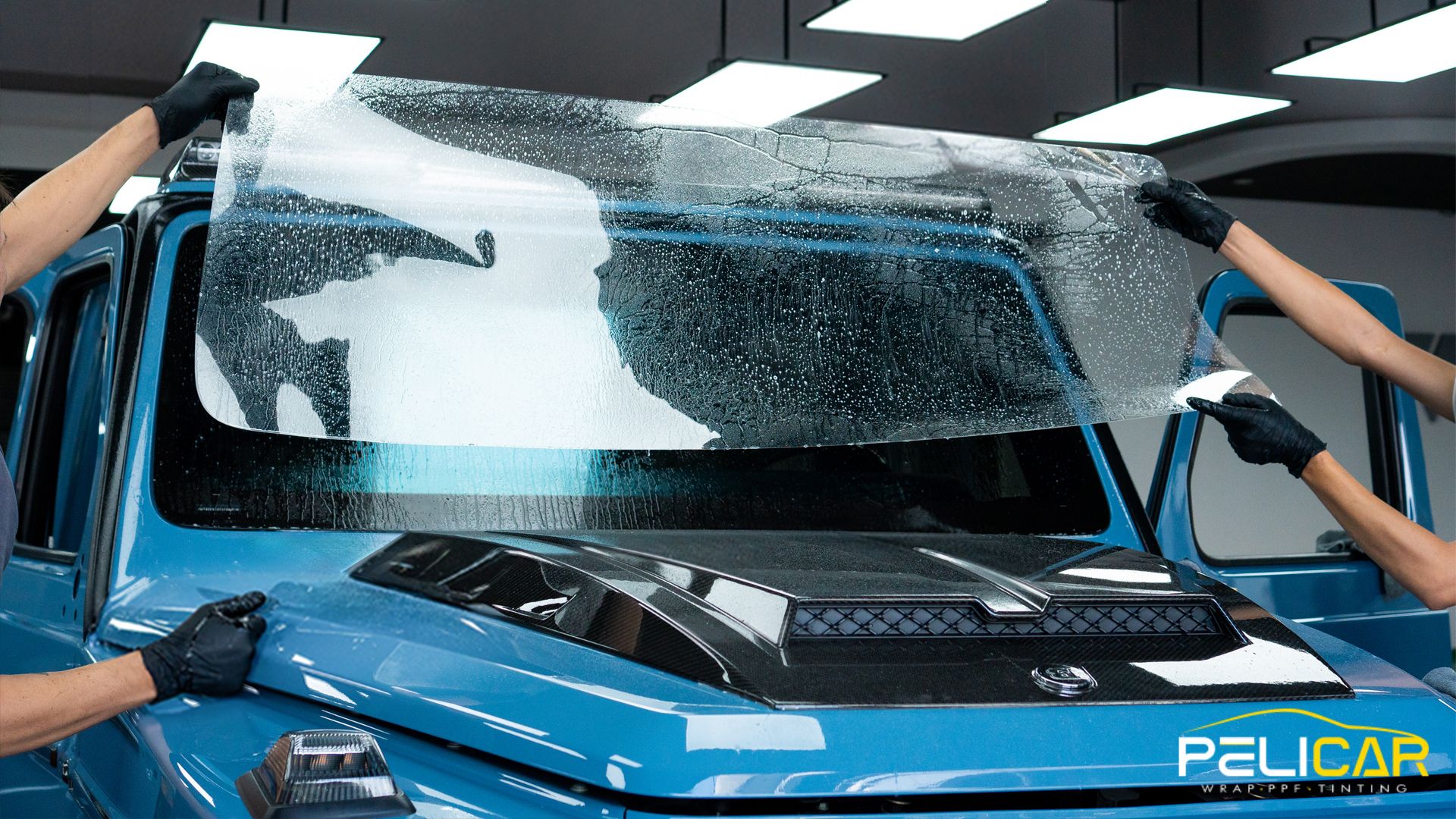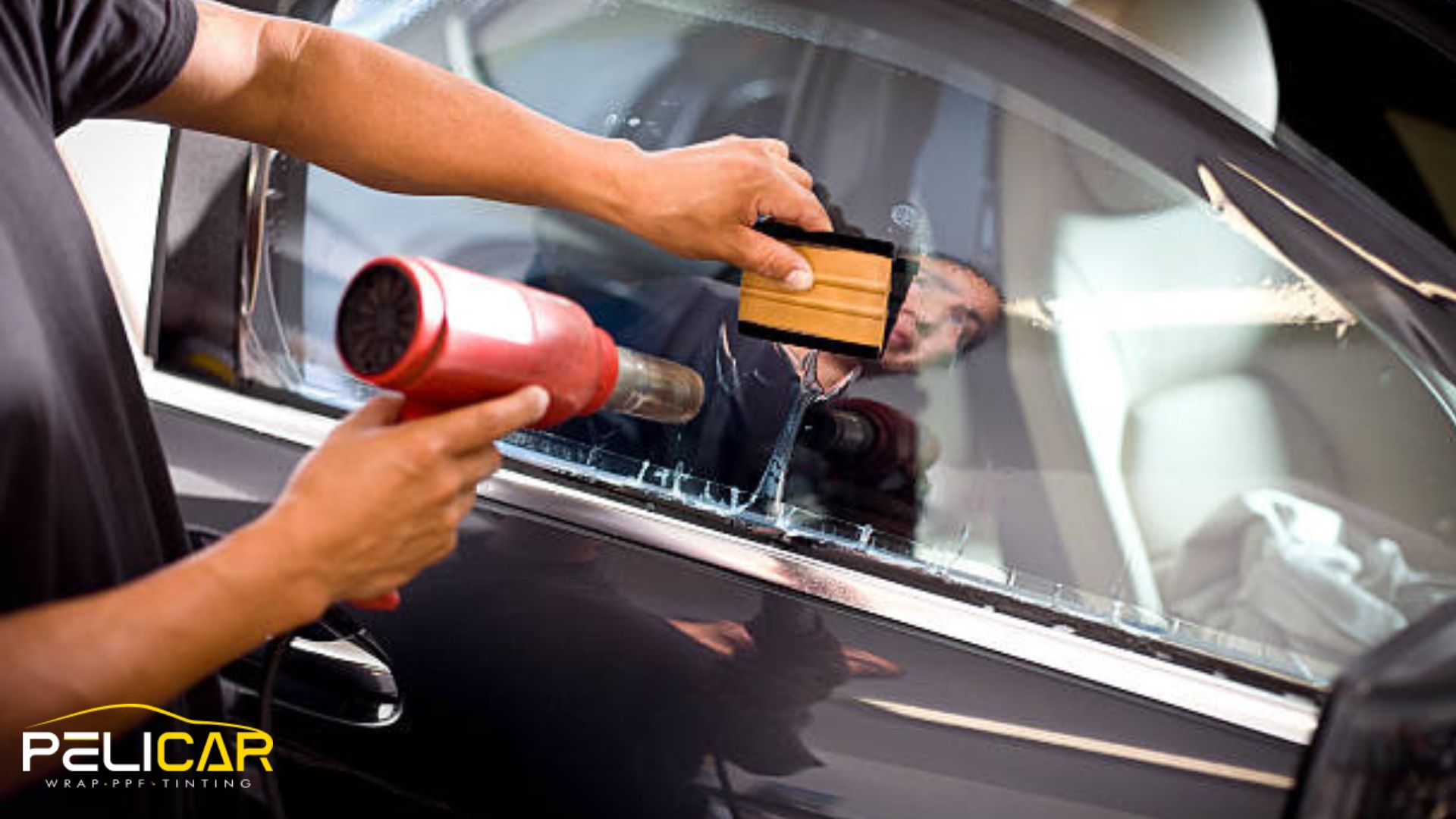
Living and driving in Malden during the winter is something you only truly understand once you’ve spent a few seasons navigating Main Street after a snowstorm or easing onto the Fellsway when the plows are out in full force. Here at our shop, we see firsthand how quickly vehicles begin to show the effects of salt, slush, and constant freeze–thaw cycles. Even newer cars start to develop that dull, tired look faster than most people expect. Between the heavy salting on Route 1, snowbanks that linger for weeks, and the gritty slush splashing up from other vehicles, winter here puts your paint through a lot more than drivers realize.
That’s exactly why we talk so much about paint protection film. It’s not a luxury upgrade, it’s a practical layer of defense that makes winter driving in Malden a lot less stressful. When properly applied through a professional PPF installation, this protective layer takes the abuse your paint shouldn’t have to. And speaking from experience, once you see how much cleaner and safer your paint stays through February, it’s hard to imagine driving without it.
Why Paint Protection Film Makes Sense for Malden Drivers
- Heavy salt use throughout the city
- Constant freeze–thaw cycles that weaken exposed paint
- Slush buildup that carries gravel and contaminants
- Narrow, snow-packed side streets that spray debris against your vehicle
What Exactly Is Paint Protection Film?
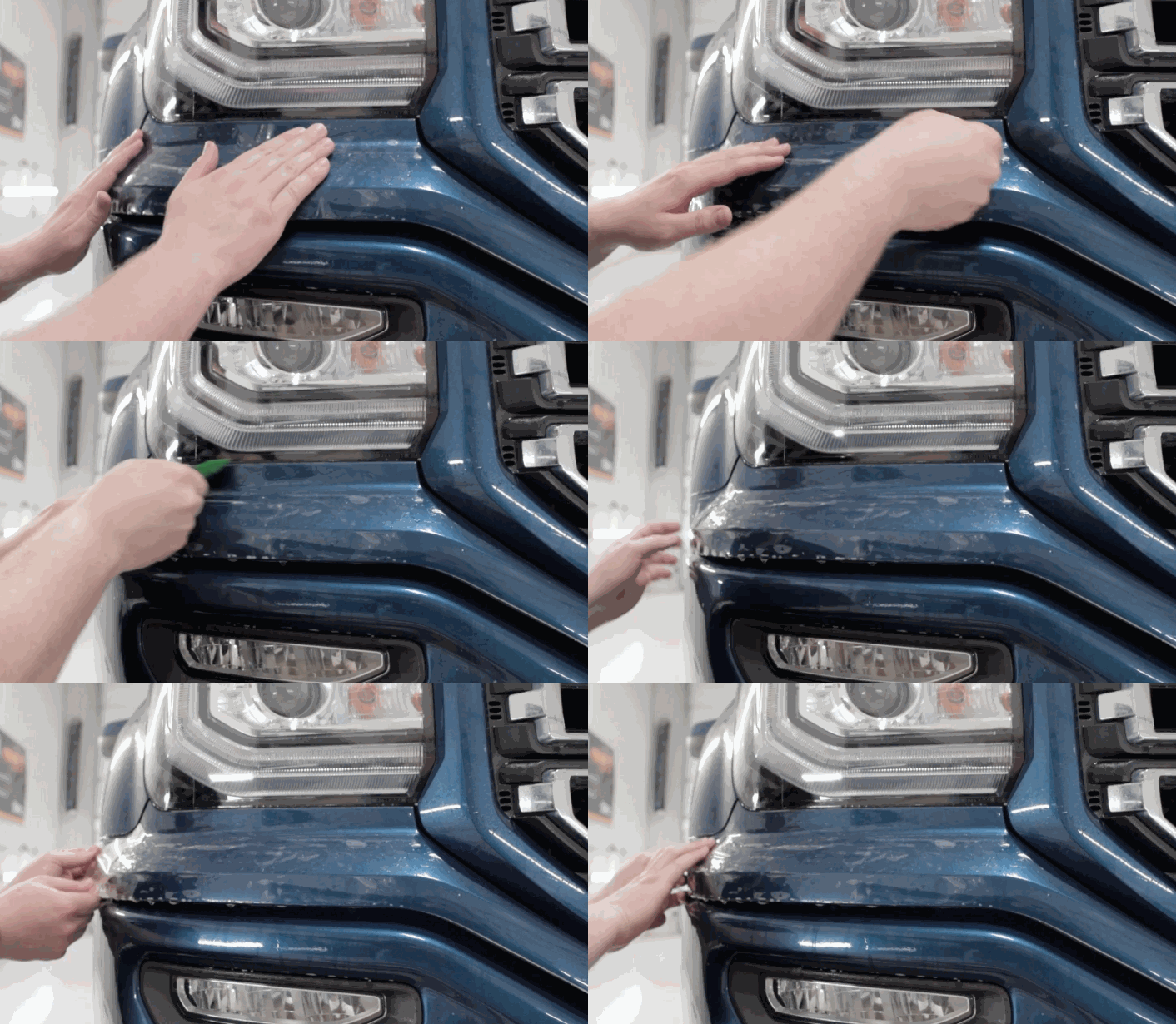
Paint Protection Film, often known as clear bra, is a durable, transparent urethane layer applied directly to your vehicle’s painted surfaces. It blends strength, clarity, and flexibility in a way that preserves the look of your car while adding serious protection. Around Malden, where winter conditions are unpredictable and often harsh, it’s one of the most effective long-term shields you can add to your vehicle.
What Makes PPF So Effective
Paint Protection Film is engineered with multiple layers working together to keep your paint safe:
- Impact-resistant base layer that absorbs small chips and scratches.
- Self-healing topcoat that repairs light marks when exposed to heat.
- Advanced adhesive layer that bonds cleanly without altering your paint’s appearance.
It’s thick enough to take on gravel, salt, and winter road debris while remaining flexible and nearly invisible. Modern protective film technology keeps your paint looking like new even when the weather isn’t cooperating. Thanks to its clarity and durability, drivers get strong impact resistance without changing the original finish of the vehicle.
How Winter Salt and Snow Damage Your Car’s Paint
Anyone who has driven through a Massachusetts winter knows the layer of salt that ends up covering everything within a few days of the first storm. That residue isn’t just inconvenient. Salt accelerates corrosion, breaks down the clear coat, and allows moisture to reach vulnerable surfaces. Once that starts, the damage only grows through the season.
Malden’s roads make things worse. Streets like Malden Center and Highland Ave get heavily salted, and the plows often leave behind a gritty mix of snow, sand, and broken ice. Every time you drive through that buildup, it kicks debris against your lower panels, doors, fenders, and even the front end.
How Salt and Snow Cause Real Damage
- Corrosion from repeated salt exposure
- Sand and gravel scratching unprotected paint
- Staining and discoloration from lingering salt residue
- Clear coat breakdown caused by freeze–thaw cycles
Pelicar’s Paint Protection Film service offers full front-end coverage with their Gold and Platinum PPF packages, shielding your vehicle from this kind of damage.
How PPF Shields Your Vehicle from Harsh New England Winters
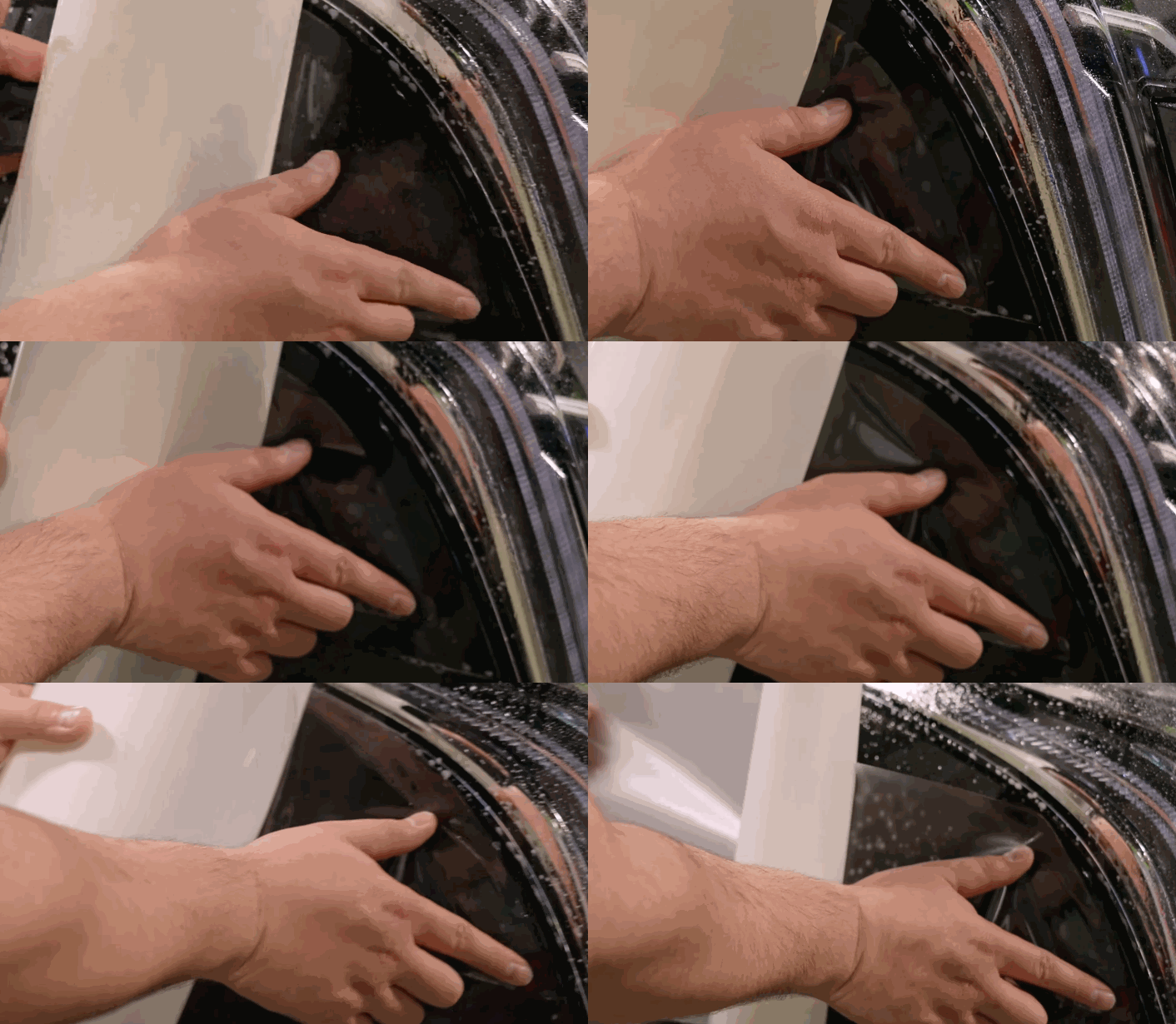
When winter hits Malden, the roads turn into a mix of salt, slush, sand, and frozen debris. Paint Protection Film acts as a protective barrier that takes the brunt of that abuse long before it ever reaches your paint. One of the biggest advantages we see during the colder months is how well PPF resists salt. Instead of allowing corrosive residue to sit directly on the clear coat, the film blocks it, making winter paint protection far more effective and easier to maintain.
PPF also absorbs the small impacts that happen constantly throughout the season. Whether you’re turning onto the Fellsway behind a plow truck or driving through the slushy aftermath along Salem Street, your front bumper and lower panels take dozens of tiny hits every trip. The film absorbs those impacts, preventing chips and micro-scratches that would otherwise age the paint quickly.
Another advantage comes from its hydrophobic and self-healing technology. Water, slush, and dirt have a harder time sticking to the film, so buildup washes off more easily. And when the top layer gets light marks from frozen debris or brushes with snowbanks, warmth, either from the sun or your engine, helps the surface repair itself. That kind of PPF durability is especially valuable in a place where storms can swing from mild to messy within a few hours.
Want to dig deeper? Check out this article on the benefits of PPF for New England winters.
Why PPF Installation Quality Matters Even More in Cold Regions
We always emphasize that even the best Paint Protection Film won’t perform well if the installation behind it wasn’t done properly. Winter conditions in Massachusetts make the PPF installation process even more critical. The prep has to be meticulous: clean surfaces, no contaminants, and proper bonding conditions. If salt dust or moisture gets trapped under the film, it affects both appearance and longevity.
Humidity and temperature matter, too. Installing PPF in Malden requires attention to the way adhesives react in colder weather. A professional installation ensures the film cures correctly and stays bonded even when temperatures swing from freezing nights to mild afternoons. These details can’t be rushed, which is why technician skill makes all the difference in how well the film performs once winter arrives.
When the installation is done right, the film becomes a long-term investment rather than a seasonal fix. It’s the combination of high-quality material and experienced hands that ensures reliable performance through storms, salt trucks, and everyday commutes on I-93 or Route 1.
Comparing PPF to Other Winter Protection Options
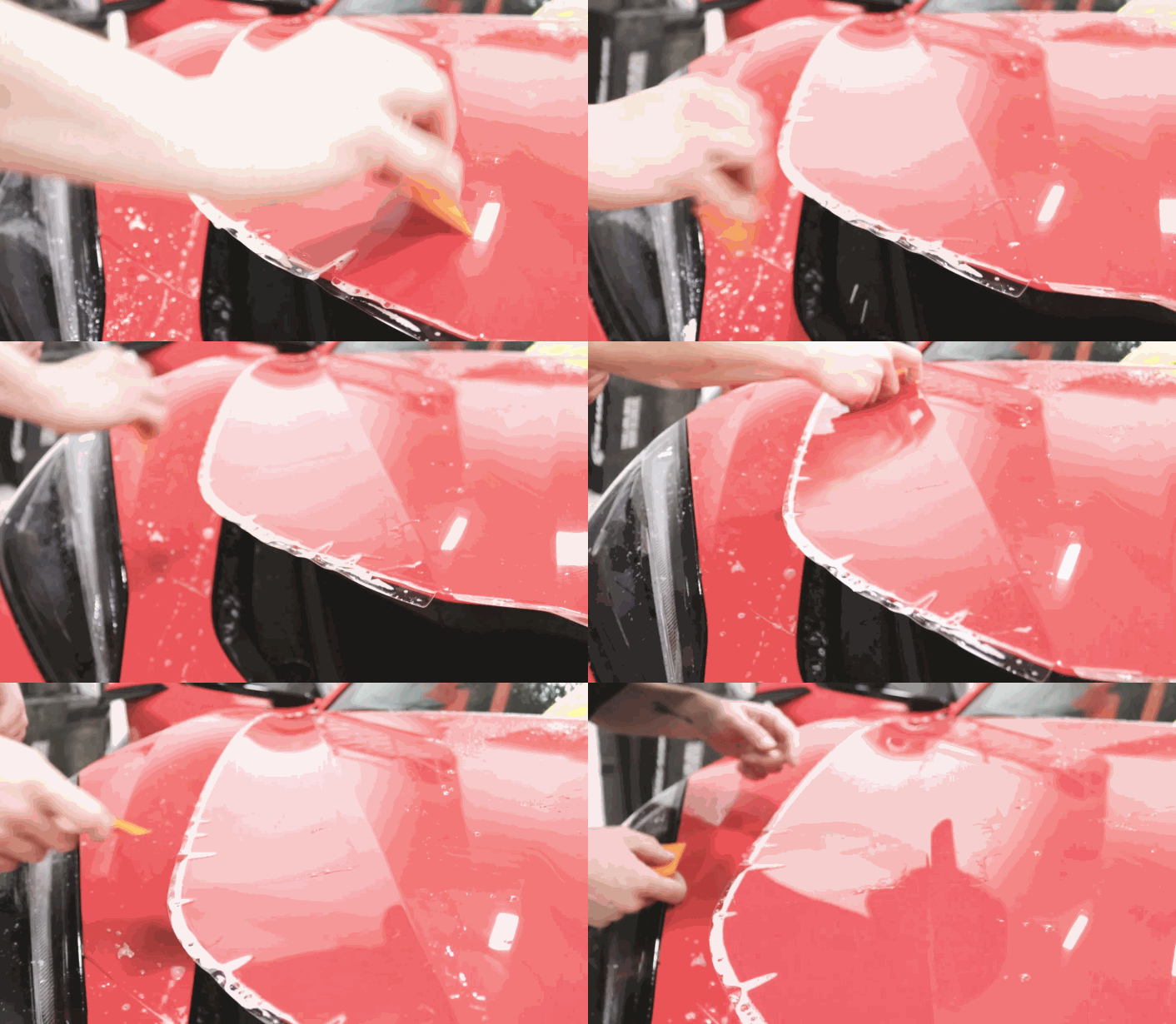
Drivers often ask how PPF compares to other products they’ve heard about, especially ceramic coatings, waxes, and sealants. The simplest way to explain it is this: Paint Protection Film adds a physical layer between your vehicle and the environment. Ceramic coating, on the other hand, enhances shine and makes cleaning easier, but it doesn’t absorb impacts the way PPF does.
Sealants and waxes can offer temporary benefits, but neither creates the long-term resistance needed to handle repeated salt exposure or sanded roads. They wear off quickly in harsh weather, especially after a few visits to touchless washes during peak winter months. Temporary wraps offer mild protection, but they don’t deliver the impact resistance or durability needed for slush-heavy commutes.
In salt-heavy regions like Massachusetts, the protection hierarchy becomes pretty clear:
- PPF provides the strongest physical defense against chips, scratches, and salt.
- Ceramic coating helps maintain gloss and makes winter detailing easier.
- Sealants and waxes work best as short-term boosters, not core protection.
Used together, PPF and ceramic coating create a long-term protection system that holds up extremely well through Malden’s winters, but if the goal is real defense against chips and corrosive buildup, PPF is the option that consistently performs the best.
Where PPF Protects Your Car the Most During Massachusetts Winters
When we talk with Malden drivers about where Paint Protection Film matters the most, we always start with the high-impact areas. These are the parts of your vehicle that take the biggest beating during winter, especially once the salt trucks and plows are out. Front-end protection is crucial because your bumper, hood, and fenders are constantly exposed to flying debris on I-93 or Route 60. Whether it’s loose gravel, slush mixed with sand, or frozen chunks falling from larger vehicles, these zones get hit nonstop throughout the season.
Side mirrors and rocker panels also need attention. Anyone who has driven through Malden’s narrow streets during winter knows how easily snowbanks, slush piles, and road grit get thrown up into the sides of your vehicle. Rocker panel protection goes a long way toward preventing the sandpaper-like abrasion that shows up by February if those areas are left unprotected.
Key High-Impact Areas
- Front bumper
- Hood and fenders
- Side mirrors
- Rocker panels
- Lower doors and rear splash zones
These are the areas where PPF makes winter driving noticeably easier on your vehicle.
Everyday Situations in Malden Where PPF Makes a Real Difference
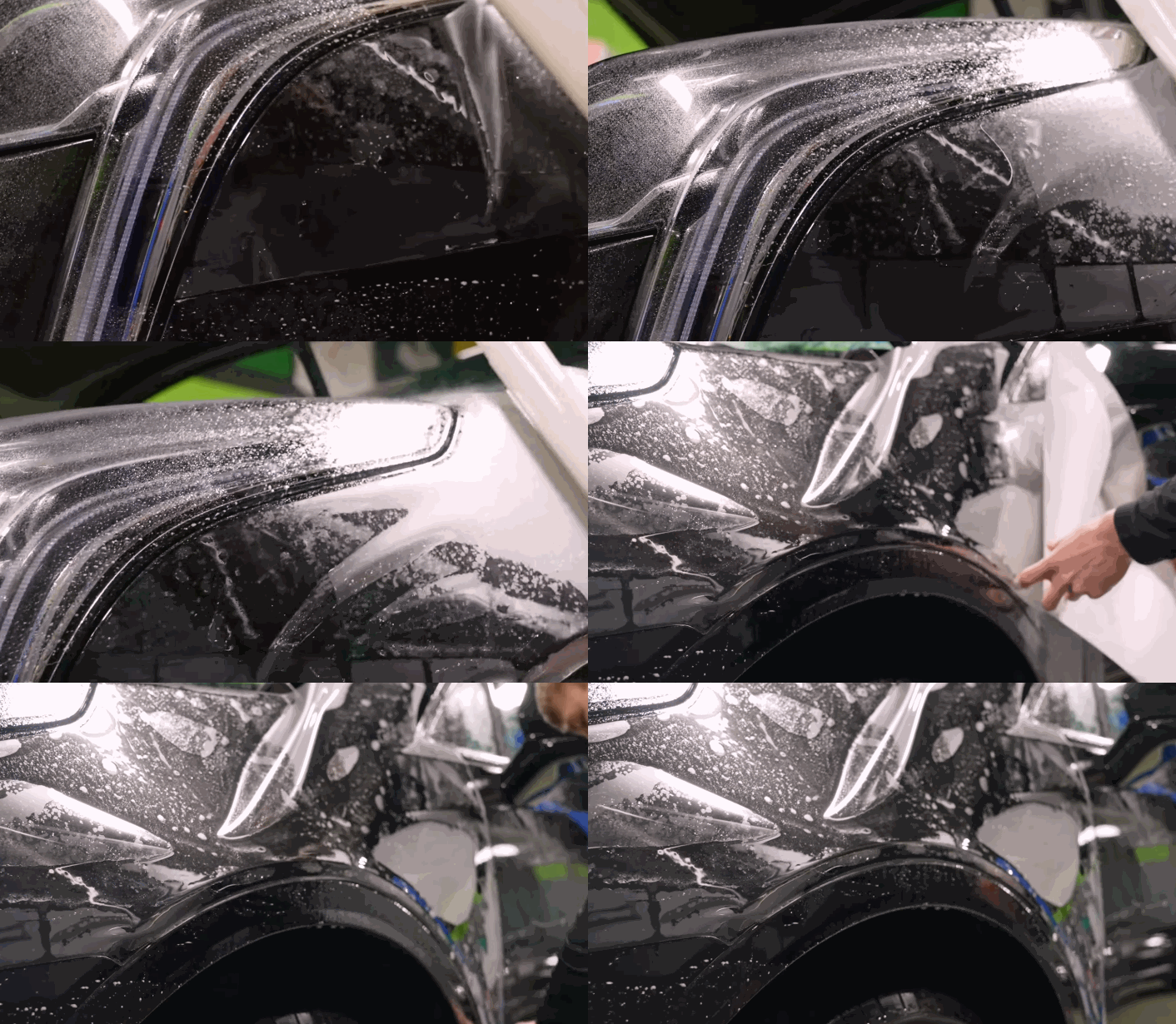
We see the same patterns every winter here in Malden. Certain situations put your car at risk again and again, and Paint Protection Film helps minimize the damage that typically comes with daily driving. While the real-life scenarios will come later in the final draft, the foundation starts with the realities of winter commuting and city movement.
Between early-morning drives to the office, parking near slush-packed curbs, squeezing through tight neighborhood streets after a storm, or following salt trucks on the Fellsway, your vehicle faces constant exposure to road hazard protection challenges. Winter commuting around Malden can be unpredictable, and daily driving protection becomes essential when the snowstorms come back-to-back.
Pelicar Window Tinting sees these patterns up close every winter, and it’s part of why we consider PPF a smart long-term decision for most local drivers.
Common Malden Situations to Highlight Later
- Commuting on salted main roads
- Parking near snowbanks
- Navigating narrow, icy side streets
- Driving behind plows and salt trucks
Post-storm cleanups with loose gravel and debris
How Long Does PPF Last in New England Weather?
One of the questions we hear most often at Pelicar Window Tinting is how long Paint Protection Film actually lasts, especially with the kind of weather swings we get in Massachusetts. Under normal conditions, you can expect a high-quality film to last anywhere from 5 to 10 years. The exact lifespan depends on factors like driving habits, storage, and how consistently the vehicle is washed during the winter.
New England weather plays a big role in durability over time. Freeze–thaw cycles, heavy salting, and winter storms put extra stress on exposed surfaces. The good news is that when the film is cared for, through regular washing and simple upkeep, its film longevity remains strong year after year. Good PPF maintenance can make the difference between a film that performs well for a decade and one that wears out sooner.
Pelicar Window Tinting installs films designed to handle these local conditions, meaning durability over time is built into the process from the start.
What Influences PPF Longevity
- Frequency of winter driving
- Exposure to salt and slush
- How often the vehicle is cleaned
- Whether the car is garaged during storm cycles
- Overall PPF maintenance habits
Conclusion: Why Paint Protection Film Is One of the Smartest Winter Decisions for Malden Drivers
After spending years helping local drivers protect their vehicles, we’ve seen exactly how valuable PPF becomes once winter settles in. Between the heavy salting, slush buildup, and constant freeze–thaw cycles across Malden, even the most careful driver ends up battling paint damage by mid-season. Paint Protection Film adds a dependable shield that keeps your vehicle looking newer, longer, no matter what the weather throws your way.
Our goal is always to guide drivers toward practical, long-term solutions, not push unnecessary upgrades. If you’re curious about how PPF installation can help protect your own vehicle, or if you’d like to see examples of how it performs through a full New England winter, we’re always here to talk through your options. Feel free to reach out to Pelicar Window Tinting anytime for friendly, expert guidance on keeping your car protected all season long.
4.7 STARS 773 Google reviews
Window tinting service in Malden, Massachusetts