Buying or leasing a new vehicle in Malden often comes with a mix of excitement and realism. Whether the car is fresh off the lot or just a few days old, most owners quickly realize that keeping it looking new is harder than expected in this part of Massachusetts. Daily driving here is not gentle on paint, especially when your routine includes Route 1 traffic, quick hops along Route 60, or cutting across Route 16 on the way toward Boston.
From our own experience, these roads expose vehicles to constant variables. Tight traffic flow, frequent braking, construction debris, and unpredictable road conditions all add up fast. That is why we look at paint protection film not as a luxury upgrade, but as a practical ownership decision made early, when the paint is still untouched.
We use paint protection film on our own vehicles because we have seen how quickly unprotected paint changes. Chips appear sooner than most people expect, and once damage starts, it rarely stays isolated. Installing protection from the beginning helps preserve the vehicle’s appearance and avoids chasing paint correction later on.
What Paint Protection Film Actually Does for New Vehicles
Paint protection film is a transparent, durable protective layer designed to shield a vehicle’s painted surfaces from everyday damage. Once installed, it acts as a physical barrier between your car’s paint and the outside elements it encounters daily.
At a high level, paint protection film provides several key benefits:
- Absorbs small impacts from road debris before they reach the paint
- Resists light scratches caused by washing, dust, or incidental contact
- Features self-healing properties that allow minor marks to fade with heat
- Maintains the original finish without altering the look of the vehicle
Unlike waxes or sealants, which sit on top of the paint and gradually wear away, PPF is a true protective film. Ceramic coatings add gloss and chemical resistance, but they do not stop physical damage. A clear bra or vehicle paint protection film is designed specifically for impact defense, which is where most visible damage begins.
From hands-on experience, this difference matters. On our own cars, the areas protected by film consistently look newer than unprotected panels, even after years of regular driving. That real-world contrast is what makes paint protection film such a reliable long-term solution.
Why New Cars in Malden Are Especially Vulnerable to Paint Damage
Malden’s driving environment puts new vehicles at risk almost immediately. Construction zones are common, traffic density is high, and winter road maintenance introduces abrasive materials that linger long after the snow melts.
Several local factors contribute to early paint damage:
- Winter road treatments that spread salt and grit across city streets
- Debris kicked up by plows during and after storms
- Highway driving toward Boston that exposes the front end to constant impact
- Tight parking situations that increase the chance of incidental contact
Modern factory paint, while visually impressive, is thinner than many owners realize. It does not take much exposure before chips and scratches start forming, especially during the first year of ownership. Short trips, street parking, and frequent stops accelerate this process even further.
This is why early protection matters. Applying paint protection film before damage occurs preserves the original finish instead of trying to correct it later. Waiting often means protecting paint that is already compromised, which limits the long-term benefit.
High-Impact Areas That Benefit Most from Paint Protection Film
Not every part of a vehicle faces the same level of exposure. Through years of PPF installation and personal use, certain areas consistently show wear first, especially for drivers in Malden and surrounding North Shore communities.
The most commonly protected areas include:
- Front bumper and lower air intakes
- Leading edge of the hood
- Front fenders and mirrors
- Rocker panels along the lower sides
- Headlights and fog lights
These zones take the brunt of road debris, salt spray, and airborne grit from daily commuting. Even cautious drivers see damage here simply because of traffic flow and highway speeds.
Coverage does not have to be all or nothing. Partial protection focuses on the highest-impact zones, while extended coverage offers broader peace of mind. The right approach depends on how and where the vehicle is driven, not on preset packages or pricing tiers.
A proper PPF installation ensures the film is aligned, wrapped where appropriate, and positioned to protect these vulnerable areas effectively. At Pelicar Window Tinting, our familiarity with local driving patterns helps us identify which areas typically need protection first, based on real-world wear we see every day.
Why Proper PPF Installation Matters as Much as the Film Itself
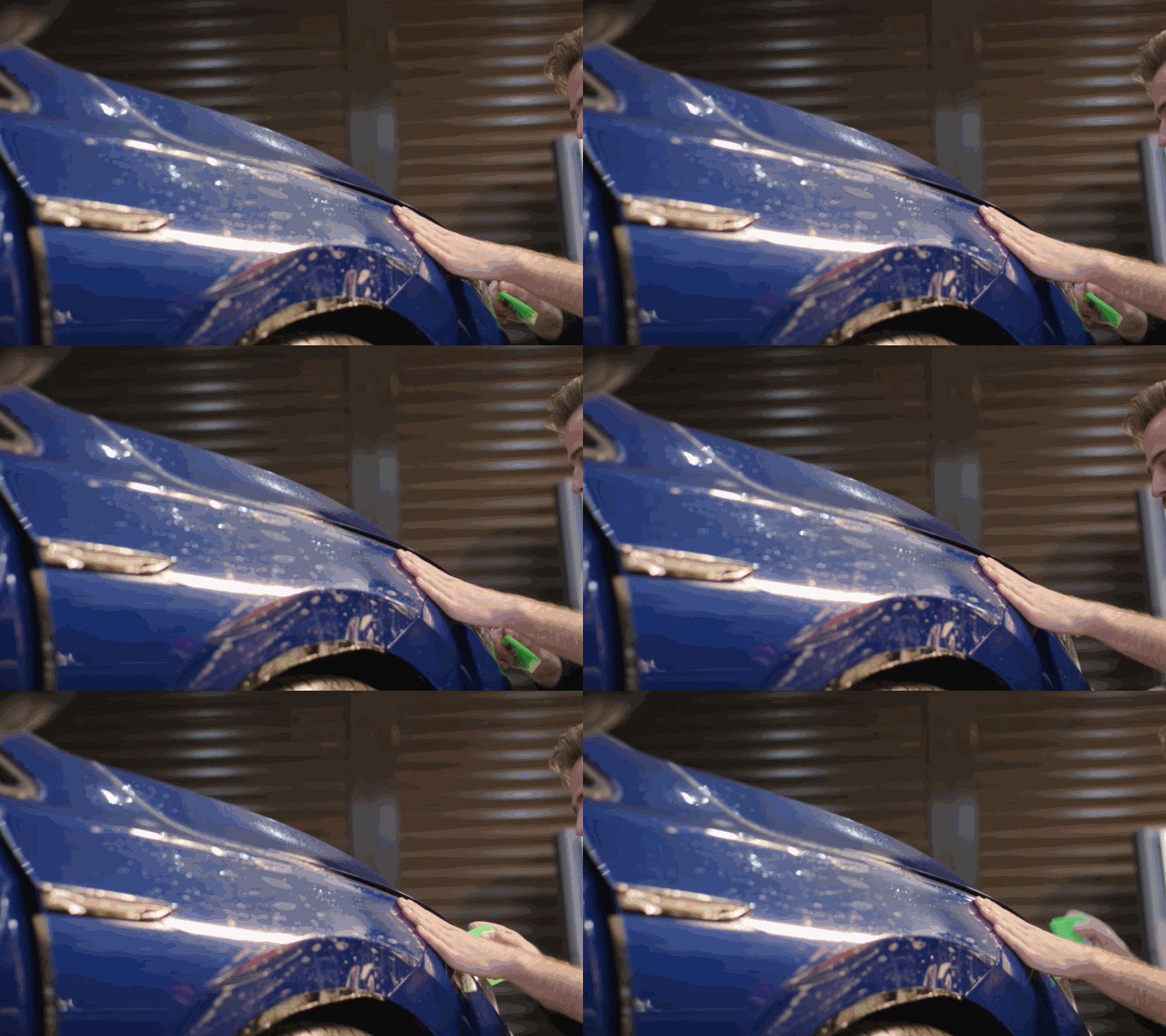
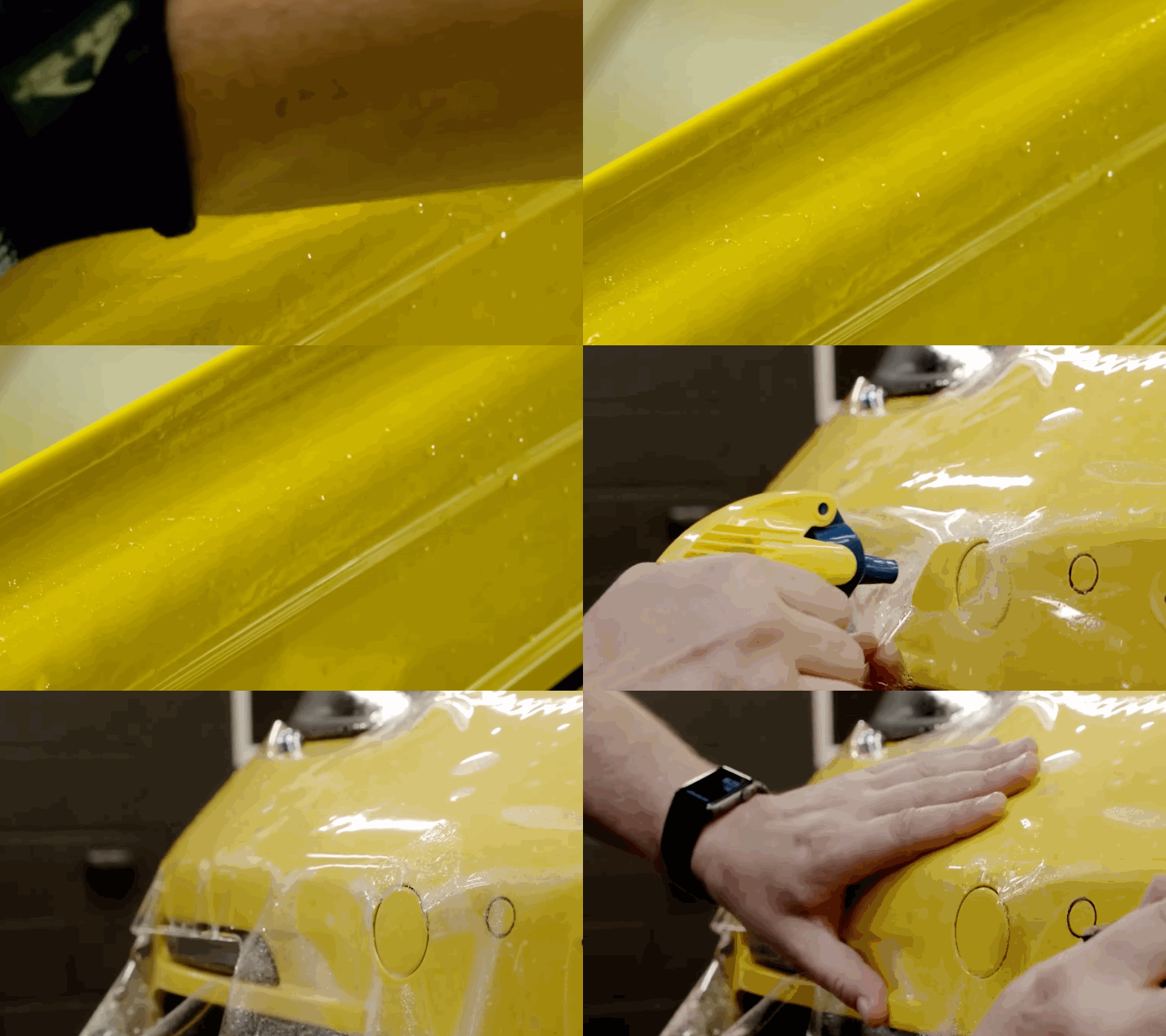
Paint protection film is only as effective as the way it is installed. From years of hands-on work and maintaining PPF on our own vehicles, we have seen how professional PPF installation directly affects durability, visual clarity, and long-term performance. A well-installed film should look seamless, stay securely in place, and continue protecting the paint year after year.
Proper installation starts long before the film ever touches the vehicle. Surface preparation is critical, which often includes decontamination and, in some cases, light paint correction to ensure the film bonds evenly. Alignment and edge wrapping also play a major role. When edges are properly finished and the film is laid with precision, it resists lifting and contamination far better over time.
Poor installation does not always fail immediately, but issues tend to surface later. Misaligned film, exposed edges, or trapped debris can reduce longevity and visual appeal. These problems are not caused by the material itself, but by technique. That is why results depend far more on installer skill than on the brand of film being used. At Pelicar Window Tinting, our experience with Malden-area driving conditions informs how we approach PPF installation for long-term reliability, not short-term appearance.
Poor installation does not always fail immediately, but issues tend to surface later. Misaligned film, exposed edges, or trapped debris can reduce longevity and visual appeal. These problems are not caused by the material itself, but by technique. That is why results depend far more on installer skill than on the brand of film being used. At Pelicar Window Tinting, our experience with Malden-area driving conditions informs how we approach PPF installation for long-term reliability, not short-term appearance.
Long-Term Ownership Value of Paint Protection Film
One of the most overlooked benefits of paint protection film is how it supports ownership value over time. Vehicles protected early maintain a more consistent appearance, which becomes increasingly noticeable as years pass. Paint that stays intact simply ages better.
In practical terms, paint condition affects several ownership milestones:
- Resale value when selling privately or trading in
- Lease return inspections that penalize visible damage
- Overall satisfaction when the vehicle still looks well cared for
In Northeast climates, damage accumulates faster than many owners expect. Road salt, grit, and seasonal debris gradually wear away unprotected paint. Without protection, this often leads to touch-ups or repainting panels, which rarely match the original finish perfectly. With PPF in place, the film absorbs that wear instead. When it eventually reaches the end of its service life, the film can be replaced, leaving the original paint underneath in far better condition.
From personal experience, vehicles protected with paint protection film simply require fewer compromises over time. They hold their appearance longer and reduce the stress of everyday driving.
Common Misconceptions About Paint Protection Film
Despite being widely used, paint protection film is still misunderstood. Many concerns come from outdated information or early-generation products that no longer reflect what modern films offer today.
Some common misconceptions include:
- The film will be highly visible on the paint
- It will yellow or discolor quickly
- It requires excessive maintenance
- It only lasts a short time
Modern paint protection film is engineered to be optically clear and designed to resist yellowing, even with regular sun exposure. Maintenance is straightforward and similar to caring for painted surfaces. While no protective solution is permanent, today’s films are built to perform reliably for years when properly installed and maintained.
We spend a lot of time educating local drivers because these misunderstandings often prevent people from protecting their vehicles early. Our real-world installation experience at Pelicar Window Tinting helps set realistic expectations and clarify what drivers can genuinely expect from PPF.
Choosing a Local PPF Specialist in Malden, MA
Where you install paint protection film matters just as much as how. Local experience plays a significant role in achieving consistent results, especially in an area like Malden where weather patterns, traffic density, and commuting habits all influence vehicle wear.
A local specialist understands:
- How winter road treatments affect exposed panels
- Which routes generate the most impact damage
- How seasonal temperature swings influence installation timing
Beyond technical skill, communication and inspection standards matter. A knowledgeable installer sets realistic expectations, explains coverage decisions clearly, and evaluates the vehicle carefully before installation. Pelicar Window Tinting serves as a local resource for Malden drivers by focusing on informed guidance rather than generic recommendations.
Conclusion: Protecting Your New Car from Day One
Protecting a new vehicle early makes a noticeable difference in how it looks and holds value over time, especially in Malden’s demanding driving environment. Paint protection film offers a practical solution that addresses the realities of daily commuting, seasonal exposure, and long-term ownership.
When installed correctly, PPF performs exactly as intended, absorbing damage before it reaches the paint and preserving the factory finish. Choosing proper PPF installation from the start ensures the protection works in real-world conditions, not just in theory.
If you are considering protecting your new vehicle from day one, reaching out for expert guidance can help you make the right decision with confidence.
4.7 STARS 773 Google reviews
Window tinting service in Malden, Massachusetts