A lot of drivers assume that if a vehicle has window tint, it must automatically reduce heat. It’s a common belief, and on the surface, it makes sense. The glass looks darker, the interior looks more protected, so it must be blocking the sun. But the reality is more nuanced than that.
Not all window tint performs the same way when it comes to heat reduction. Some films are primarily designed for appearance, while others are engineered specifically for solar control and thermal performance. As part of our window tinting services here in Malden, MA, we spend a lot of time explaining that heat rejection depends on the type of film, its composition, and how it’s installed, not just how dark it looks.
In this article, we’re going to break down how window tint actually works, what heat rejection really means, and why certain films outperform others. If you drive around Malden or commute through the Greater Boston area, you already know how strong the sun can feel through untreated glass, especially during peak summer months. Understanding the difference between basic tint and high-performance window tint can make a noticeable difference in daily comfort.
Understanding What Heat Rejection Actually Means
When we talk about heat rejection in window tint, we’re referring to how well the film reduces the amount of solar energy entering the vehicle. Sunlight carries different types of energy, including visible light, ultraviolet rays, and infrared heat. A quality window tint is designed to manage these components in different ways.
Infrared heat is what you actually feel on your skin when sunlight hits the glass. Total Solar Energy Rejection, often abbreviated as TSER, measures how much of that combined solar energy is blocked or reflected away. This is where the science behind window tint becomes important, because blocking light and rejecting heat are not the same thing.
Here’s how the key elements break down:
- Visible light transmission determines how dark the film appears
- UV protection helps protect skin and interior materials from long-term damage
- Infrared rejection plays a major role in heat reduction inside the cabin
- Solar control technology affects overall temperature balance
- Total solar energy rejection combines multiple performance factors
A film can be dark but still allow significant infrared heat to pass through. That’s why understanding performance specifications matters. True heat rejection is about how the film manages energy, not just how it changes the look of the glass.
Do All Window Tints Reject Heat the Same Way?
The short answer is no. Different types of window tint offer very different levels of heat rejection, even if they look similar from the outside. Basic dyed films, for example, are primarily designed to darken the glass and improve appearance. While they can reduce some glare, they don’t always provide strong infrared heat rejection.
Higher-performance films are built differently. Ceramic window tint, for example, uses advanced materials that are engineered to block infrared heat without relying on heavy darkness. This means you can achieve noticeable heat reduction while maintaining clarity and visibility.
It’s important to understand a few key differences:
- Dyed films focus more on appearance and light absorption
- Metalized films reflect heat but may interfere with signals in some cases
- Ceramic window tint targets infrared heat more effectively
- Darkness level does not automatically indicate heat rejection performance
We’ve seen plenty of vehicles come in with older or entry-level window tint that looks dark but still allows significant heat buildup. That’s where upgrading through professional window tinting services can make a measurable difference in cabin comfort.
Types of Window Tint and Their Performance Differences
When choosing window tint, performance characteristics should guide the decision, not just aesthetics. There are three common categories most drivers will encounter, and each has its own strengths and limitations.
Dyed window tint is often the most affordable option. It absorbs solar energy to reduce glare but offers limited advanced heat rejection. Metalized films incorporate tiny metallic particles to reflect heat, which improves performance but can sometimes affect electronic signals. Ceramic window tint, on the other hand, uses non-metallic, nano-ceramic technology designed for higher infrared rejection and better overall heat reduction.
From a performance standpoint, the differences typically show up in areas like:
- Heat rejection capability and infrared blocking
- Long-term color stability and fade resistance
- Clarity and optical quality
- Potential impact on phone, GPS, or radio signals
- Overall durability under daily driving conditions
Choosing the right film depends on how you use your vehicle and what level of performance you expect. A quality window tint should balance appearance, heat control, and long-term reliability.
Why Heat Rejection Matters for Malden Drivers
Driving in Malden and the surrounding Greater Boston area means dealing with a mix of urban traffic, highway commuting, and seasonal weather shifts. During warmer months, sunlight through untreated glass can quickly raise interior temperatures, especially when vehicles are parked or sitting in traffic.
Effective window tint helps regulate cabin conditions by reducing heat buildup and minimizing glare. This translates into a more comfortable driving experience and less strain on the vehicle’s climate control system. Over time, reducing solar exposure also supports the longevity of interior materials by limiting UV-related wear.
As part of our window tinting services, we regularly work with drivers who want more than just a cosmetic upgrade. They’re looking for practical heat reduction that improves daily comfort.
In a place like Malden, where vehicles are exposed to varying sun angles throughout the year, selecting the right window tint can have a noticeable impact on long-term vehicle care and driving comfort.
What to Look for in Professional Window Tinting Services
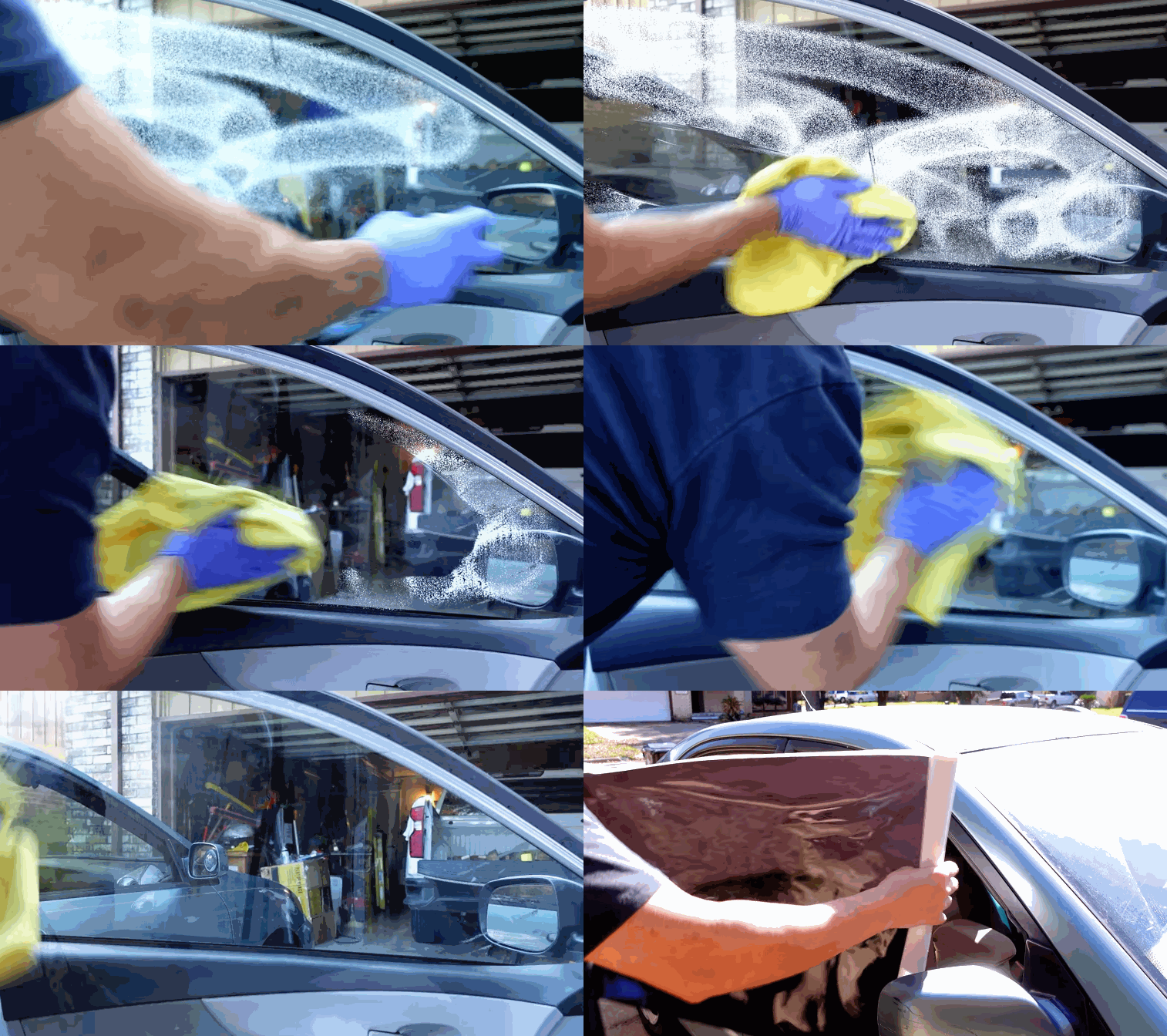
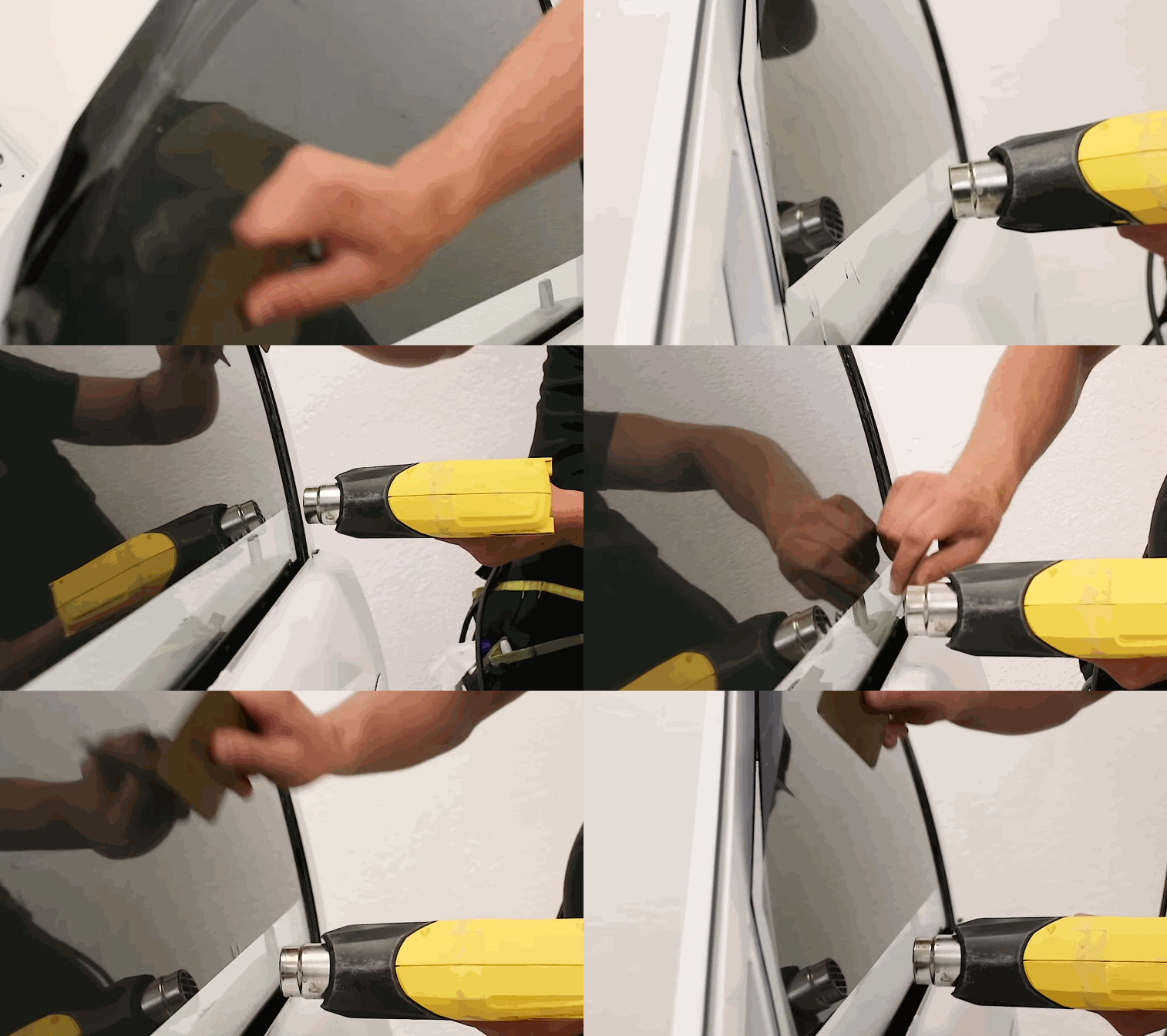
Choosing the right film is only part of the equation. The quality of the installation plays a major role in how well your window tint performs over time. Even high-performance films can fall short if they’re not installed in the right conditions or with the proper technique. That’s why professional window tinting services are about much more than just applying film to glass.
A proper installation starts with preparation. The glass needs to be completely clean, free of contaminants, and inspected before any film is applied. From there, the environment matters just as much. Dust, temperature, and lighting all affect how the film adheres and how it looks once installed. These details are often overlooked, but they’re what separate a short-term result from a long-lasting one.
When evaluating window tinting services, there are a few key factors that consistently make a difference:
- Clean, controlled work environment to minimize contamination
- Precise cutting and fitting for a clean, edge-to-edge finish
- Use of quality films with verified performance ratings
- Experienced installers who understand different vehicle types
- Consistent process from preparation to final inspection
At Pelicar Window Tinting, we focus on these fundamentals because they directly impact clarity, durability, and overall performance. A properly installed window tint should look clean, perform consistently, and hold up over time without issues like peeling or distortion.
Common Misconceptions About Window Tint and Heat
There are a lot of assumptions around window tint, especially when it comes to heat rejection. One of the most common is that darker tint automatically means better performance. While darker films can reduce visible light, they don’t always block infrared heat effectively, which is what actually contributes to cabin temperature.
Another misconception is that all window tint provides the same level of protection. In reality, different films are built with different technologies, and not all of them are designed for heat reduction. Some are more focused on appearance or glare control, while others are engineered specifically for solar performance.
A few points that often come up when we talk with customers include:
- Darkness level does not equal heat rejection performance
- Not all films block infrared heat at the same level
- UV protection can be high even in lighter films
- Ceramic window tint is designed for better heat management
- Performance depends on both the film and the installation
Understanding these differences helps set realistic expectations. A well-selected window tint can significantly improve comfort, but it’s important to choose based on performance data, not just how the film looks on the glass.
Conclusion: Choosing the Right Window Tint for Heat Rejection
When you look at how window tint actually works, it becomes clear that not all films are created equal. Heat rejection depends on the technology behind the film, how it’s installed, and how it performs in real-world conditions. Simply choosing a darker tint isn’t enough to guarantee better comfort or temperature control.
The key is understanding the difference between basic films and high-performance options. Ceramic window tint, for example, is designed to manage infrared heat more effectively, while entry-level films may focus more on appearance. Pairing the right film with professional window tinting services ensures that the results are both functional and long-lasting.
At Pelicar Window Tinting, we focus on helping drivers in Malden, MA make informed decisions about their window tint. From selecting the right film to ensuring a clean, precise installation, the goal is to deliver a result that holds up over time. If you’re considering upgrading your window tint or exploring better heat rejection options, contact us today to learn more about our window tinting services and how we can help improve your driving experience.
4.7 STARS 773 Google reviews
Window tinting service in Malden, Massachusetts