If you drive regularly in Massachusetts, you’ve probably thought about getting window tint at some point, whether it’s for comfort, protection, or just a cleaner look. From long commutes into Boston to coastal drives near Cape Cod, managing heat, glare, and visibility becomes a real factor in your day-to-day experience behind the wheel. That’s where both window tint and windshield protection start to play an important role.
At the same time, one of the biggest points of confusion we see from drivers across the state is what’s actually legal when it comes to tinting the windshield. A lot of people assume that if side windows can be tinted, the same applies to the front, but Massachusetts has very specific rules that make things a bit more nuanced. This confusion often leads to failed inspections or the need to remove film entirely.
Local conditions only add to the conversation. In the summer, the sun can be intense, especially during stop-and-go traffic on I-93 or I-90. Near the coast, glare bouncing off the water becomes a real issue, and during winter, snow reflection can make visibility even more challenging. All of these factors are exactly why car window tint Massachusetts drivers consider isn’t just about aesthetics, it’s about daily comfort and safety.
In this guide, we’ll walk you through exactly what’s legal, what’s not, and how you can still achieve effective windshield protection without putting yourself at risk of fines or inspection issues.
What Does Massachusetts Law Say About Windshield Tint?
When it comes to legal window tint Massachusetts regulations, the windshield is where the rules are the strictest. Unlike side and rear windows, which allow for a certain level of tint depending on visible light transmission, the windshield is primarily required to remain clear for safety reasons.
Massachusetts windshield tint laws state that no tint is allowed on the main portion of the windshield. The only exception is a non-reflective tint strip along the top of the glass, often referred to as the sun visor band. This strip must stay above the manufacturer’s AS-1 line or within a limited number of inches from the top edge, depending on the vehicle.
To make things clearer, here’s how tint regulations MA typically apply to the windshield:
- The majority of the windshield must remain untinted at all times
- A non-reflective top strip is allowed above the AS-1 line
- Reflective or mirrored films are not permitted on the windshield
- Any tint that reduces visibility beyond legal limits can result in inspection failure
These rules are not just guidelines, they are actively enforced during Massachusetts state inspections. If your windshield tint doesn’t meet these standards, your vehicle can fail inspection immediately, requiring removal before you can legally drive again.
Understanding these windshield tint laws upfront helps avoid unnecessary costs and frustration, especially for drivers who are trying to improve comfort without realizing where the legal boundaries are.
Is Any Windshield Tint Allowed at All?
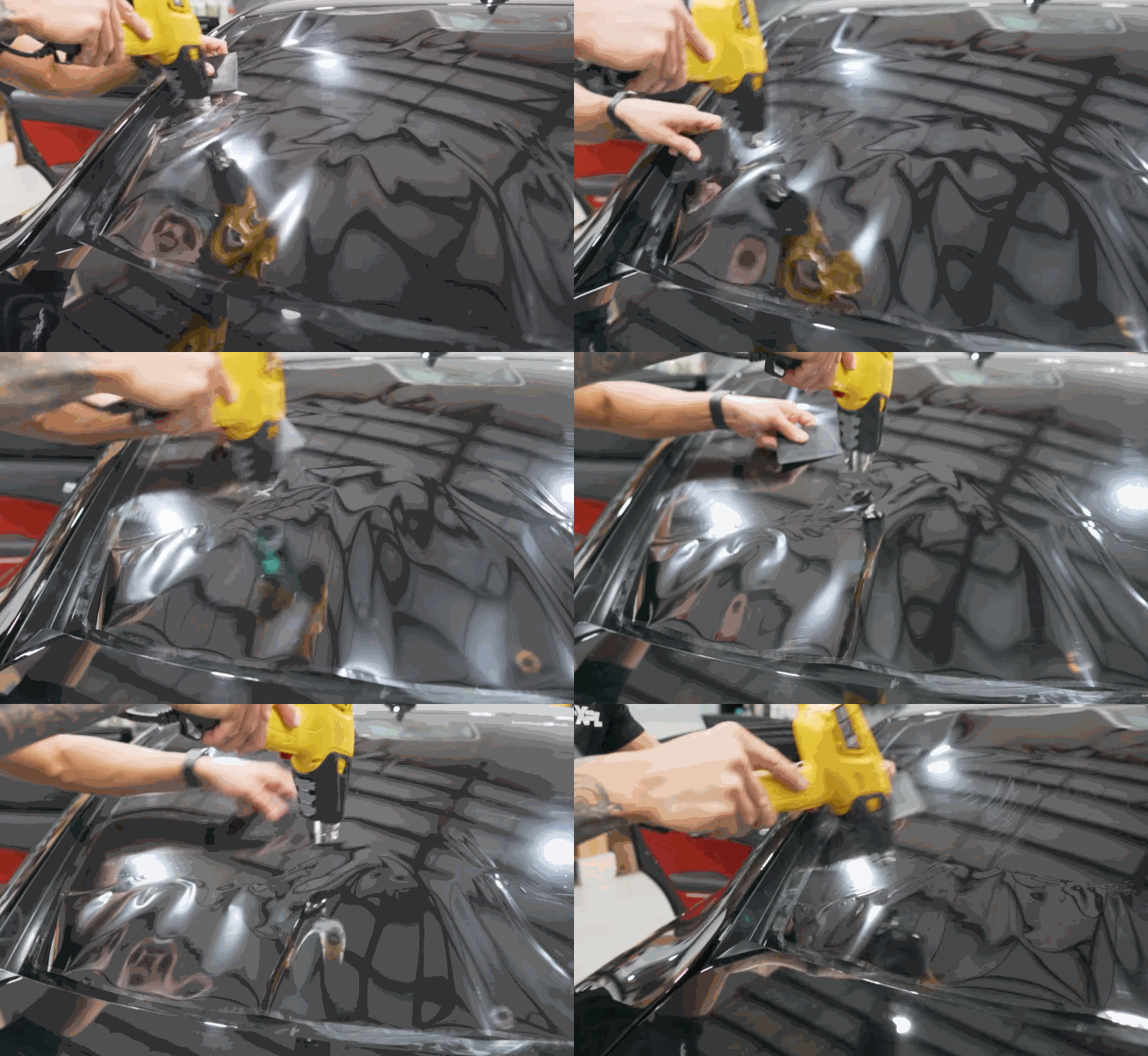
This is probably the most common question we hear, and the answer is yes, but only in a very limited way. Massachusetts does allow a small portion of the windshield to have tint, but it’s strictly regulated and designed not to interfere with driver visibility.
The only legal option is the top strip, which acts similarly to a built-in sun visor. This strip must stay within the AS-1 line marked on most windshields, or within a defined top section if the line isn’t visible. Anything beyond that, especially full windshield tint, falls outside front windshield tint rules and is considered illegal.
Here’s what is actually permitted:
- A non-reflective tint strip along the top of the windshield
- Placement limited to the AS-1 line or a few inches from the top
- Film must not distort visibility or create glare
- No tint allowed across the full windshield surface
The reason behind these restrictions comes down to safety. Visibility and window tint regulations are closely tied, especially in a state like Massachusetts where driving conditions can change quickly. Between heavy rain, fog, snowstorms, and early winter sunsets, even a slight reduction in visibility can make a difference.
From our experience, many drivers underestimate how much darker a windshield tint can feel at night or during bad weather. That’s why these laws exist, not just for compliance, but to ensure you can see clearly in every condition.
Why Massachusetts Drivers Still Look for Windshield Protection
Even with strict regulations in place, it’s completely understandable why so many drivers still look for ways to improve windshield protection. If you’ve ever sat in traffic on Route 1 during peak summer or driven eastbound with the sun hitting your windshield directly, you already know how intense the heat and glare can get.
Beyond comfort, there are also long-term considerations. Constant UV exposure can damage your interior over time, fading dashboards, cracking materials, and making your cabin feel significantly hotter. Add in reflective glare from coastal areas or even snow-covered roads in winter, and it becomes clear why drivers are actively looking for solutions.
Some of the main reasons drivers explore windshield protection include:
- Reducing interior heat buildup during hot Massachusetts summers
- Blocking harmful UV rays that damage interior surfaces
- Minimizing glare from sunlight, water, and snow reflection
- Improving overall driving comfort on highways like I-90 and I-95
At Pelicar, we see this every day. Drivers come in looking for ways to make their vehicles more comfortable without crossing legal limits.
That’s where modern solutions like windshield protection film and advanced UV blocking window film come into play. These options allow you to achieve real performance benefits, like heat rejection window tint effects, while staying fully compliant with Massachusetts laws.
Legal Alternatives to Full Windshield Tint
The good news is that you don’t need to break the law to get meaningful protection for your windshield. Over the years, newer technologies have made it possible to achieve many of the benefits of tint without actually darkening the glass.
One of the most effective solutions is clear windshield protection film. These films are designed to be nearly invisible, meaning they don’t alter the appearance of your windshield or reduce visible light transmission in a way that would violate regulations. At the same time, they still provide strong UV protection and help reduce heat inside the vehicle.
Here are some of the most popular legal alternatives:
- Clear windshield protection films that maintain full visibility
- UV protection film that blocks harmful rays without darkening the glass
- Heat rejection films designed to reduce interior temperature
- Non-reflective, compliant materials that pass Massachusetts inspections
From a practical standpoint, these solutions offer a balance between performance and legality. You still get improved comfort, better interior preservation, and reduced glare, without worrying about inspection issues or fines.
At Pelicar, we typically guide drivers toward these types of legal window film options because they align with both state regulations and real-world driving needs. It’s about getting the benefits people want from window tint, while making sure everything is done the right way from the start.
Why Professional Installation Matters in Massachusetts
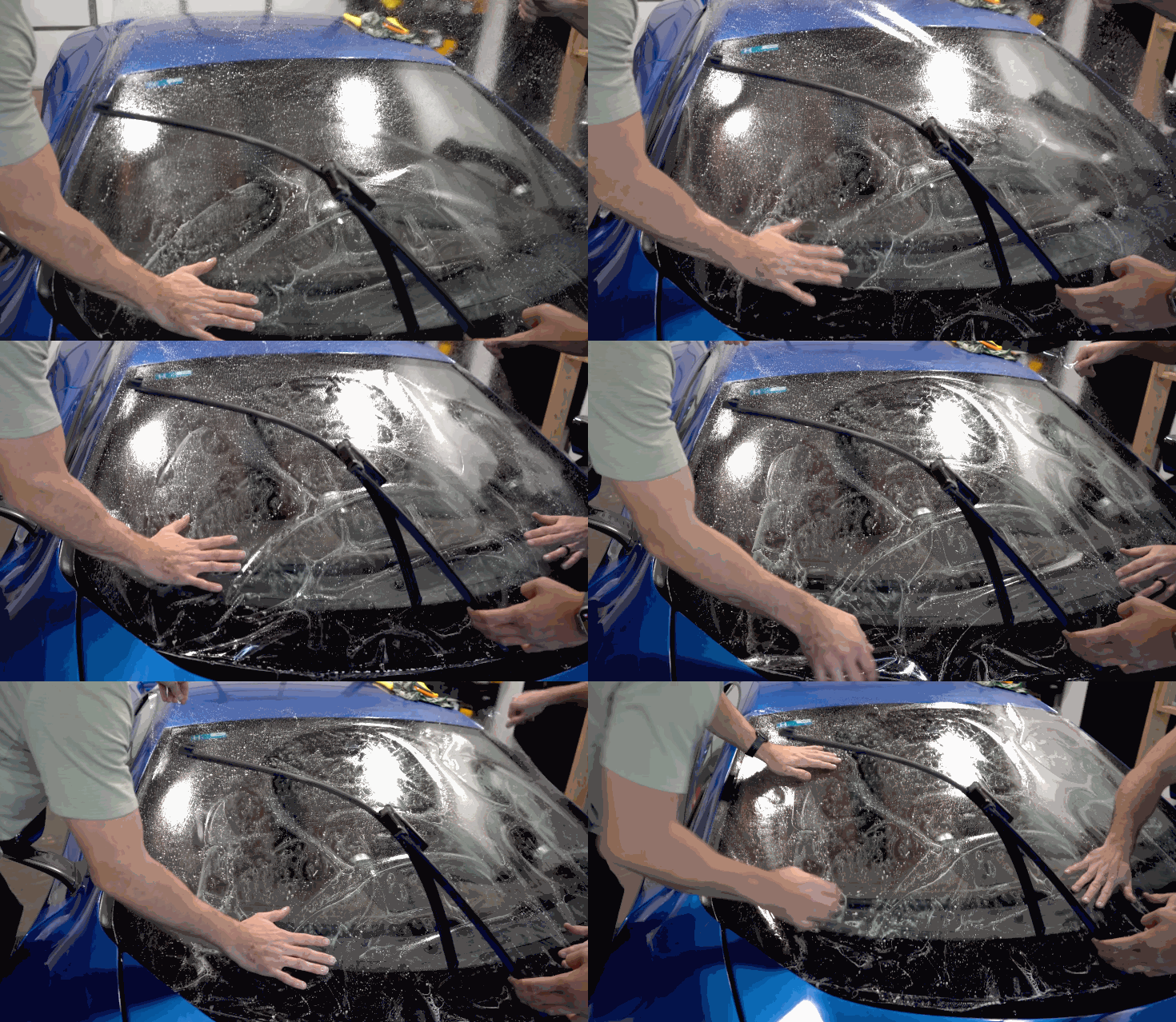
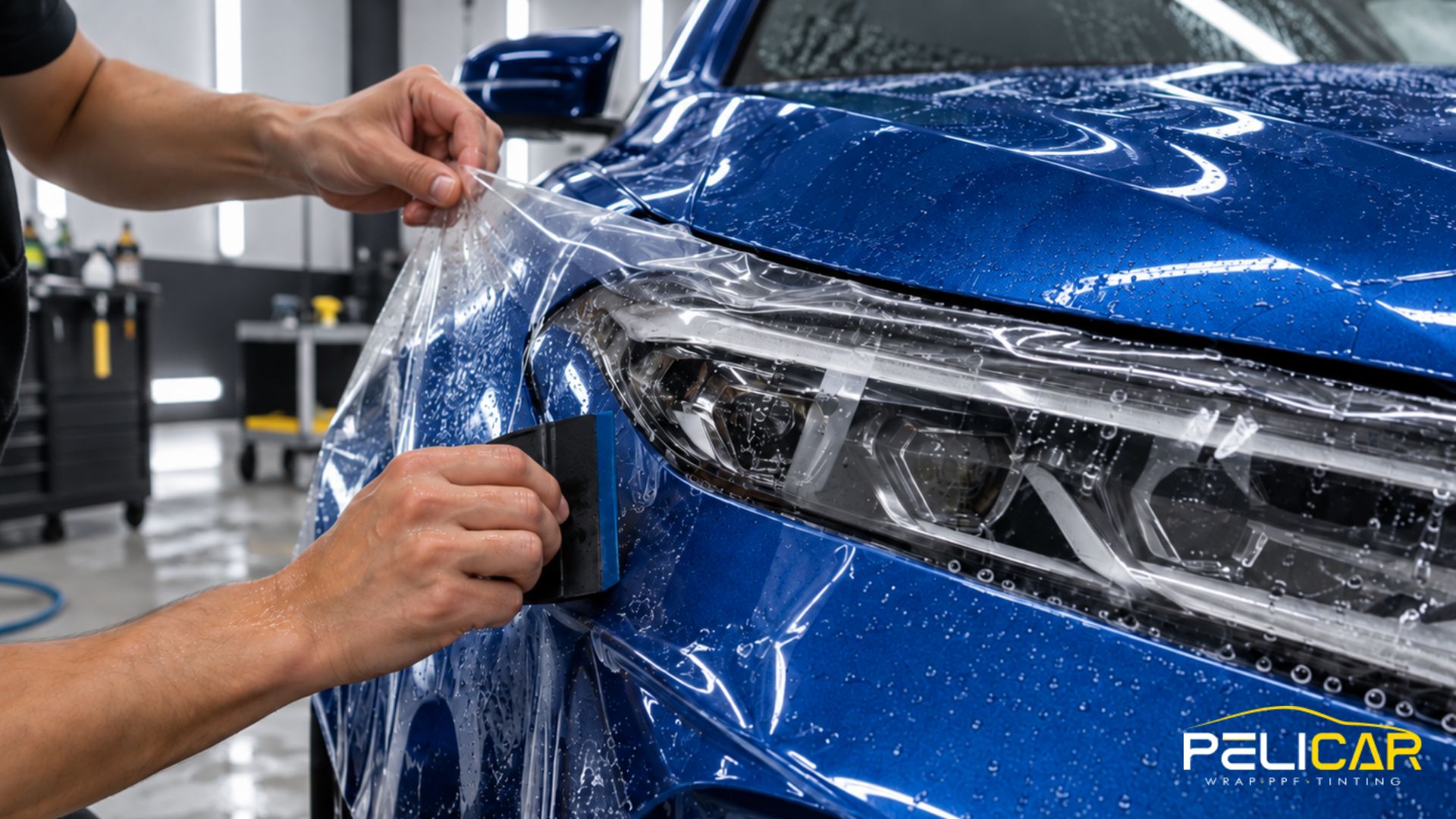
When it comes to windshield protection and window tint, how the film is installed is just as important as the material itself. In Massachusetts, where regulations are strict and inspections are consistent, even a small mistake in placement or film selection can mean the difference between passing or failing. Proper installation ensures that everything complies with legal standards while also delivering the performance you’re actually paying for.
Trying to handle tint on your own often leads to issues that go beyond appearance. We’ve seen cases where DIY jobs result in uneven edges, trapped dust, or films that extend beyond legal limits, especially near the windshield. That not only affects visibility but can also trigger immediate rejection during a state inspection. Poor installation can also create distortion, which becomes especially noticeable at night or in bad weather.
Here’s where working with professionals makes a clear difference:
- Correct film selection based on Massachusetts tint laws and vehicle type
- Precise placement that stays within legal boundaries, especially on the windshield
- Clean, controlled installation environments to avoid bubbles or imperfections
- Long-term durability without peeling, fading, or distortion
As car tint specialists Massachusetts drivers trust, we take all of these factors into account during every professional window tint installation. At Pelicar, we don’t just install film, we make sure it performs the way it should while keeping you fully compliant with local regulations.
How Window Tint Impacts Daily Driving in Massachusetts
Once you’ve experienced high-quality window tint, it’s hard to go back. In a state like Massachusetts, where driving conditions shift dramatically throughout the year, the difference in comfort and visibility becomes noticeable almost immediately. This isn’t just about looks, it directly affects how you experience the road every day.
During the summer months, especially when you’re stuck in traffic around Boston or heading through Cambridge during peak hours, the sun can turn your cabin into a heat trap. On the other hand, winter brings a completely different challenge. Snow-covered roads reflect sunlight directly into your windshield, creating intense glare that can make even short drives uncomfortable.
Some of the most noticeable automotive window tint benefits in Massachusetts include:
- Glare reduction window tint helping with visibility during sunrise and sunset
- Lower interior temperatures during long summer commutes
- Reduced eye strain when driving through reflective coastal or snowy areas
- Improved overall driving comfort on highways and city streets alike
From daily commutes on I-93 to weekend drives through surrounding suburbs, the impact is real. Window tint becomes less of a luxury and more of a practical upgrade that helps you stay focused and comfortable behind the wheel, no matter the season.
Conclusion: Stay Legal While Protecting Your Vehicle
At the end of the day, the goal is to improve your driving experience without putting yourself at risk of fines, failed inspections, or safety issues. Massachusetts has clear rules when it comes to windshield tint, and understanding those boundaries is the first step toward making the right decision. While full windshield tint isn’t allowed, there are still effective ways to achieve real windshield protection and enjoy the benefits of window tint without crossing legal lines.
Choosing compliant solutions, like clear films and properly installed materials, allows you to reduce heat, block UV rays, and improve comfort while staying within the law. It’s about finding that balance between performance and legality, especially in a state with such varied driving conditions throughout the year.
If you’re unsure about what’s allowed or want to explore the best options for your vehicle, we’re here to help. At Pelicar, we guide you through the process, recommend the right solutions, and handle installation with precision. Reach out to our team today and let’s get your vehicle set up the right way, with results you’ll notice every time you get behind the wheel.
4.7 STARS 773 Google reviews
Window tinting service in Malden, Massachusetts